
When purchasing activated carbon, many buyers look first at the iodine number. There is also a common saying in the market: “The higher the iodine number, the better the activated carbon.”
But is that really true?
This article systematically explains the meaning of iodine number, its testing principle, industry standards, and common misconceptions, helping you truly understand its significance in practical applications.
What Is the Iodine Number?
The iodine number is one of the key indicators used to measure the adsorption capacity of activated carbon. It represents the milligrams of iodine adsorbed per gram of activated carbon (mg/g) under specified conditions.
In simple terms, the iodine number reflects the adsorption capacity of activated carbon for small molecules.
Since iodine molecules are relatively small, the iodine number mainly represents the development of micropores in activated carbon and is often used as an indirect indicator of specific surface area.
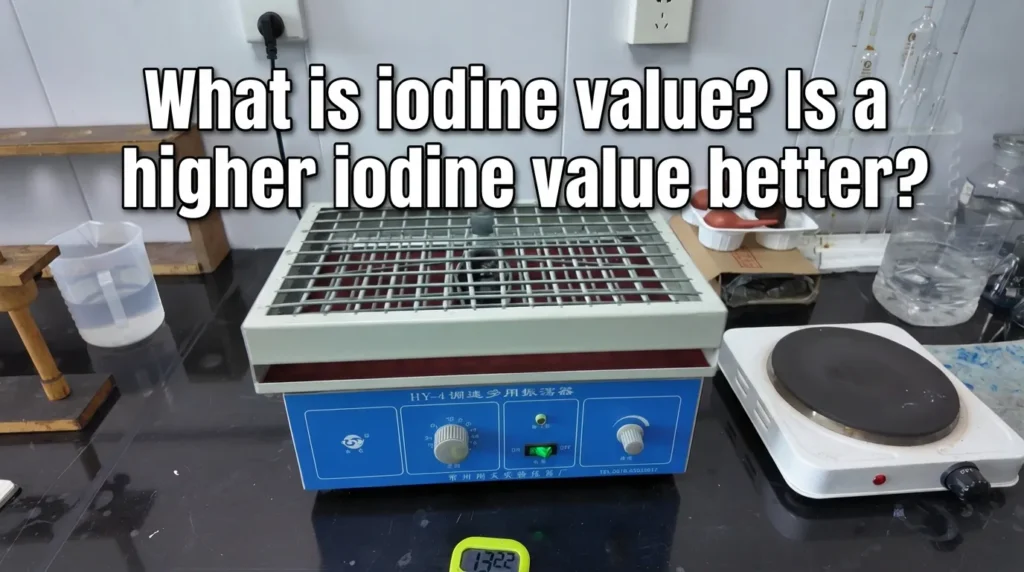
Testing Principle of the Iodine Number
The iodine number is typically tested according to ASTM or GB standards:
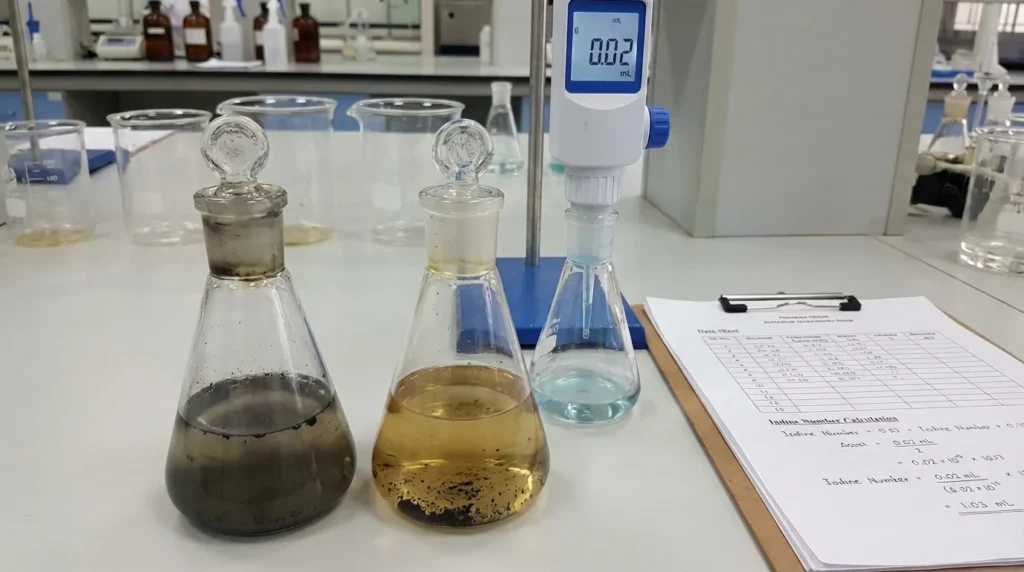
- The activated carbon sample is brought into contact with a standard iodine solution
- After adsorption equilibrium is reached, titration analysis is performed
- The amount of iodine adsorbed per gram of carbon is calculated
Unit: mg/g
For example:
- 800 mg/g
- 900 mg/g
- 1000 mg/g
- 1100 mg/g
The higher the value, the more developed the microporous structure.
Contact me todayIs a Higher Iodine Number Always Better?
The answer is: Not necessarily.
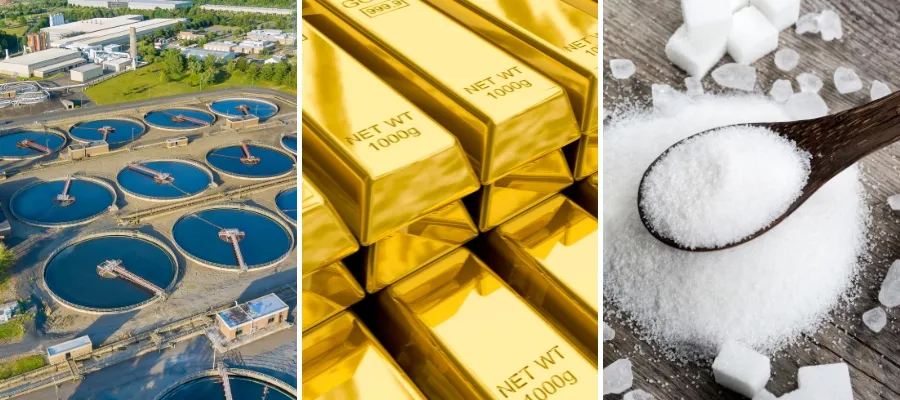
The iodine number is only one of many technical parameters. It mainly reflects the “microporous structure,” but different applications require different pore structures.
Water Treatment Field
For drinking water treatment, the typical iodine number range is:
- 800–1000 mg/g
An excessively high iodine number may indicate:
- Pore sizes that are too small
- Reduced effectiveness for adsorbing large organic molecules
Gold Recovery Industry
In CIP/CIL processes, in addition to the iodine number, it is essential to consider:
- CTC value
- Hardness
- Ash content
- Abrasion resistance
If the iodine number is high but hardness is low, the carbon may break down easily, increasing carbon loss.
Food Decolorization Industry
For example, in sugar decolorization:
- Mesoporous structure is more important
- Molasses number is more critical
Simply pursuing a high iodine number does not necessarily guarantee better decolorization performance.
Relationship Between Iodine Number and Specific Surface Area
Generally speaking:
- Iodine number 800 mg/g ≈ specific surface area 800–900 m²/g
- Iodine number 1000 mg/g ≈ specific surface area around 1000 m²/g
However, the two are not exactly the same concept.
The iodine number mainly reflects micropores, while specific surface area includes:
- Micropores
- Mesopores
- Macropores
Common Misconceptions Explained
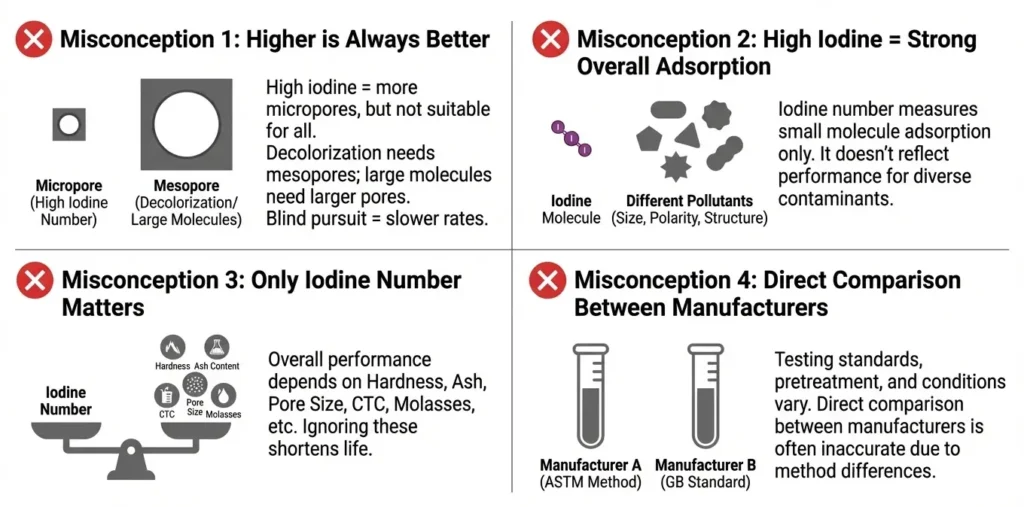
In real-world marketing and procurement, the iodine number is often treated as the core indicator of activated carbon quality. However, due to incomplete understanding, many customers fall into common misconceptions.
❌ Misconception 1: The Higher the Iodine Number, the Better the Activated Carbon
A higher iodine number indicates more developed micropores, but it does not mean suitability for all industries.
For example:
- Decolorization processes rely more on mesopores
- Adsorption of large organic molecules requires larger pore sizes
Blindly pursuing a high iodine number may result in slower adsorption rates or mismatched performance.
❌ Misconception 2: A High Iodine Number Means Overall Stronger Adsorption
The iodine number mainly measures adsorption capacity for small iodine molecules. It cannot fully reflect performance toward contaminants of varying molecular sizes.
Different pollutants have:
- Different molecular sizes
- Different polarity
- Different structures
Therefore, actual adsorption performance cannot be judged solely by the iodine number.
❌ Misconception 3: Only Looking at Iodine Number and Ignoring Other Key Indicators
The overall performance of activated carbon also includes:
- Hardness (mechanical strength)
- Ash content
- Pore size distribution
- CTC value (for gas-phase applications)
- Molasses number (for decolorization applications)
Focusing only on iodine number while ignoring mechanical strength or ash content may lead to increased carbon loss or shorter service life.
❌ Misconception 4: Iodine Numbers from Different Manufacturers Can Be Directly Compared
Iodine number testing involves:
- Sample pretreatment methods
- Testing standards (ASTM, GB, etc.)
- Experimental conditions
Differences in testing methods between manufacturers may result in deviations. When comparing products, it is important to confirm that the same testing standard has been used.
Contact me todayHow to Properly Understand the Iodine Number
The iodine number can serve as a preliminary screening indicator, but it should not be the sole determinant of product quality.
When selecting activated carbon, it is recommended to consider:
- Iodine number
- Pore size distribution
- Hardness
- Ash content
- Moisture content
- Specific application requirements
Professional selection is about matching the application, not simply pursuing the highest numerical value.
Conclusion
The iodine number is an important parameter for evaluating the adsorption capacity of activated carbon, but it is not the only standard. A higher iodine number does not necessarily mean better performance. The most suitable product is the best choice.
In practical procurement and application, selection should be based on a combination of relevant indicators according to industry requirements, rather than focusing solely on numerical values.
Contact us today to choose the highest-quality activated carbon for your industrial application.