
Odor control has always been a critical challenge across multiple industries including wastewater treatment, food processing, and chemical manufacturing.
Among various deodorization technologies, activated carbon stands out due to its exceptional adsorption performance. This article provides a detailed introduction to the application of activated carbon in odor control.
Principles of Odor Removal with Activated Carbon
Activated carbon removes odors primarily through physical adsorption and chemical adsorption:
Physical Adsorption Mechanism
Most odor compounds (formaldehyde, mercaptans, ammonia, and volatile organic compounds) are effectively captured through physical adsorption. This process occurs when:
- Odor molecules come into contact with the carbon surface
- Van der Waals forces create weak but numerous attraction points
- The vast internal surface area (500–1500 m²/g) provides countless adsorption sites
The microporous structure of activated carbon (pore size <2 nm) is particularly effective at capturing small odor molecules, while mesopores (2–50 nm) facilitate deeper transportation of these molecules into the carbon structure.
Chemical Adsorption Enhancement
For particularly challenging odor compounds such as hydrogen sulfide (H₂S) and ammonia:
- Impregnated carbons with chemical modifiers (potassium hydroxide, sodium bicarbonate, or metal oxides) catalyze reactions
- Odor compounds undergo chemical transformation into non-volatile forms
- This chemisorption process significantly enhances the removal efficiency for specific target compounds
This dual-mechanism approach allows activated carbon to handle complex mixtures of compounds typically responsible for industrial odors.
Contact me todayCommon Applications of Activated Carbon for Deodorization

Thanks to its excellent adsorption performance, activated carbon is widely used in odor control across various fields.
Municipal Wastewater Treatment
During municipal wastewater treatment processes, both sewage and sludge release large amounts of foul-smelling gases, mainly including:
- Hydrogen sulfide
- Ammonia
- Volatile organic compounds (VOCs)
Industrial Production Facilities
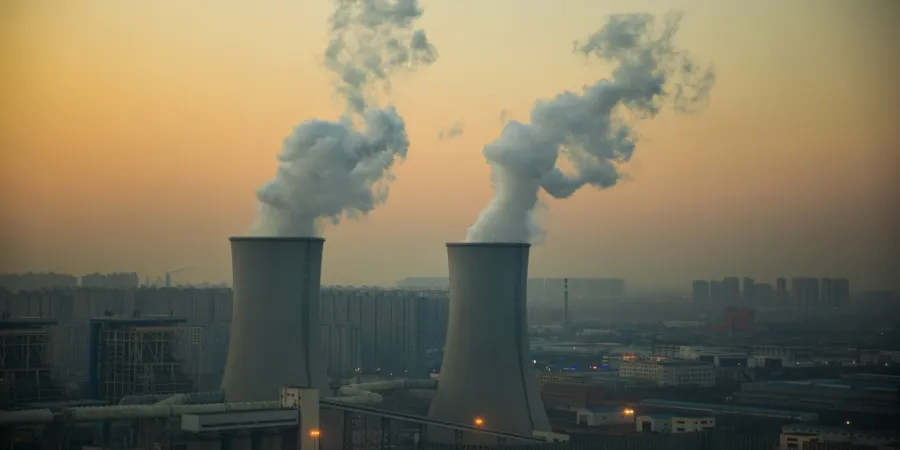
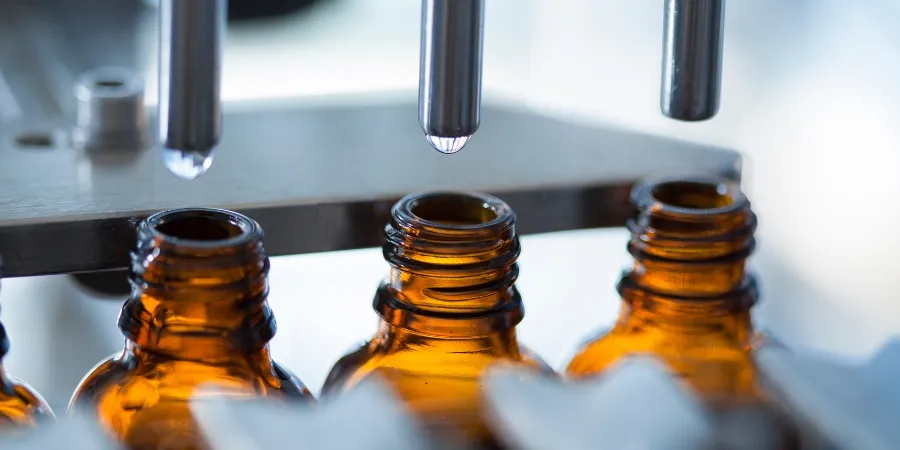
In industries such as chemicals, pharmaceuticals, food processing, and coating/painting, complex exhaust gases and odors are generated:
- Organic solvent odors (e.g., benzene compounds, ketones)
- Acidic or alkaline gases
- Process by-product gases
Commercial Spaces and Indoor Air
In places like shopping malls, office buildings, hotels, and hospitals, air quality directly impacts user experience and health:
- Formaldehyde and benzene compounds released from decoration materials
- Body odors and smoke in densely populated areas
- Odor accumulation from HVAC system circulation
Waste Treatment and Composting Systems
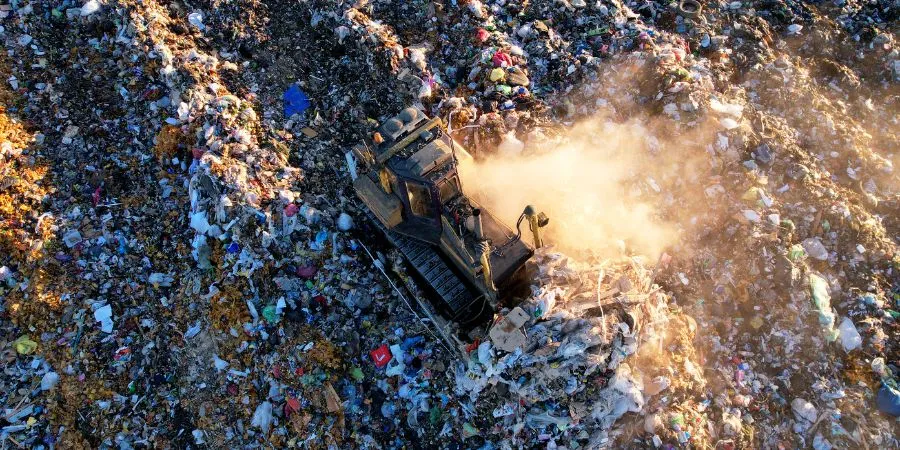
In waste transfer stations, landfills, and composting processes, strong and complex odors are produced:
- Sulfides generated from decomposition
- Organic decomposition gases
- Continuous emissions with fluctuating concentrations
Automotive and Transportation Environments
Vehicle interiors are relatively enclosed and composed of complex materials, making them prone to odor generation and accumulation:
- Formaldehyde and VOCs released from new car interiors
- Smoke and food odors
- Moldy smells from air conditioning systems
Household Environments
Odor control in home environments has become an increasing concern for consumers:
- Refrigerator odor mixing
- Shoe cabinet odors
- Musty smells in wardrobes
- Bathroom odors
- Pet-related odors
Key Performance Parameters
When selecting activated carbon for odor control, three critical parameters are particularly important:
- Iodine value: Measures micropore volume, closely related to the carbon’s ability to adsorb low-molecular-weight compounds. For effective odor control, iodine values of 900–1100 mg/g typically ensure sufficient microporosity.
- Hardness/abrasion resistance index: Crucial in high-airflow applications, this parameter ensures the carbon does not degrade during operation, which could cause airflow channeling or dust issues. Higher hardness numbers indicate superior mechanical strength and longer service life.
- Apparent density: Determines the adsorption capacity per unit volume. Denser activated carbon usually offers more efficient odor removal per cubic foot, optimizing system footprint.
Types of Activated Carbon for Deodorization
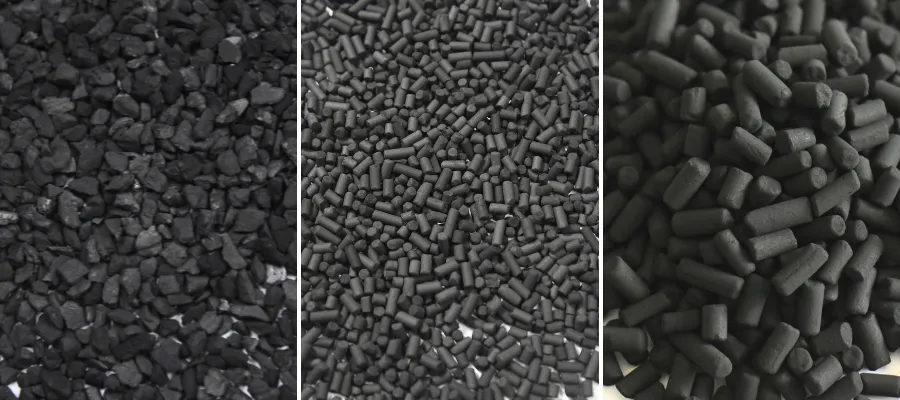
Choosing the right activated carbon is essential for effective odor control. TingyuanCarbon provides various types of activated carbon for deodorization:
Granular Activated Carbon
Granular activated carbon is the most common form for odor removal, featuring:
- Shape and size: Irregular particles, typically 8×30 or 12×40 mesh
- Pressure drop characteristics: Moderate, suitable for most ventilation systems
- Deodorization efficiency: Provides good surface contact area and adsorption kinetics
- Advantages: Cost-effective, flexible application, easy to load and replace
- Limitations: Potential for dust or channeling issues under high humidity or high flow rates
Pelletized Activated Carbon
Pelletized (cylindrical) activated carbon is made by mixing carbon powder with binders and extruding it into cylindrical pellets:
- Shape and size: Uniform cylinders, commonly 3mm or 4mm in diameter
- Pressure drop characteristics: Low pressure drop allows higher airflow rates
- Advantages: High structural integrity, reduced dust generation, more uniform airflow distribution
- Limitations: Slightly lower adsorption capacity per unit volume than equivalent granular carbon; higher initial cost
Impregnated Activated Carbon
Impregnated activated carbon is a high-performance variant specifically developed to tackle challenging odors. Chemical enhancers are added to standard activated carbon, significantly improving its ability to remove specific odor pollutants:
- Chemical reaction enhancement: Transforms the activated carbon from a physical adsorbent into a reactive medium
- Increased selectivity: Tailored for specific odor pollutants such as hydrogen sulfide and ammonia
- Extended capacity: Uses chemical conversion mechanisms to overcome physical adsorption limits
- Stable performance: Reduces the impact of environmental factors (e.g., humidity) on adsorption efficiency
Conclusion
Activated carbon, as a highly efficient adsorbent, excels in odor control applications. We offer various high-quality types of activated carbon specifically designed for odor removal.
Contact us today for free sample testing and customized solutions.