
Water quality management is the most critical challenge in aquarium maintenance. The accumulation of organic waste, drug residues, and harmful compounds can seriously threaten fish health. As an efficient adsorbent material, activated carbon selectively removes these pollutants and is an indispensable component in aquarium water treatment systems.
This article will detail the role of activated carbon in aquariums and help you choose suitable activated carbon products.
Common Sources of Pollutants in Aquariums
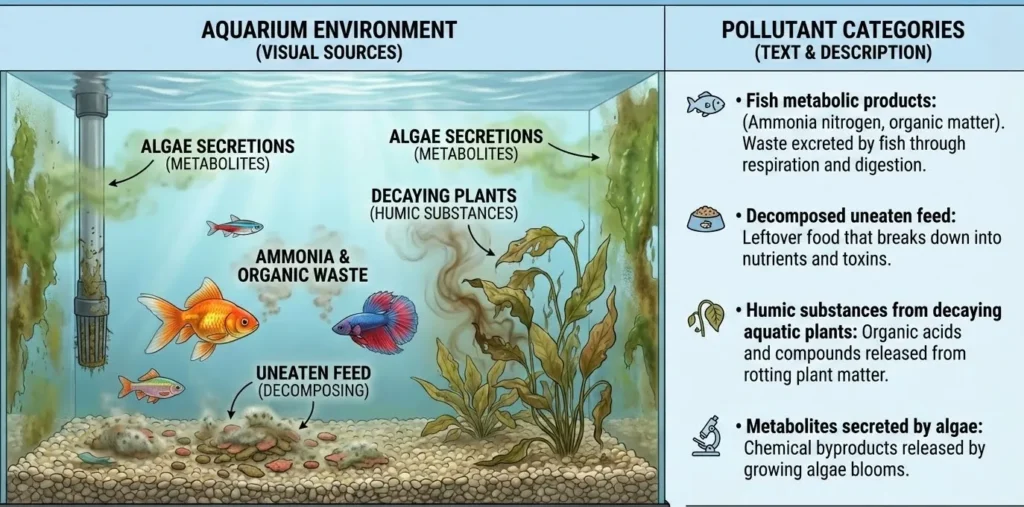
- Fish metabolic products (ammonia nitrogen, organic matter)
- Decomposed uneaten feed
- Humic substances from decaying aquatic plants
- Metabolites secreted by algae
These substances gradually accumulate in water, forming DOC (Dissolved Organic Carbon), causing water to turn yellow and develop odors. Conventional mechanical filtration cannot remove these dissolved pollutants. Therefore, activated carbon is needed to purify aquarium water.
Working Principle of Activated Carbon in Aquarium Purification
Activated carbon primarily removes aquarium pollutants through adsorption:
Physical Adsorption Mechanism
Through its developed pore structure and enormous specific surface area, activated carbon effectively adsorbs:
- Dissolved organic matter
- Residual medications
- Odors and colored substances
- Heavy metal ions
This adsorption mainly relies on van der Waals forces, with pollutant molecules becoming “trapped” in the pores on the carbon surface.
Selective Adsorption
High-quality activated carbon preferentially adsorbs harmful substances while retaining necessary trace elements and minerals in the water.
Contact me todayAquarium Activated Carbon Selection Guide
In routine aquarium maintenance, choosing suitable activated carbon is crucial. Different materials and shapes of activated carbon vary in performance and application scenarios. Tingyuancarbon provides the highest quality coconut shell and coal-based activated carbon for aquariums.
Coconut Shell Granular Activated Carbon
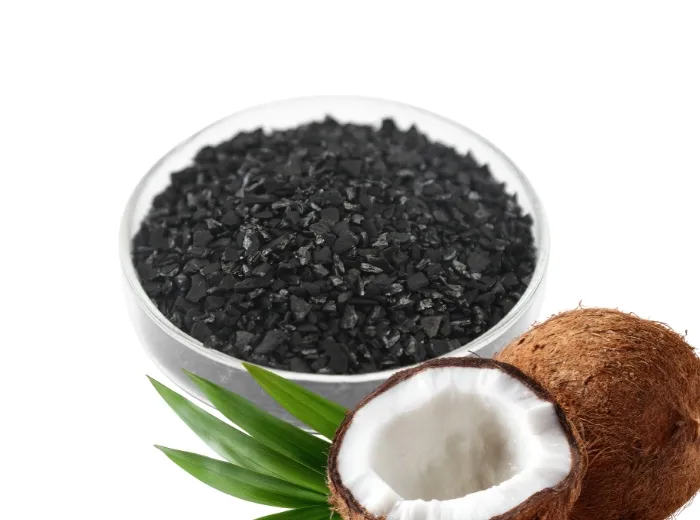
Made from premium coconut shells through high-temperature activation, featuring abundant micropores and extremely low ash content. Its ultra-high hardness ensures no fragmentation during use, making it the preferred material for high-end aquarium systems.
- Strong odor adsorption: Microporous structure especially suitable for removing small molecules like ammonia nitrogen
- Extremely high hardness: Good wear resistance, doesn’t produce debris that pollutes water
- Very low ash content: Won’t release impurities affecting water quality
- Long service life: Generally lasts 2-3 months
Coal-Based Pellet Activated Carbon
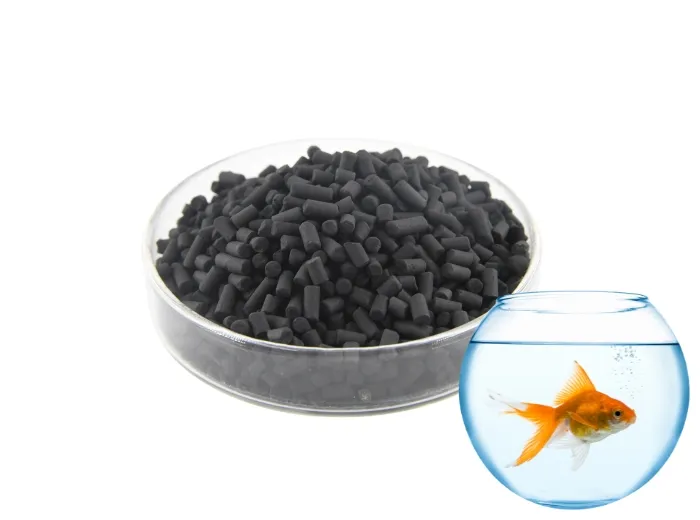
Made from quality bituminous coal through advanced extrusion molding technology into regular cylinders, ensuring ideal filtration while significantly reducing water flow resistance. Its balanced pore size distribution is particularly suitable for treating comprehensive water quality issues.
- Good decolorization: Medium pores suitable for removing yellowing substances
- Low water flow resistance: Regular cylindrical structure ensures smooth water flow
- Cost-effective: Lower cost with stable performance
- Good regeneration performance: Can restore partial activity through multiple water washings
Usage Optimization Tips
Installation and Operation
- Recommended to use specialized filter bags or cartridges
- Ensure correct water flow direction
- Regular inspection and cleaning of filter media
Replacement Cycle
- Generally recommended to replace every 2-3 months
- Early replacement needed if:
- Water becomes yellow or develops odors
- Abnormal fish activity
- Significant fluctuation in water parameters
Conclusion
Regardless of which activated carbon you choose, correct usage is key to ensuring effectiveness. TingyuanCarbon provides professional technical support and customized advice to help you select the most suitable product solution.
Contact us for:
- Detailed technical parameter sheets
- Free trial samples
- Professional technical consultation services