

In the coffee, tea, and functional beverage industries, decaffeination has become an increasingly important demand. Among various decaffeination techniques, activated carbon adsorption is widely applied in food processing due to its safety, stability, and high selectivity.
This article will provide an in-depth overview of the role of activated carbon in decaffeination, helping you choose the most suitable activated carbon products.
Why Is Decaffeination Necessary?
Caffeine is a naturally occurring alkaloid primarily found in coffee beans, tea leaves, cocoa, guarana, and other plants. It has stimulating effects on the nervous system and can improve alertness. However, many consumers prefer to reduce caffeine intake for the following reasons:
- Sleep quality concerns
- Rapid heart rate or sensitivity to caffeine
- Pregnant or breastfeeding individuals
- Development of beverages for children
- Medical advice to limit caffeine consumption
Therefore, decaffeination is essential.
How Activated Carbon Works in Decaffeination
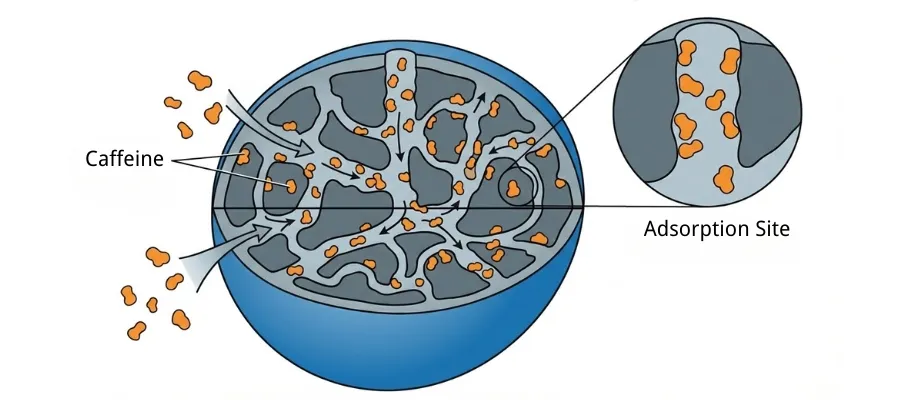
Activated carbon is a porous carbon material with an extremely high surface area and a rich pore structure, capable of capturing and retaining caffeine molecules. Studies have shown that certain high-performance activated carbons can adsorb up to 1961.3 mg of caffeine per gram, meaning each gram of activated carbon can adsorb nearly two grams of caffeine.
The adsorption capacity of activated carbon depends not only on its surface area but also on its pore size distribution. The caffeine molecule measures approximately 0.98 × 0.87 nm, perfectly matching the micropores of activated carbon for efficient adsorption.
When caffeine-containing solutions flow through activated carbon, the caffeine molecules are trapped in the pores, while other flavor compounds remain largely unaffected due to differences in size or polarity, achieving precise separation of caffeine from desirable flavors.
Contact me todayTypes of Activated Carbon for Decaffeination
Selecting the right type of activated carbon is a key factor in decaffeination. Different types of activated carbon vary in pore structure, adsorption capacity, and selectivity, directly affecting decaffeination efficiency and the final product’s flavor. TingyuanCarbon provides high-quality food-grade activated carbon specifically for decaffeination applications.
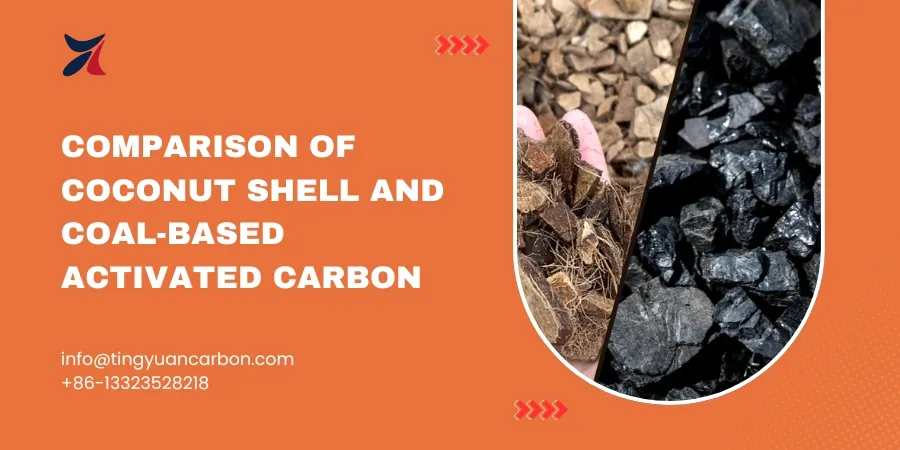
Coconut Shell Activated Carbon
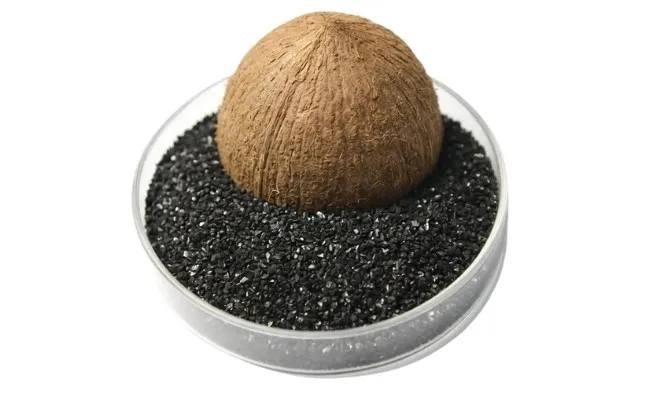
Produced from premium coconut shells and activated at high temperatures, coconut shell activated carbon has a highly developed microporous structure and high surface area. Its micropores are particularly suitable for adsorbing small molecules like caffeine, making it highly efficient in decaffeination processes.
Features and Advantages:
- Rich micropores: Microporous structure precisely matches small caffeine molecules, ensuring high decaffeination efficiency.
- High mechanical strength: Resistant to breakage or dusting, suitable for column adsorption and industrial continuous production.
- Strong selectivity: Effectively adsorbs caffeine while retaining flavor components such as aromatic oils and sugars.
- Regenerable: High-quality granular carbon can be regenerated through steam or heat treatment, reducing long-term production costs.
Wood-Based Activated Carbon
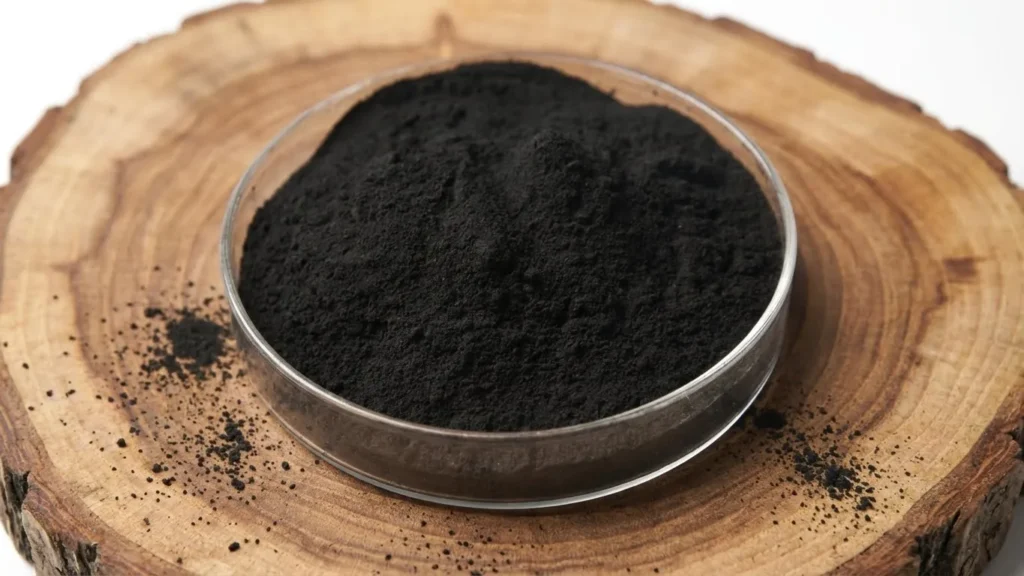
Made from wood or wood chips through chemical or physical activation, wood-based activated carbon features well-developed meso- and macropores and high surface area. This pore structure enables rapid adsorption, removing caffeine from liquid solutions in a short time.
Features and Advantages:
- Large surface area: Enables fast adsorption and efficient caffeine removal in a short period.
- Rapid adsorption: Fine powder form allows quick reduction of caffeine content.
- Easy mixing: Powdered form can be directly mixed with coffee or tea liquids, increasing contact area and enhancing decaffeination efficiency.
- High food safety: Complies with food-grade standards, suitable for beverages and herbal extracts.
Conclusion
Activated carbon has become an indispensable material in modern decaffeination processes, offering strong selectivity, low cost, stability, and suitability for large-scale industrial use. Whether for coffee, tea, or plant extracts, choosing the right activated carbon ensures efficient decaffeination while preserving flavor and product quality.
If you are looking for food-grade activated carbon for decaffeination, feel free to contact TingyuanCarbon for quotes and professional consultation.