
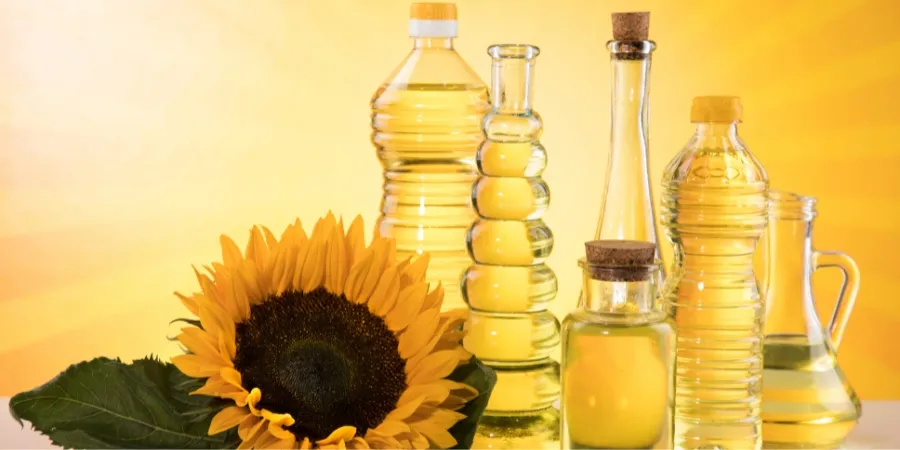
In the production of edible oils, crude oil often contains various natural pigments (such as chlorophyll and carotenoids), oxidation products, and trace impurities. These components can darken the oil color and reduce its transparency, thereby affecting the product’s appearance and market competitiveness. Therefore, decolorization is an essential step.
Activated carbon, due to its excellent adsorption performance, is widely used in the decolorization of edible oils. This article provides a detailed introduction to this application.
Principle of Activated Carbon Decolorization
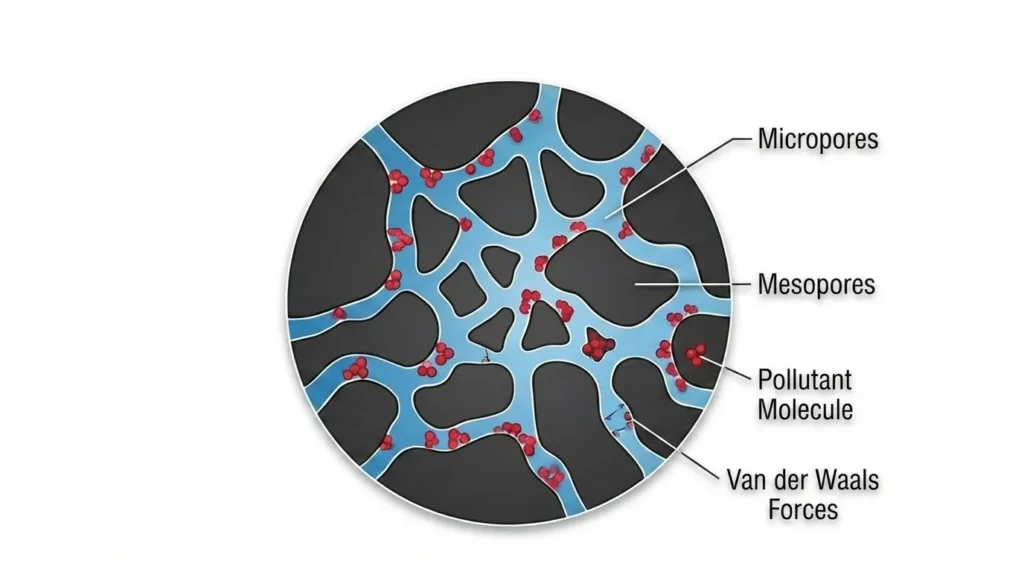
Activated carbon is an adsorbent material with a highly developed pore structure and a large specific surface area. Its decolorization effect is mainly based on the following mechanisms:
Physical Adsorption
Activated carbon contains abundant micropores and mesopores, which can adsorb pigment molecules and impurities in the oil through van der Waals forces.
Chemical Adsorption
The surface of activated carbon contains various functional groups (such as hydroxyl and carboxyl groups), which can chemically interact with certain pigments or oxidation products, enhancing the decolorization effect.
Selective Adsorption
Activated carbon can selectively adsorb impurities of different molecular sizes and polarities, allowing effective decolorization while minimizing the loss of beneficial nutrients in the oil.
Contact me todayProcess Flow of Activated Carbon in Edible Oil Decolorization
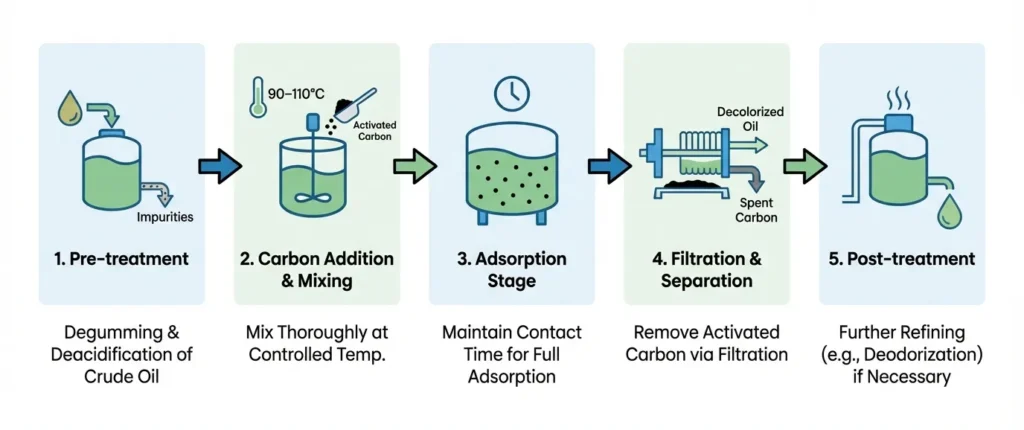
A typical activated carbon decolorization process includes the following steps:
- Pre-treatment: Degumming and deacidification of crude oil to reduce impurities that may affect decolorization efficiency.
- Carbon Addition and Mixing: A proper amount of activated carbon is added to the oil and mixed thoroughly under controlled temperature (typically 90–110°C).
- Adsorption Stage: Maintain sufficient contact time to allow full adsorption of pigments and impurities.
- Filtration and Separation: Activated carbon is removed through filtration to obtain decolorized oil.
- Post-treatment: Further refining processes such as deodorization may be applied if necessary.
Key Performance Parameters
For edible oil decolorization, the following parameters are particularly important:
- Molasses Value: Indicates the ability to adsorb large molecules (higher is better)
- Specific Surface Area: Affects overall adsorption capacity
- Ash Content: Low ash is required for food-grade applications
- pH Value: Neutral pH is more suitable for edible oil processing
- Particle Size (Mesh): Influences dispersion and filtration performance
Types of Activated Carbon for Edible Oil Decolorization
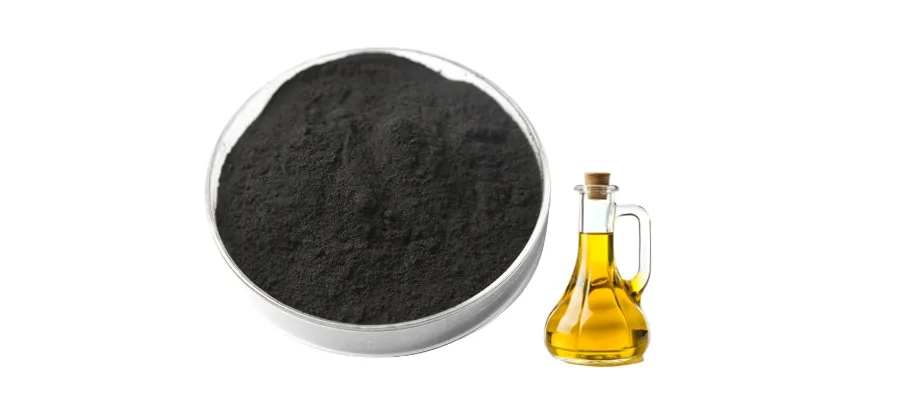
In the refining and decolorization of edible oils, wood-based powdered activated carbon is the most widely used and effective adsorbent. It offers the following advantages:
Developed Mesoporous Structure
Wood-based activated carbon is rich in mesopores and macropores, making it highly suitable for adsorbing large pigment molecules in edible oils, such as:
- Chlorophyll
- Carotenoids
- Oxidized polymers
High Specific Surface Area
Wood-based powdered activated carbon provides a large number of adsorption sites, ensuring excellent decolorization performance.
Powdered Form for Better Contact
Due to its fine particle size, powdered activated carbon can disperse quickly in oil, ensuring thorough contact. This results in:
- Higher adsorption efficiency
- Shorter processing time
- More uniform decolorization
Strong Selective Adsorption
Through optimized activation processes, wood-based activated carbon can be tailored for specific pigments, achieving efficient decolorization while minimizing the loss of beneficial components such as vitamins.
Performance in Different Edible Oils
Wood-based powdered activated carbon is suitable for a wide range of edible oils, including:
- Soybean Oil: Effectively removes dark impurities and improves clarity
- Rapeseed Oil: Reduces overall color and improves flavor
- Palm Oil: Removes red pigments and enhances product grade
- Sunflower Oil: Improves appearance, making the oil clearer and brighter
It performs especially well for oils with high color intensity or lower initial quality.
Contact me todayKey Factors Affecting Decolorization Performance
In practical applications, several factors influence the effectiveness of decolorization:
- Activated Carbon Dosage: Insufficient dosage reduces efficiency, while excessive use increases cost
- Contact Time: Insufficient time lowers adsorption efficiency
- Temperature Control: Higher temperatures generally improve adsorption rate
- Mixing Intensity: Affects the contact between carbon and oil
- Crude Oil Quality: Higher impurity levels increase decolorization difficulty
Optimizing these parameters can significantly improve performance while reducing operational costs.
Conclusion
With its excellent adsorption performance and flexible application, activated carbon has become an indispensable material in edible oil refining.
TingyuanCarbon provides high-quality wood-based activated carbon specifically designed for decolorization. Contact us today to obtain free samples and customized solutions.