
Hydrogen sulphide (H₂S) is a common and highly hazardous acidic gas that is widely found in natural gas, biogas, petroleum refining, sewage treatment, landfill sites and industrial exhaust gases.
Thanks to its excellent adsorption properties, activated carbon has become one of the most commonly used adsorbents for hydrogen sulphide treatment. This article will provide a detailed overview of this application.
Why H₂S Must Be Removed
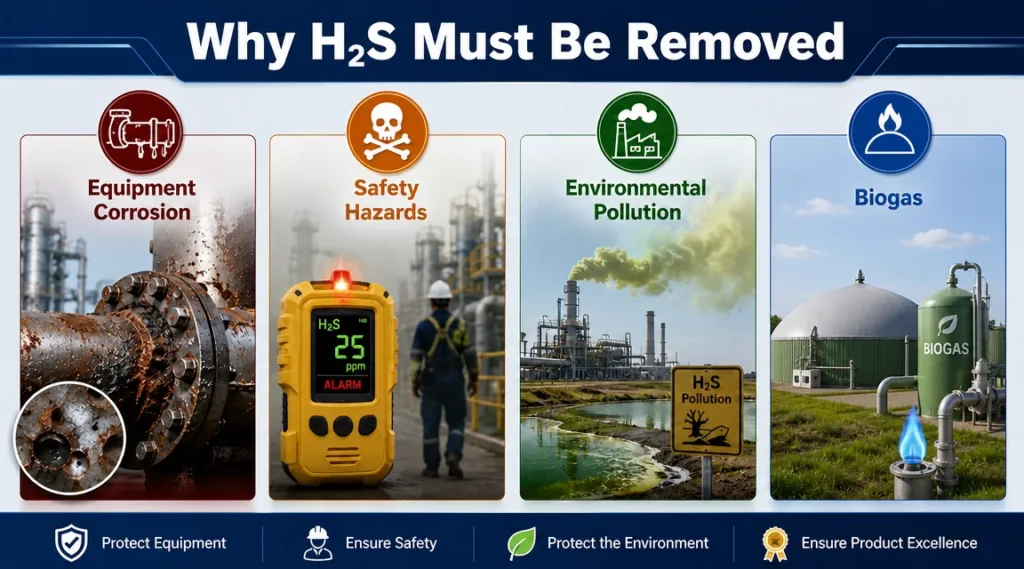
H₂S is a colorless, flammable gas produced naturally by the anaerobic decomposition of sulfur-containing organic matter. It is also a common byproduct in oil refining, natural gas processing, biogas production, pulp and paper manufacturing, and municipal wastewater treatment. While its unmistakable rotten-egg odor makes it easily detectable at sub-ppm concentrations, the problems posed by H₂S extend far beyond odor nuisance.
Equipment Corrosion
When H₂S reacts with moisture in the air, it can form acidic compounds that aggressively corrode metal pipelines, valves, compressors, and storage tanks, leading to reduced equipment lifespan and increased maintenance costs.
Safety Hazards
Hydrogen sulfide is highly toxic:
- Low concentrations can irritate the eyes and respiratory system
- High concentrations may cause poisoning or even suffocation
- It is flammable and explosive under certain conditions
Environmental Pollution
H₂S has an extremely unpleasant odor. Even at very low concentrations, it can trigger public complaints and violate environmental regulations.
Reduced Product Quality
In applications such as natural gas and biogas, hydrogen sulfide can reduce fuel quality and damage downstream catalysts and treatment systems.
Contact me todayHow Activated Carbon Removes H₂S
Activated carbon removes H₂S through a combination of physical and chemical mechanisms that operate simultaneously within the porous carbon structure. Understanding these mechanisms is essential to selecting the right carbon and designing an effective treatment system.
Physical Adsorption
Activated carbon possesses an exceptionally high internal surface area — typically 900–1200 m²/g for gas-phase grades — created by a network of micropores (pores smaller than 2 nanometers in diameter). H₂S molecules, carried by the gas stream, diffuse into these micropores and are retained on the carbon surface through van der Waals forces. This physical adsorption step provides the initial capture of H₂S and determines how quickly the carbon bed reaches equilibrium with the incoming gas.
The effectiveness of physical adsorption depends primarily on the BET surface area and pore size distribution of the carbon. Carbons with a high proportion of micropores — such as those derived from coconut shell — excel at retaining small molecules like H₂S, while mesopores and macropores provide the transport pathways that allow H₂S to access the micropore network.
Catalytic Oxidation
Once physically adsorbed on the carbon surface, H₂S can undergo catalytic oxidation in the presence of oxygen:
2 H₂S + O₂ → 2 S + 2 H₂O
The carbon surface itself catalyzes this reaction, converting toxic H₂S into elemental sulfur that deposits within the pore structure. This mechanism is responsible for the baseline H₂S capacity of virgin (unimpregnated) activated carbon — typically 0.05–0.15 grams of H₂S per gram of carbon. While modest compared to chemically impregnated carbons, this capacity is meaningful for low-concentration H₂S polishing applications.
Chemical Reaction with Impregnants
The most significant H₂S removal capacity is achieved through chemical impregnation. By loading the activated carbon with a reactive chemical agent — most commonly sodium hydroxide (NaOH) — the carbon transforms from a passive adsorbent into an active chemical scrubber:
H₂S + 2 NaOH → Na₂S + 2 H₂O
This acid-base neutralization reaction converts H₂S into non-volatile, water-soluble sodium sulfide, permanently sequestering the sulfur within the carbon granule. The reaction is stoichiometric and irreversible under normal operating conditions, which means the H₂S capacity of impregnated carbon is directly proportional to the impregnant loading — typically 0.30–0.60 g H₂S / g carbon for NaOH loadings of 8–15% by weight.
The chemical reaction requires water as a reaction medium — H₂S must first dissolve in a thin film of moisture on the carbon surface before it can dissociate and react with the impregnant. This makes relative humidity a critical operating parameter, as discussed later in this article.
Contact me todayTypical Applications of Activated Carbon for H₂S Removal

Due to its high removal efficiency, ease of operation and versatility, activated carbon has become one of the most commonly used solutions for treating hydrogen sulphide. The following are several typical applications of activated carbon in the removal of hydrogen sulphide:
Natural Gas Purification
Hydrogen sulfide is one of the most common impurities found in natural gas. If not removed in time, it can corrode pipelines, compressors, and downstream processing equipment, while also reducing the commercial value and safety of the natural gas.
Biogas Purification
Biogas generated from wastewater treatment plants, agricultural waste facilities, and food processing industries often contains a certain concentration of hydrogen sulfide.
Before biogas can be used for combined heat and power (CHP), upgraded to biomethane, or injected into natural gas pipelines, hydrogen sulfide must be removed to prevent corrosion and damage to engines, turbines, and purification equipment.
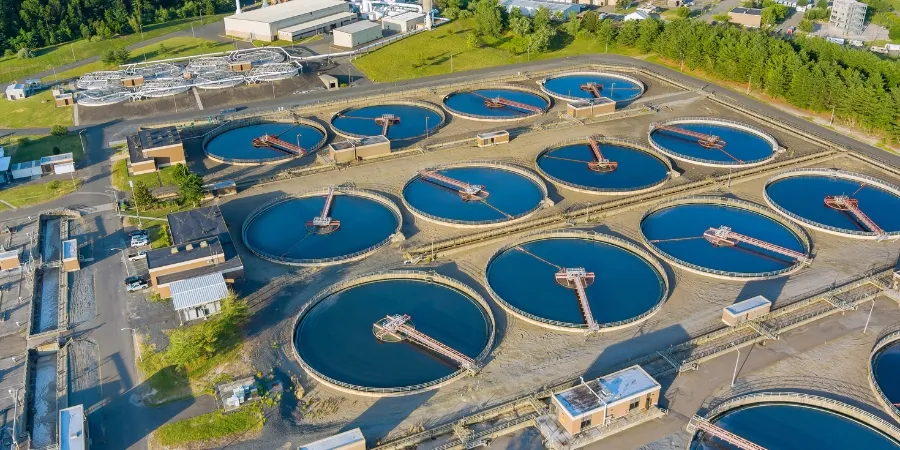
Wastewater Treatment Odor Control
Hydrogen sulfide is one of the main sources of unpleasant odors in wastewater treatment plants, especially in sludge treatment areas, pumping stations, and sewage collection systems.
Many wastewater treatment facilities install activated carbon filtration systems to adsorb hydrogen sulfide and other odor-causing gases from the air, helping to improve air quality and control odors effectively.
Landfill Gas Treatment
Landfill gas is generated during the decomposition of organic waste in landfills and mainly consists of methane, carbon dioxide, and hydrogen sulfide.
Therefore, before landfill gas can be used for power generation or upgraded to renewable natural gas, desulfurization is usually required to remove hydrogen sulfide and protect downstream equipment.
Oil & Gas and Refining Industry
Hydrogen sulfide is a commonly encountered hazardous gas in crude oil extraction, natural gas processing, refining, and petrochemical production.
It can not only corrode equipment and pipelines, but also poison catalysts, reduce production efficiency, and pose serious safety risks to on-site personnel. Therefore, activated carbon is widely used to remove hydrogen sulfide in these industrial processes.
Contact me todayTypes of Activated Carbon Used for Hydrogen Sulfide Removal
Selecting the right type of activated carbon is crucial for effective hydrogen sulphide removal. TingyuanCarbon offers the following types of activated carbon for H₂S removal:
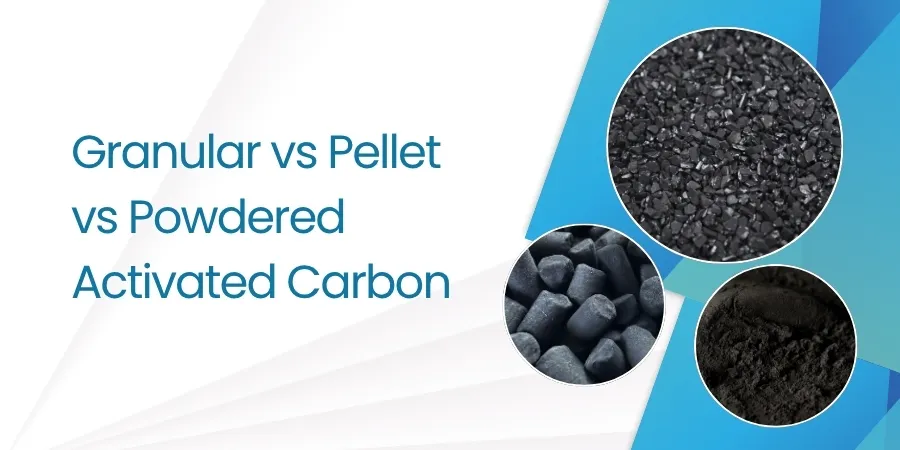
Pellet Activated Carbon
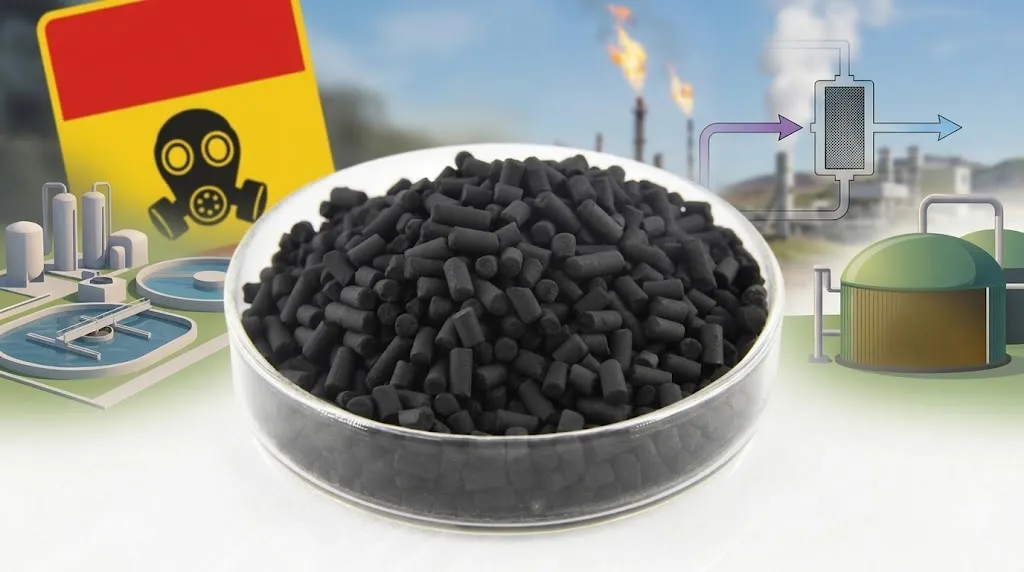
Coal-based pellet activated carbon is one of the most common choices for industrial gas purification.
Features:
- High mechanical strength
- Excellent abrasion resistance
- Low pressure drop
- Suitable for fixed-bed adsorption systems
- Ideal for continuous gas flow treatment
Typical applications:
- Natural gas desulfurization
- Biogas purification
- Industrial exhaust gas treatment
Granular Activated Carbon
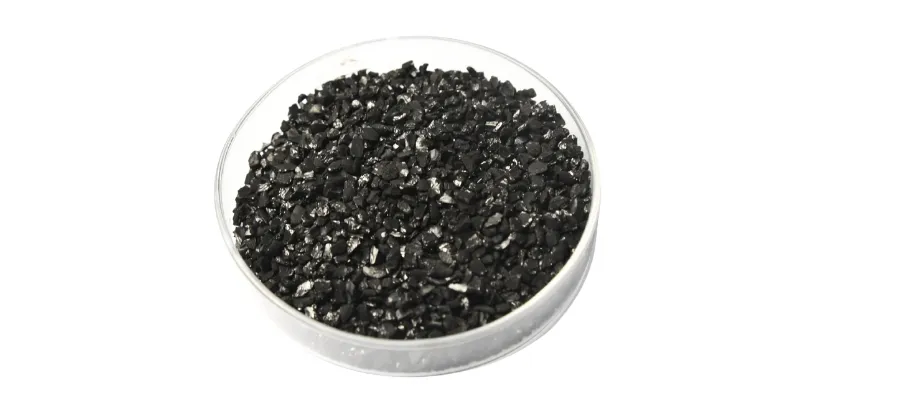
Coconut shell granular activated carbon offers a highly developed microporous structure and excellent hardness.
Features:
- High surface area
- Excellent adsorption performance
- Low ash content
- High durability
Suitable for:
- Low-concentration hydrogen sulfide removal
- Air purification systems
- Small filtration units
Impregnated Activated Carbon
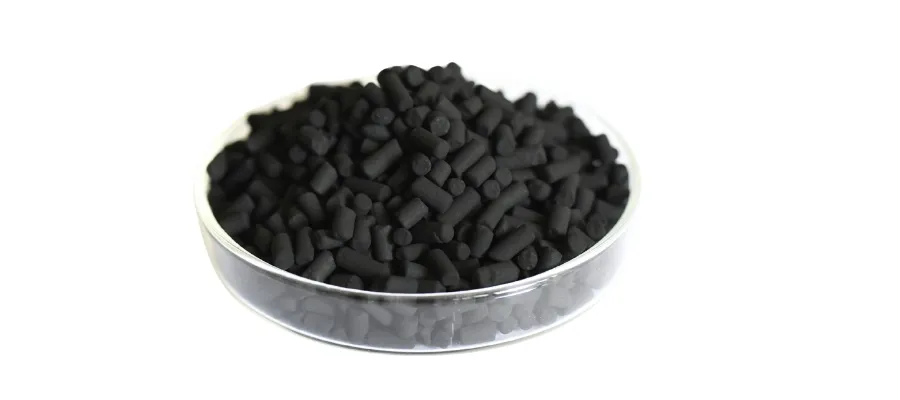
This is one of the most effective activated carbon products for hydrogen sulfide removal.
Features:
- Specifically designed for acidic gas removal
- Strong chemical reactivity
- High H₂S removal efficiency
- Large sulfur capacity
- Long service life
Widely used in:
- Biogas upgrading
- Landfill gas treatment
- Wastewater treatment odor control
- Oil and gas desulfurization
Key Factors Affecting Hydrogen Sulfide Removal Performance
When selecting activated carbon, pay close attention to the following parameters:
| Parameter | Importance |
|---|---|
| Surface Area | Determines overall adsorption capacity |
| Iodine Value | Indicates micropore adsorption performance |
| CTC Adsorption | Reflects gas-phase adsorption capability |
| Sulfur Capacity | Determines H₂S removal efficiency |
| Hardness | Reduces attrition and dust formation |
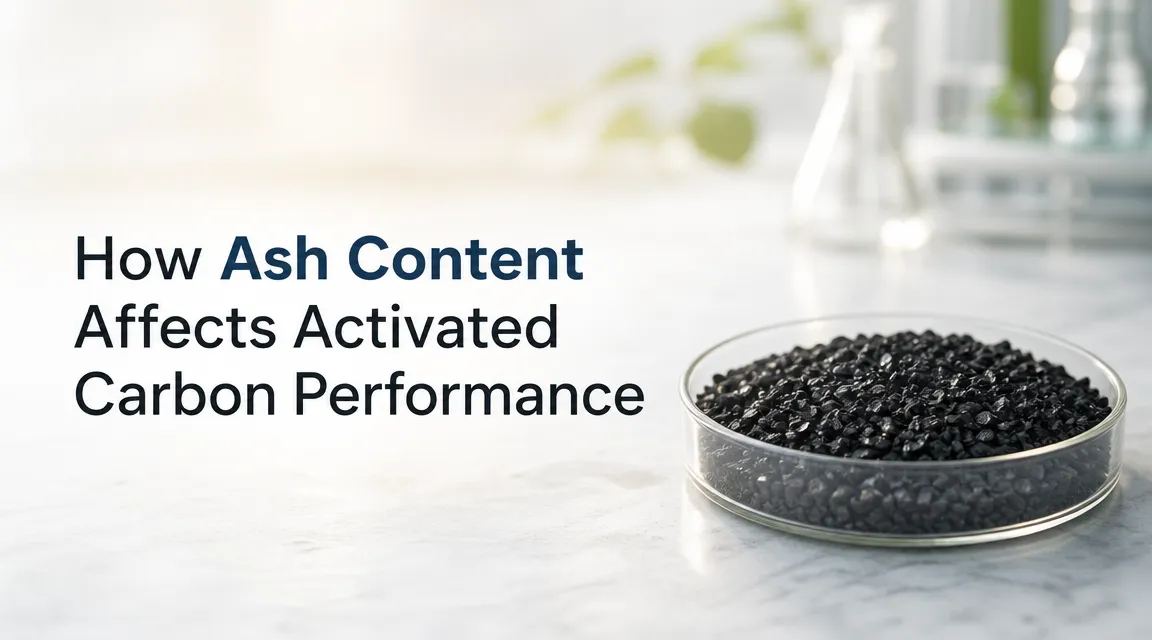
| Ash Content | Affects purity and equipment cleanliness |
| Particle Size | Influences pressure drop and contact efficiency |
| Impregnation Type | Determines targeted desulfurization performance |
Key Factors Governing H₂S Removal Performance
Even the best activated carbon will underperform if the operating conditions of the treatment system are not properly accounted for. The following factors are critical to achieving design-level H₂S removal:
Relative Humidity
Moisture is arguably the single most important operating parameter for impregnated carbon H₂S removal. The acid-base reaction requires water as a reaction medium — H₂S must first dissolve in a moisture film on the carbon surface before it can dissociate and react with the alkaline impregnant. Dry gas streams (<30% RH) typically achieve only 30–50% of the capacity realized at 70–90% RH. For applications involving dry gas, either gas pre-humidification or selection of a high-moisture carbon grade is recommended.
H₂S Inlet Concentration
Inlet H₂S concentration influences both the rate of breakthrough and the total mass loading on the carbon bed. Higher concentrations drive faster saturation but also produce a sharper, more predictable breakthrough curve, simplifying scheduling of media change-outs. Low inlet concentrations (trace to a few ppm) can extend bed life to months or even years, but breakthrough may be gradual and difficult to detect without continuous monitoring.
Gas Velocity and Contact Time
The empty bed contact time (EBCT) — the superficial residence time of gas in the carbon bed — directly governs removal efficiency. Typical EBCT values for H₂S removal are:
- Sewer gas and odor control: 1.0–2.0 seconds
- Biogas upgrading: 2.0–4.0 seconds
- Natural gas polishing: 3.0–6.0 seconds
- High-concentration H₂S (>1000 ppm): 4.0–8.0 seconds, or staged multi-bed configurations
Bed Temperature
The optimal operating temperature range for impregnated carbon H₂S removal is 20–50°C (68–122°F). Below 10°C, reaction kinetics slow measurably. Above 70°C, the risk of impregnant degradation — particularly for hydroxide-based formulations — becomes significant. For high-temperature gas streams, iron oxide-enhanced carbon or a pre-cooling step should be considered.
Competing Contaminants
Real-world gas streams contain more than just H₂S. The following co-contaminants can reduce H₂S removal efficiency:
- VOCs: Compete for pore volume and can coat the carbon surface, reducing H₂S accessibility.
- Siloxanes (biogas): Polymerize to silica deposits within pores, irreversibly reducing capacity.
- CO₂: Competes with H₂S for alkaline impregnant — a significant concern in biogas, where CO₂ concentrations of 30–45% can consume NaOH capacity.
- Ammonia (NH₃): Can react with sulfur deposits to form ammonium sulfide, degrading bed integrity.
Conclusion
Hydrogen sulphide removal is a critical step in natural gas processing, biogas upgrading, industrial exhaust gas treatment and air purification. Selecting the appropriate type and specification of activated carbon not only improves hydrogen sulphide removal efficiency but also reduces operating costs and extends equipment lifespan.
Please feel free to contact us; we can help you select the most suitable activated carbon for your specific operating conditions to achieve the best purification results.