
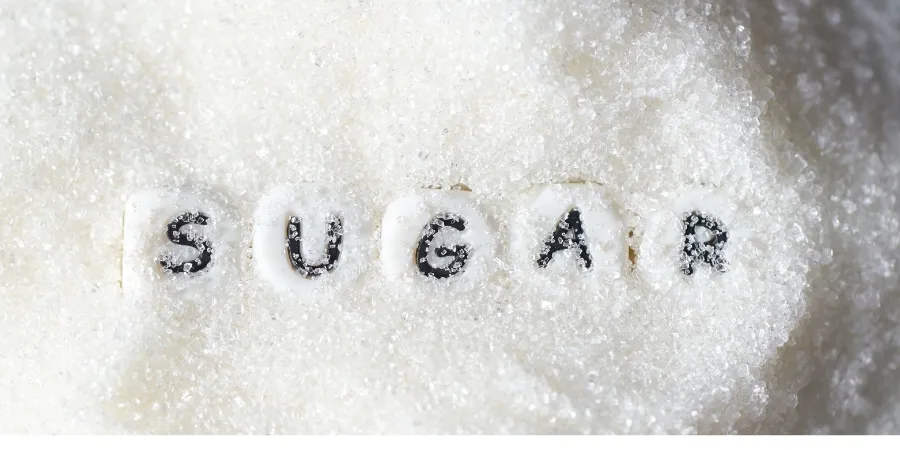
Activated carbon plays a critical role in the sugar refining industry. The process of sugar decolorization—removing color pigments, impurities, and organic compounds from raw sugar solutions—is one of the most well-established and large-scale applications of activated carbon worldwide. Whether producing white granulated sugar, refined cane sugar, or beet sugar, manufacturers rely on activated carbon to achieve the clarity, purity, and quality standards that consumers expect.
This article will explore the use of activated carbon in sugar decolorization to help you choose the most suitable activated carbon product.
Why Decolorization Matters in Sugar Production
Raw sugar, whether derived from sugarcane or sugar beet, contains a range of colored impurities known as colorants. These include:
- Caramel-type pigments — formed during the heating and evaporation of sugar juice
- Melanoidins — high-molecular-weight compounds created through Maillard reactions between sugars and amino acids
- Phenolic compounds and flavonoids — naturally present in plant materials
- Iron complexes and other inorganic colorants — originating from soil and processing equipment
These colorants not only affect the visual appearance of sugar but can also influence taste, shelf life, and compliance with food-grade specifications. Effective decolorization is therefore essential at every stage of refining.
Contact me todayHow Activated Carbon Removes Color from Sugar
Activated carbon decolorizes sugar solutions primarily through adsorption—a physical process where color-causing molecules bind to the extensive internal surface area of the carbon particles. The process involves several mechanisms:
Physical Adsorption (van der Waals Forces)
The vast majority of colorant removal occurs through physical adsorption. Activated carbon has a large surface area and a highly developed pore structure, enabling it to capture pigment molecules of various sizes.
Pore Size Distribution
The effectiveness of decolorization depends heavily on the carbon’s pore structure. Sugar colorants are relatively large molecules, so activated carbon with a well-developed mesoporous and macroporous structure is particularly effective, as they provide the access pathways needed for these molecules to reach the internal adsorption sites.
Surface Chemistry
While physical adsorption is the dominant mechanism, the chemical nature of the carbon surface also plays a role. Oxygen-containing functional groups on the carbon surface can interact with specific colorant molecules, enhancing adsorption selectivity for certain pigment types.
Contact me todayTypes of Activated Carbon Used for Sugar Decolorization
Depending on the application and raw materials, activated carbon used for sugar decolorization is primarily classified into the following categories:
Powdered Activated Carbon
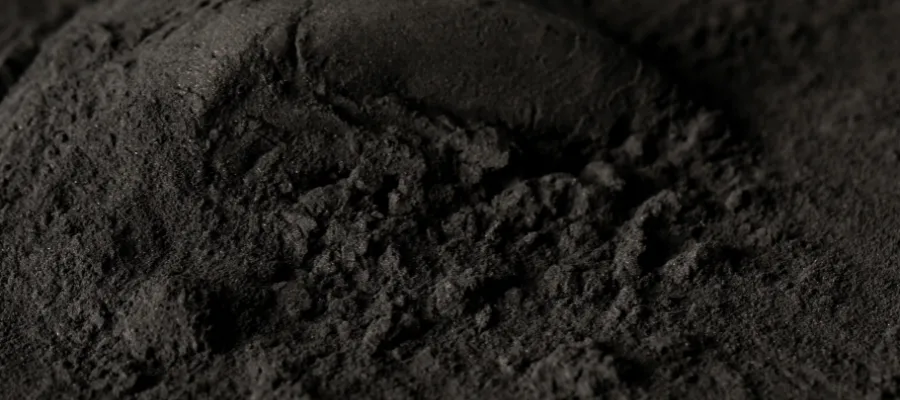
Powdered activated carbon is the most commonly used and critical material in sugar decolorization. It is typically made from wood-based raw materials and generally has a particle size of less than 0.18 mm.
Features and Advantages:
- Fast adsorption rate: Small particle size and large specific surface area ensure thorough contact with the sugar solution.
- High decolorization efficiency: Particularly suitable for removing macromolecular pigments (such as caramel color and polyphenols) from sugar solutions.
- Highly Adaptable Pore Structure: Primarily composed of mesopores and macropores, making it suitable for sugar decolorization requirements
- Flexible Application: Can be directly added to sugar solutions, ensuring simple operation
Applications:
- Decolorization of refined white sugar
- Decolorization of glucose syrup and fructose-glucose syrup
- Purification of food-grade sugar solutions
- Batch production processe
Granular Activated Carbon
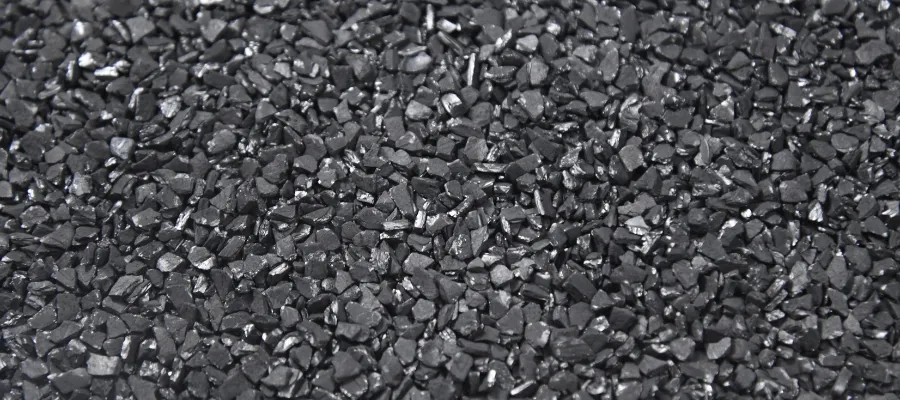
Granular activated carbon has a larger particle size (typically 0.5–4 mm) and is commonly used in fixed-bed or filtration systems; in sugar decolorization, it is often employed as an auxiliary material or in specific processes.
Features and Advantages:
- High mechanical strength: Resistant to breakage, suitable for continuous operation
- Regenerable: Long-term costs can be reduced through thermal regeneration
- Suitable for continuous processes: Can be used in column or filtration equipment
Applications:
- Continuous sugar solution decolorization systems
- Deep purification or polishing treatment
- Used in combination with powdered activated carbon
Key Parameters for Selecting Activated Carbon
Choosing the right activated carbon for sugar decolorization requires attention to several critical parameters:
| Parameter | Description | Importance |
|---|---|---|
| Molasses Number | Indicates adsorption capacity for large molecules | Determines decolorization efficiency |
| Ash Content | Represents inorganic impurity content | Affects sugar purity and product quality |
| Decolorization Efficiency | Measures the removal rate of color compounds | Directly reflects performance |
| Filtration Performance | Indicates filtration speed and ease | Impacts production efficiency and cost |
| Food-Grade Certification | Compliance with food safety standards | Ensures suitability for food applications |
Conclusion
As a highly efficient and safe adsorbent, activated carbon plays an indispensable role in the sugar decolorization process.
We offer high-quality activated carbon for decolorization. Contact us today to receive free samples and customized solutions.