
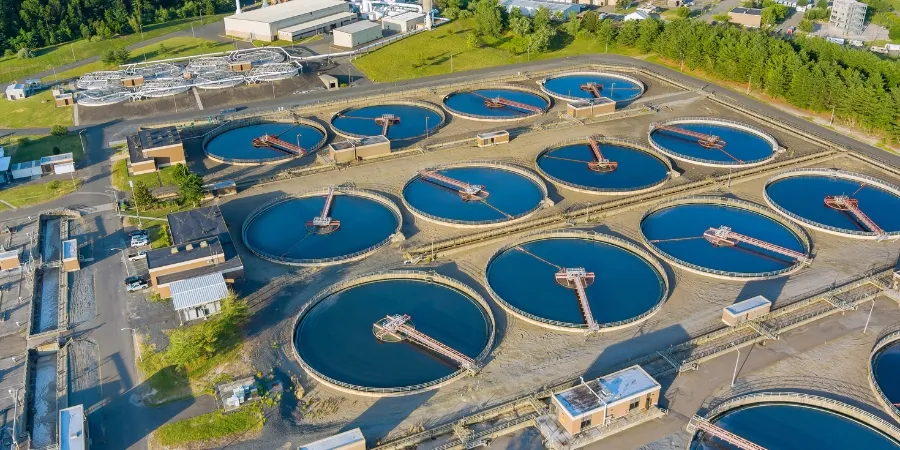
In today’s era of rapid industrialization, wastewater discharge has become a key focus of environmental management. Wastewater generated from industries such as textile dyeing, chemical production, electroplating, pharmaceuticals, and food processing often contains organic pollutants, colorants, heavy metals, and odorous compounds. Efficient and stable removal of these pollutants is critical for enterprises to meet discharge standards and achieve green production.
Activated carbon, with its highly developed pore structure and powerful adsorption capacity, plays an indispensable role in advanced wastewater treatment processes.
Why Use Activated Carbon in Wastewater Treatment?
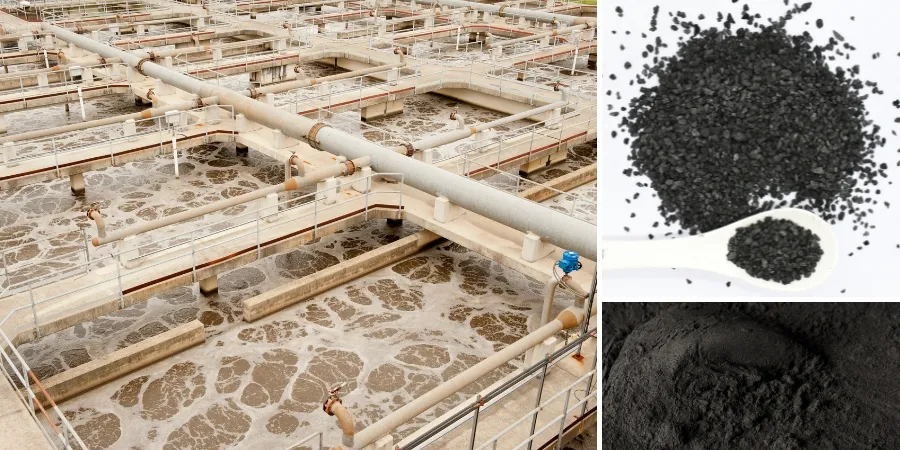
Even after conventional physical sedimentation and biological treatment, wastewater may still contain:
- Dissolved organic matter (COD, BOD)
- Colorants
- Phenols, benzene compounds, pesticide residues
- Heavy metal ions
- Odorous substances
Activated carbon’s high specific surface area enables it to effectively adsorb these trace pollutants, making it particularly suitable for advanced treatment and water reuse systems.
Contact me todayAdsorption Mechanism of Activated Carbon in Wastewater Treatment
The adsorption performance of activated carbon originates from its highly developed pore structure:
- Micropores (<2 nm): Adsorb small organic molecules
- Mesopores (2–50 nm): Adsorb dyes and large organic molecules
- Macropores (>50 nm): Provide transport channels
Activated carbon mainly functions in wastewater treatment through the following mechanisms:
- Physical adsorption: Micropores adsorb small organic pollutants.
- Chemical adsorption: Surface oxygen-containing functional groups react with pollutants.
- Surface complexation: Forms complexes with certain heavy metal ions.
- Pore size matching effect: Different pore sizes target pollutants of different molecular sizes.
Specific Applications of Activated Carbon in Wastewater Treatment
With its excellent adsorption performance, activated carbon efficiently removes pollutants from wastewater. Its specific applications include:
- Textile wastewater: Effectively removes colorants and residual dyes, improving water clarity.
- Electroplating wastewater: Adsorbs heavy metal ions, reducing discharge risks.
- Pharmaceutical wastewater: Removes complex organics and enhances biodegradability.
- Food processing wastewater: Eliminates odors and pigments to meet environmental standards.
- Municipal sewage advanced treatment: Used in secondary or tertiary treatment to improve effluent quality and enable water reuse.
Types of Activated Carbon for Wastewater Treatment
Choosing the right activated carbon is crucial for treatment effectiveness. Tingyuan Carbon provides premium activated carbon specifically designed for wastewater treatment.
Granular Activated Carbon
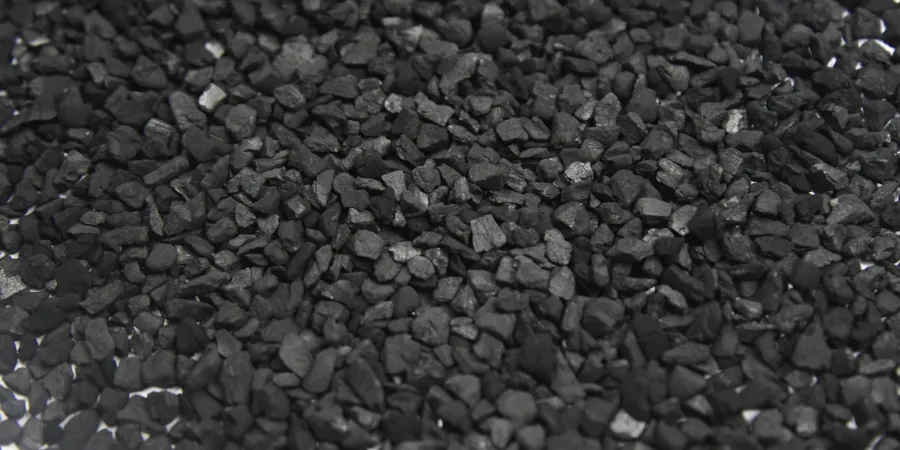
Granular activated carbon consists of relatively large, irregular particles, suitable for continuous water treatment systems.
- Adsorption performance: Granular activated carbon has strong adsorption capacity and can effectively remove organics, colorants, odors, and some heavy metal ions.
- Application scenarios: Ideal for large-scale water treatment systems, continuous-flow wastewater treatment, industrial wastewater purification, and advanced drinking water treatment.
Advantages:
- Large particles reduce clogging and are suitable for continuous operation.
- High adsorption capacity and long service life, with longer maintenance intervals.
- Regenerable, reducing operational costs.
Powdered Activated Carbon
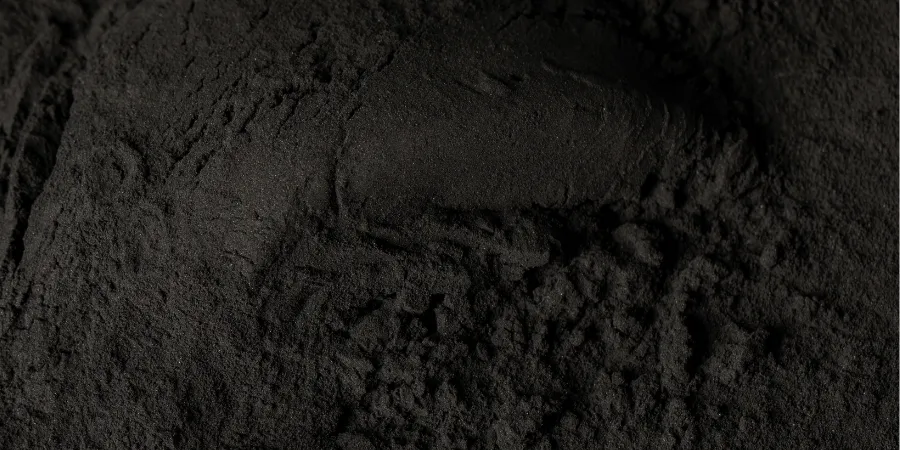
Powdered activated carbon is made by grinding granular activated carbon into fine powder, generally with a particle size smaller than 0.18 mm.
- Adsorption performance: The small particle size and large surface area enable rapid adsorption of dissolved organics, colorants, and odors.
- Application scenarios: Suitable for fast adsorption, batch treatment, or wastewater with high concentrations of refractory organics, such as textile, food processing, and pharmaceutical wastewater.
Advantages:
- Fast adsorption rate, suitable for short contact time treatment.
- Can handle high concentrations of pollutants and refractory substances.
- Flexible use, compatible with various reactors and water treatment processes.
Conclusion
Activated carbon is a critical material for advanced wastewater treatment and plays a key role in the environmental protection industry. With proper selection and scientific application, it not only reduces pollutant discharge effectively but also helps enterprises achieve sustainable development.
If you are looking for an efficient and stable wastewater treatment solution, contact us today to receive free sample testing and more competitive quotes.