
Mercury is a highly toxic and volatile heavy metal pollutant that is widely present in natural gas, coal chemical, petroleum refining, waste incineration and certain chemical production processes. Even at extremely low concentrations, mercury can pose serious risks to equipment, catalysts and human health.
Activated carbon, with its highly efficient adsorption properties, has become one of the most commonly used adsorbents in industrial mercury removal systems. This article will provide a detailed overview of this application.
Why Is Mercury Removal Important?
Mercury in industrial systems generally exists in the following forms:
- Elemental mercury
- Inorganic mercury compounds
- Organic mercury compounds
These mercury contaminants can create multiple problems.
Equipment Corrosion and Damage
Mercury can react with metals such as aluminum and copper, causing corrosion, heat exchanger damage, and pipeline leakage.
Catalyst Poisoning
In petrochemical and natural gas processing industries, mercury can deactivate precious metal catalysts, significantly increasing operational costs.
Environmental Pollution
Mercury is recognized as a major global pollutant that can enter ecosystems through air and water, causing long-term environmental damage.
Health Risks
Long-term exposure to mercury can affect the nervous system, kidneys, and respiratory system, posing serious risks to human health.
For these reasons, mercury removal has become an essential process in natural gas purification, LNG production, flue gas treatment, and industrial exhaust gas purification.
Contact me todayWhy Is Activated Carbon Suitable for Mercury Removal?
Activated carbon features a highly developed pore structure and an extremely large surface area, allowing it to effectively adsorb contaminants from gases.
In mercury removal applications, activated carbon can perform both physical adsorption and chemical adsorption through impregnated chemicals, greatly improving mercury removal efficiency.
Activated carbon for mercury removal offers several advantages:
- High adsorption efficiency
- Excellent performance for low mercury concentrations
- Mature and reliable technology
- Simple operation
- Suitable for various industrial systems
- Low pressure drop
- Long service life
- Ideal for continuous operation
Activated carbon is currently widely used in:
- Industrial exhaust gas purification
- Natural gas mercury removal
- LNG plants
- Petroleum refining
- Coal chemical processing
- Waste incineration flue gas treatment
- Coal-fired power plants
Main Applications of Activated Carbon for Mercury Removal
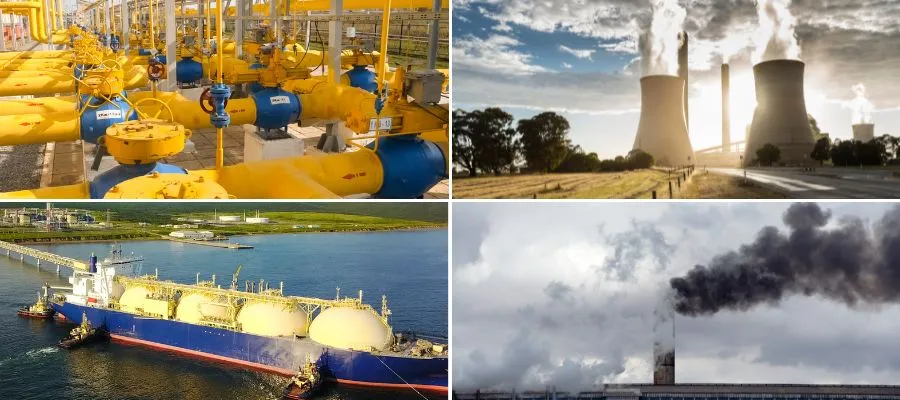
Thanks to its excellent adsorption properties, activated carbon is widely used in various applications for mercury removal.
Natural Gas Mercury Removal
Natural gas often contains trace amounts of mercury. If mercury is not removed in time, it can cause:
- Corrosion of LNG heat exchangers
- Damage to aluminum equipment
- Catalyst poisoning
As a result, mercury removal activated carbon has become a standard solution in LNG plants and natural gas processing facilities.
LNG Industry
During LNG production, mercury can severely corrode cryogenic aluminum heat exchangers.
Sulfur-impregnated activated carbon effectively protects critical equipment and improves system safety and reliability.
Coal Chemical Industry
Coal gasification processes can generate mercury-containing contaminants.
Activated carbon is widely used to purify:
- Syngas
- Hydrogen
- Chemical process gases
This helps protect downstream equipment and catalyst systems.
Waste Incineration Flue Gas Treatment
Waste incineration processes generate pollutants such as:
- Mercury
- Dioxins
- Acid gases
Powdered activated carbon injection is one of the most commonly used flue gas treatment technologies. Activated carbon can simultaneously adsorb mercury and certain organic pollutants.
Contact me todayCommon Types of Activated Carbon for Mercury Removal
Different applications and operating conditions require different types of activated carbon.
Sulfur-Impregnated Activated Carbon
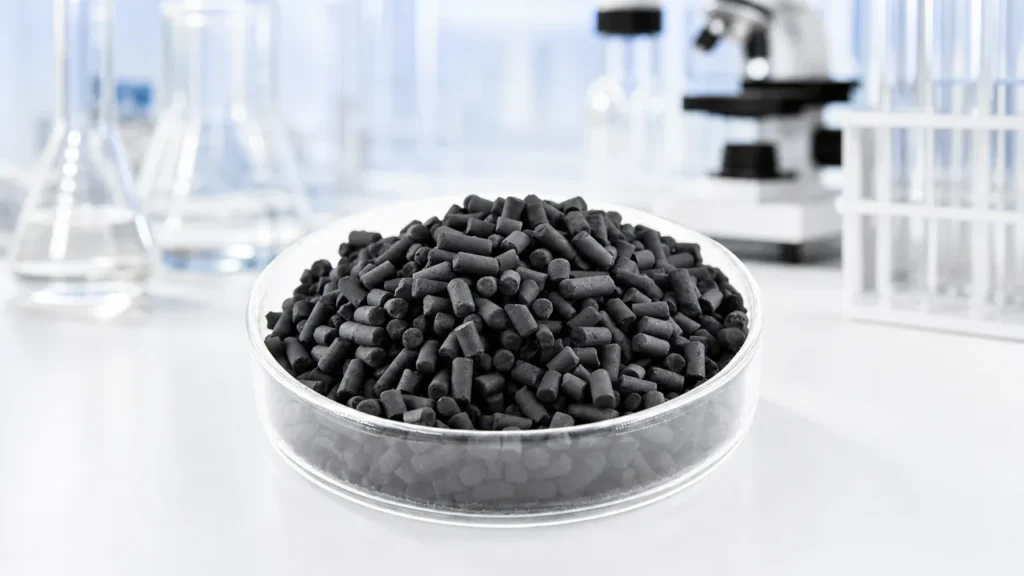
Sulfur-impregnated activated carbon is one of the most commonly used products in industrial mercury removal applications.
Its working principle involves sulfur reacting chemically with mercury to form stable mercury sulfide (HgS), enabling highly efficient mercury removal.
Features
- High mercury removal efficiency
- Excellent adsorption of elemental mercury
- Suitable for natural gas and gas-phase systems
- Long service life
- High operational stability
Main Applications
- Natural gas purification
- LNG mercury removal
- Petrochemical processing
- Hydrogen purification
- Syngas treatment
Coal-Based Pellet Activated Carbon
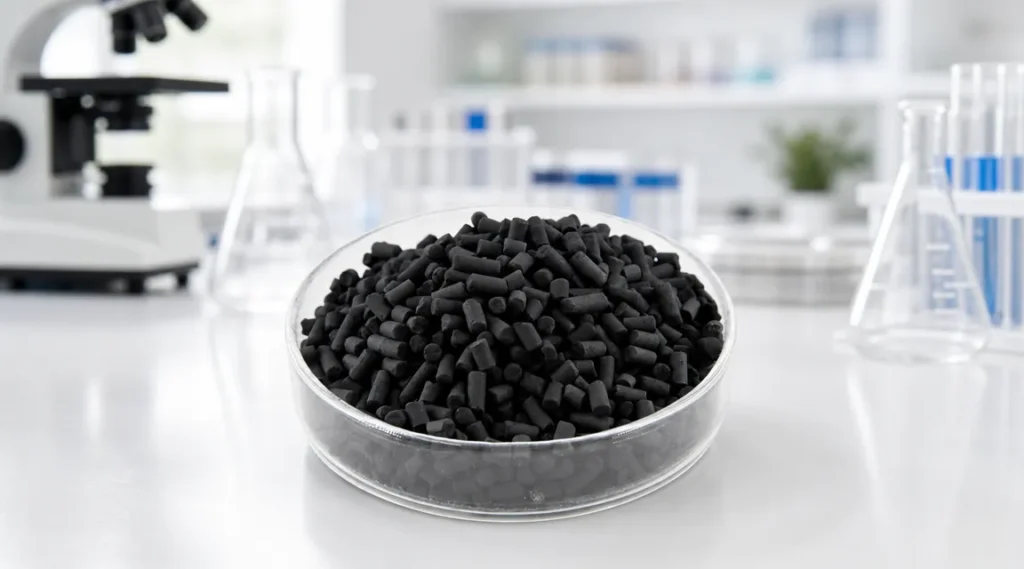
Coal-based pellet activated carbon offers high mechanical strength and low pressure drop, making it ideal for large gas-phase adsorption systems.
Although standard pellet activated carbon has limited mercury removal capability, its performance can be significantly improved after impregnation treatment.
Features
- High mechanical strength
- Excellent abrasion resistance
- Low pressure drop
- Suitable for continuous operation
Common Sizes
- 3mm
- 4mm
- 5mm
How to Choose the Right Activated Carbon for Mercury Removal
When selecting activated carbon for mercury removal, the following parameters should be carefully considered:
| Parameter | Importance |
|---|---|
| Surface Area | Determines overall adsorption capacity |
| Sulfur Content | Determines chemical mercury removal performance |
| CTC Activity | Reflects gas-phase adsorption capability |
| Hardness | Reduces material loss and dust generation |
| Ash Content | Affects purity and system cleanliness |
| Particle Size | Influences pressure drop and contact efficiency |
| Impregnation Uniformity | Affects removal stability |
| Service Life | Impacts operational cost |
For natural gas and LNG applications, high-strength, low-ash, high-sulfur-loading, and low-pressure-drop impregnated pellet activated carbon is generally recommended.
Conclusion
With ever-increasing global environmental standards, industrial mercury removal has become a critical component in the natural gas, petrochemical, coal chemical and flue gas treatment sectors.
Please feel free to contact us for free samples and bespoke mercury removal solutions.