
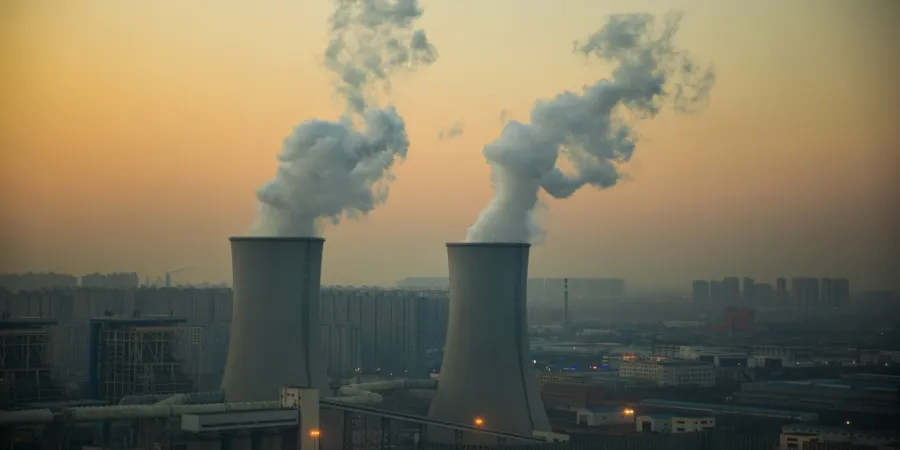
In key fields such as water treatment, gas purification, and environmental remediation, heavy metal removal is one of the most critical processes. Heavy metals such as lead (Pb), mercury (Hg), cadmium (Cd), arsenic (As), and chromium (Cr6+) are highly toxic to the human body; even trace amounts can cause severe health and environmental hazards.
Therefore, the removal of heavy metals is essential. This article will provide a detailed introduction to the role of activated carbon in heavy metal removal, helping you choose the best activated carbon.
Why Is It Necessary to Remove Heavy Metals?
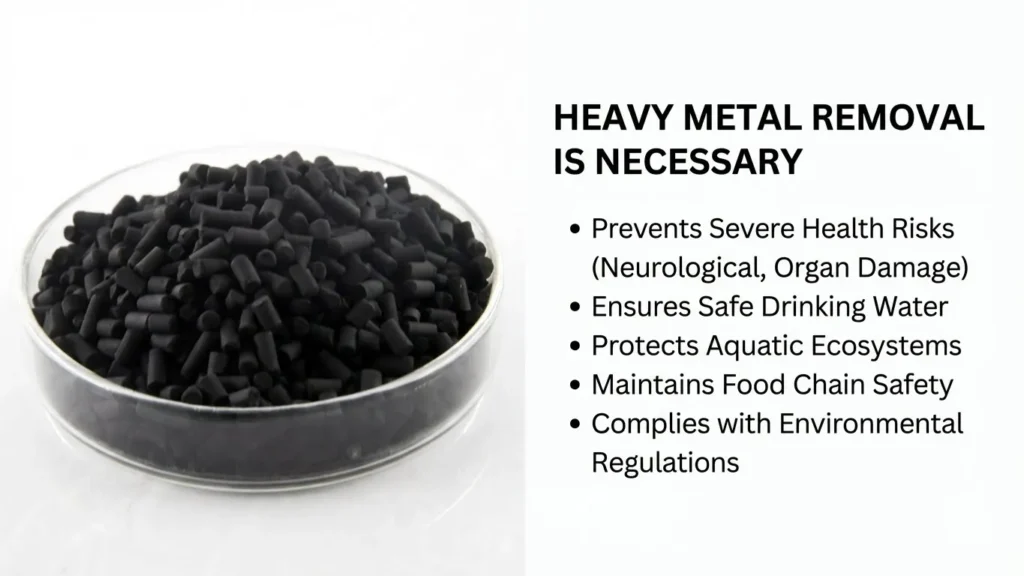
Heavy metals are among the most dangerous pollutants in the environment due to their high toxicity, persistence, and tendency to accumulate. Once they enter the human body or ecosystems, they can remain in tissues for a long time and spread through food chains, air, or water, causing serious harm to human health and the ecological environment.
Major sources of heavy metals in the environment include:
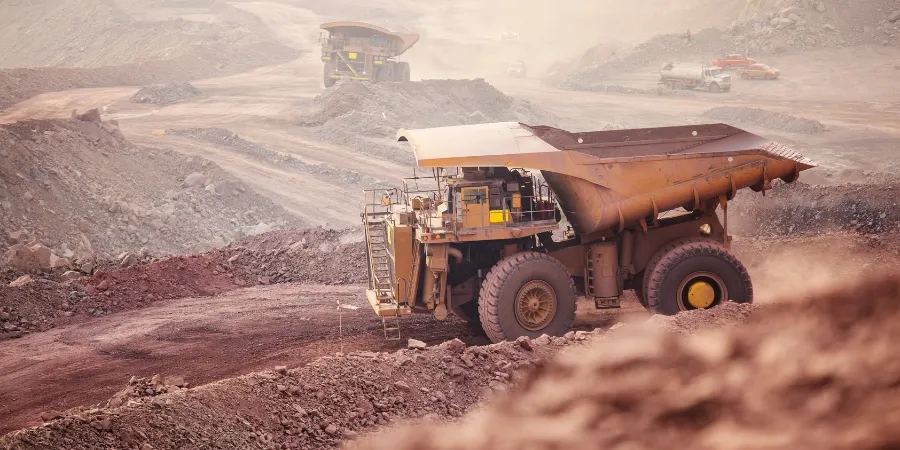
- Industrial emissions: Electroplating, metal smelting, mining, etc., produce wastewater, exhaust gas, and solid waste.
- Electronics and manufacturing: Semiconductor and electronics production can discharge heavy metals such as lead and cadmium.
- Agricultural activities: Fertilizers and pesticides containing heavy metals, as well as irrigation with contaminated wastewater, can pollute soil.
- Food chain accumulation: Aquatic products, vegetables, and grains may accumulate heavy metals due to polluted soil or water sources.
- Urban and domestic environments: Industrial exhaust, building materials, paints, pigments, and waste.
Therefore, activated carbon is needed to remove heavy metals.
Contact me todayHow Does Activated Carbon Remove Heavy Metals?
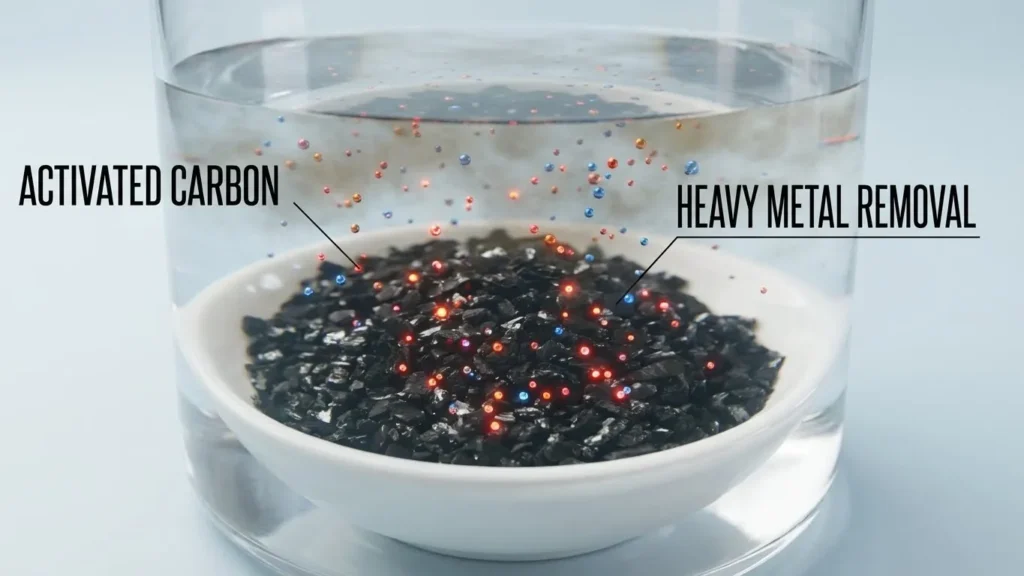
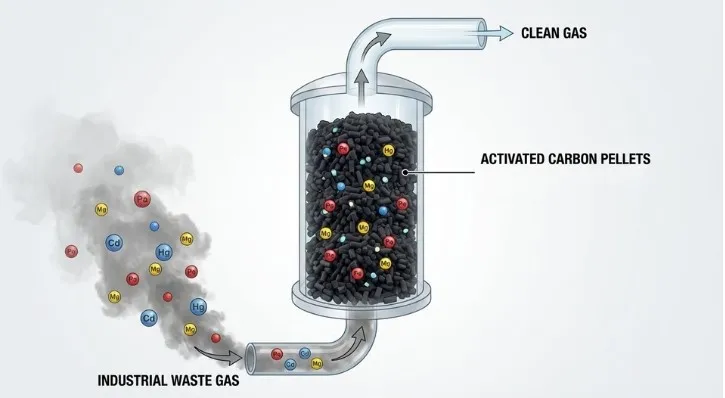
Activated carbon removes heavy metals mainly through its highly developed pore structure and surface chemical properties, utilizing both physical adsorption and chemical adsorption mechanisms.
Physical Adsorption
Activated carbon has a highly developed porous structure and large specific surface area, allowing its surface to adsorb heavy metal ions like a sponge. This adsorption involves:
- Porous structure: Micropores and mesopores capture dissolved heavy metal ions.
- Van der Waals forces: Heavy metal ions adhere to the activated carbon surface through intermolecular forces.
Chemical Adsorption
The surface of activated carbon contains many functional groups (such as hydroxyl, carboxyl, and carbonyl groups), which can chemically react with heavy metal ions, binding them to the carbon surface.
Applications of Activated Carbon in Heavy Metal Removal
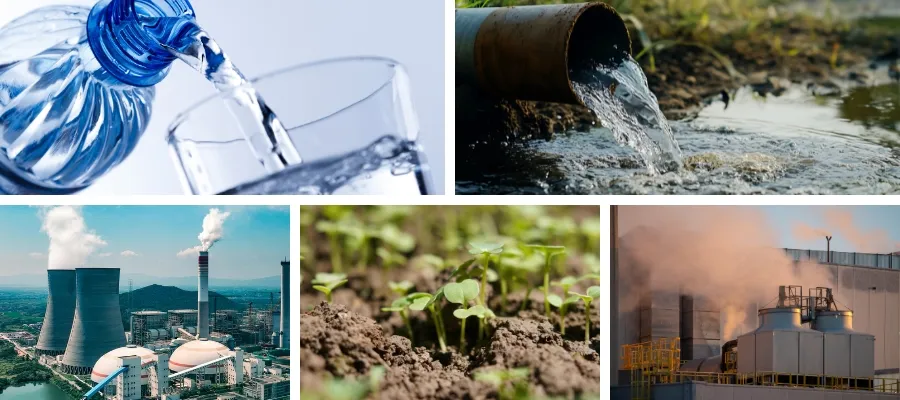
Due to its excellent adsorption performance, activated carbon is widely used for heavy metal pollution control, especially in water treatment and industrial wastewater treatment.
Drinking Water Purification
Activated carbon is commonly used to remove heavy metal contaminants (such as lead, mercury, chromium, and arsenic) from drinking water to ensure safe water quality.
Industrial Wastewater Treatment
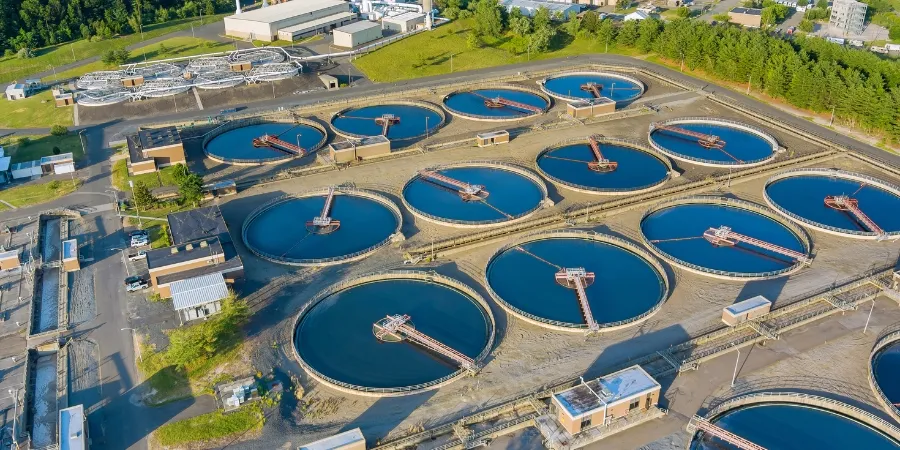
In industries such as metal smelting, electroplating, mining, and electronics manufacturing, activated carbon is used to remove high concentrations of heavy metal ions such as Pb, Cd, Cu, Zn, Ni, and Hg.
Medical and Laboratory Wastewater Treatment
Hospital and laboratory wastewater may contain toxic heavy metal compounds (such as mercury, lead, and cadmium), which can be effectively removed using activated carbon.
Soil Remediation
Activated carbon can be used as an adsorbent for heavy metals in soil remediation to reduce their bioavailability and prevent migration into groundwater.
Air Purification
Activated carbon can also capture gaseous heavy metals (such as mercury vapor) and is widely used in air pollution control, such as:
- Mercury adsorption in coal-fired power plant flue gas
- Heavy metal removal in waste incineration emissions
Activated Carbon for Heavy Metal Removal
Selecting the right activated carbon is crucial for achieving the best removal performance. TingyuanCarbon offers high-quality activated carbon specifically designed for heavy metal adsorption.
Granular Activated Carbon
Features:
- Uniform particle size, high hardness, strong wear resistance.
- Contains both micropores and mesopores, ideal for adsorbing metal ions and complexes.
- Easy to load and replace; suitable for continuous flow filtration systems.
Applications:
- Removal of lead, cadmium, arsenic, etc., in drinking water.
- Industrial wastewater treatment, such as electroplating, chemical, and metal-processing wastewater.
Pellet Activated Carbon
Features:
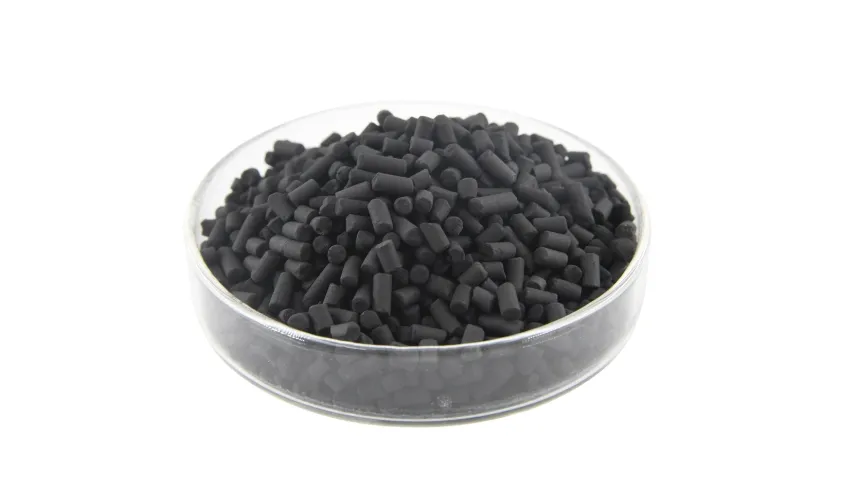
- Cylindrical shape with high mechanical strength, low dust generation.
- Low pressure drop, suitable for gas-phase applications.
- High temperature resistance and long service life.
Applications:
- Gas-phase heavy metal removal, such as mercury removal in natural gas, LNG, and industrial flue gas.
- High-flow, high-concentration exhaust gas treatment systems.
Powdered Activated Carbon
Features:
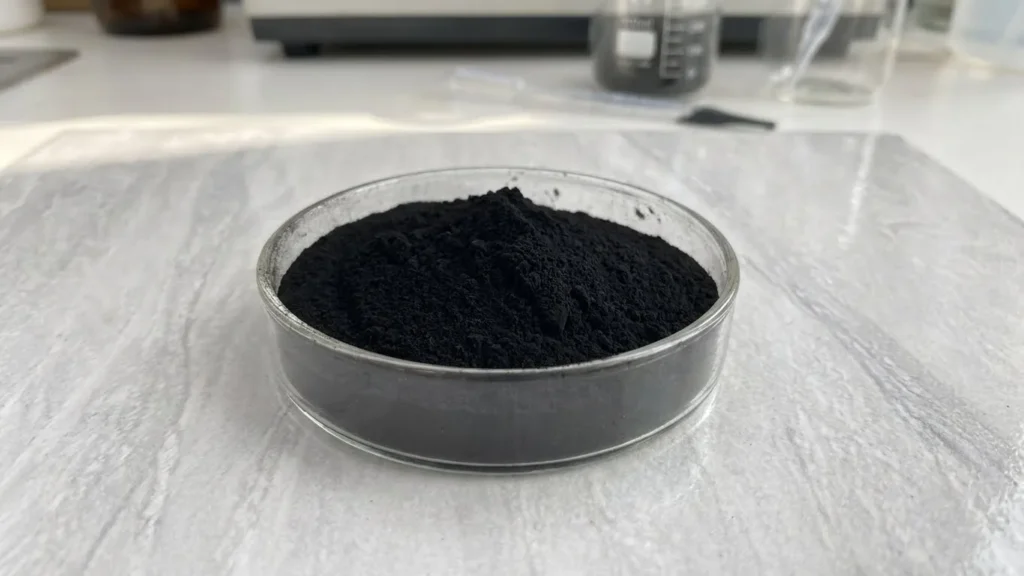
- Small particle size, high surface area, and fast adsorption rate.
- Suitable for short-term or batch treatment processes.
- Good dispersibility; can be uniformly mixed into liquids or gases to improve contact efficiency.
Applications:
- Liquid phase: Emergency water treatment for heavy metal-contaminated water, mixing tanks, or reactors.
- Gas phase: Mercury removal in flue gas or industrial exhaust; often used with gas treatment systems for rapid adsorption.
Sulfur-Impregnated Activated Carbon
Specially designed for mercury (Hg) removal, used in:
- LNG (liquefied natural gas)
- Natural gas systems
- Chlor-alkali industry
- Gold-smelting flue gas
Sulfur reacts with mercury to form stable compounds, giving it exceptionally high mercury removal capacity.
Contact me todayConclusion
Heavy metal pollution poses a severe threat to the environment and human health. Thanks to its strong adsorption capability, activated carbon has become one of the most reliable solutions in industrial and water treatment applications.
As a professional supplier of activated carbon, TingyuanCarbon provides high-quality activated carbon specifically designed for heavy metal removal. Contact us to get free samples or bulk purchase quotations.