
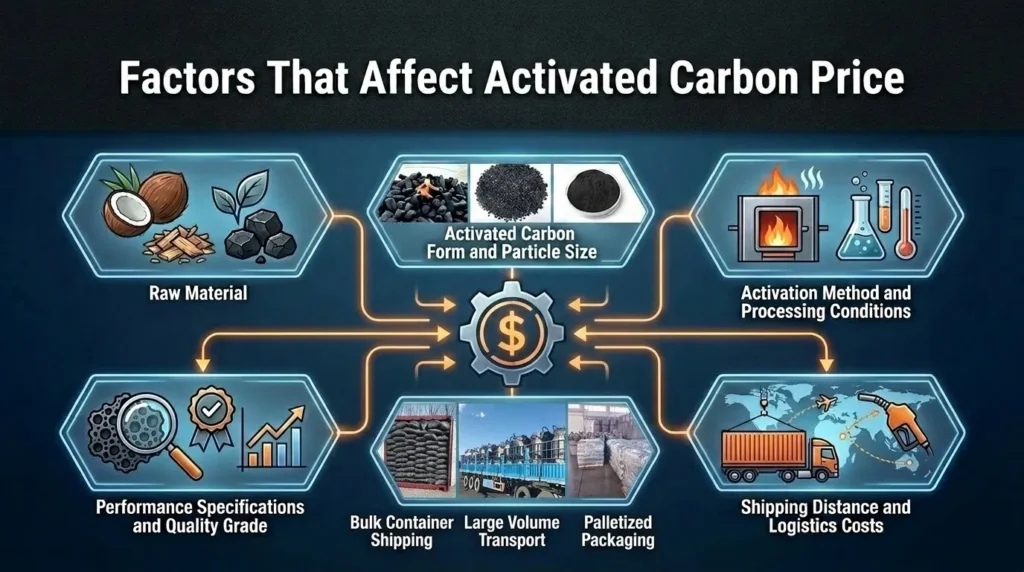
Activated carbon is widely used across industries — from water treatment and air purification to gold recovery and food processing. However, buyers often find that prices vary significantly between suppliers, product types, and market conditions. Understanding the key factors that influence activated carbon prices can help you make smarter purchasing decisions and optimize your procurement budget.
In this article, we break down the major factors that determine how much activated carbon costs and what you should consider when evaluating quotes.
Raw Material Type
The source material used to produce activated carbon is one of the most significant cost drivers. Common raw materials include:
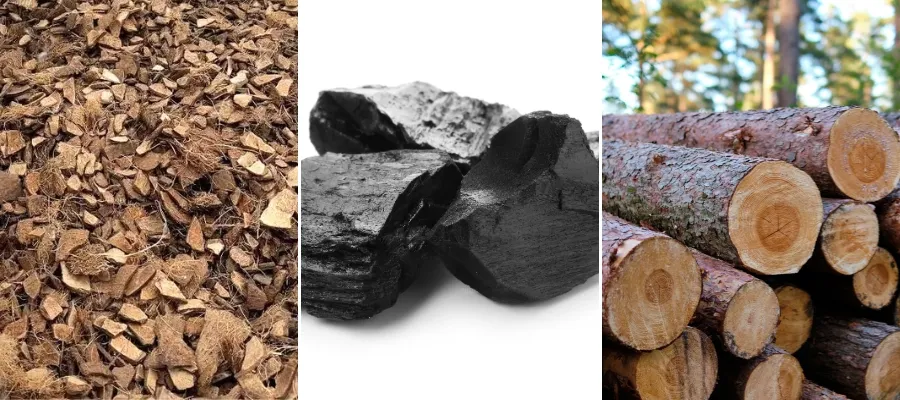
- Coconut shell: Produces premium-grade activated carbon with high hardness, low ash content, and a well-developed micropore structure. It is the most expensive raw material due to limited global supply and high processing costs.
- Coal (bituminous, anthracite, lignite): More abundant and less expensive than coconut shell. Coal-based carbon is widely used in industrial water treatment and gas adsorption applications.
- Wood: Relatively low cost and commonly used for powdered activated carbon in food-grade decolorization. However, wood-based carbon generally has lower hardness.
As a general rule: coconut shell carbon > coal-based carbon > wood-based carbon in terms of price per unit weight.
Contact me todayActivated Carbon Form and Particle Size
Activated carbon is available in several physical forms, each produced through different manufacturing processes — and each carries a different price point:
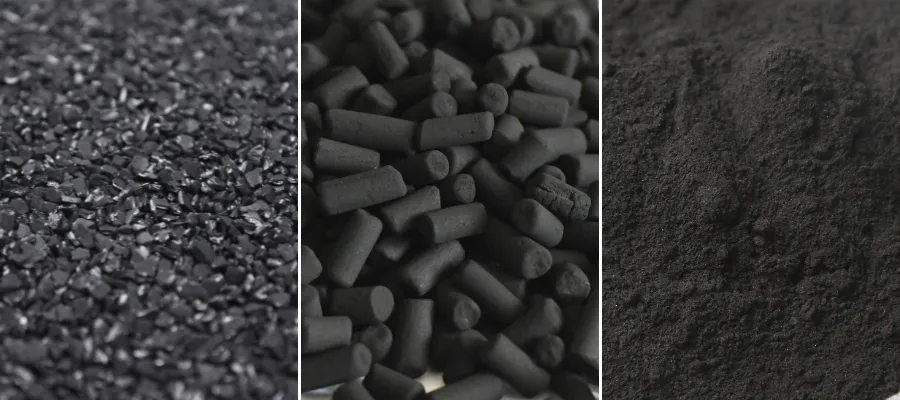
Pellet and impregnated grades typically carry premium pricing due to the additional processing steps involved.
Contact me todayActivation Method and Processing Conditions
There are two primary activation methods, each affecting production costs differently:
- Steam/gas activation (physical activation): Uses steam or CO₂ at high temperatures (800–1100°C). This is the most common method and generally cost-effective for large-scale production.
- Chemical activation: Uses agents like zinc chloride (ZnCl₂), phosphoric acid (H₃PO₄), or potassium hydroxide (KOH) before carbonization. This method offers better control over pore structure but adds chemical costs and requires additional washing steps, increasing the overall price.
Higher activation temperatures and longer processing times also increase energy consumption, which is directly reflected in the final product cost.
Performance Specifications and Quality Grade
Activated carbon is sold across a wide range of quality grades. Key performance parameters — and how they affect price — include:
- Iodine number (mg/g): A measure of micropore adsorption capacity. Higher iodine numbers (e.g., 1100–1200 mg/g) indicate superior quality and higher cost.
- BET surface area (m²/g): Determines total adsorption capacity. Carbon with surface area >1000 m²/g commands premium pricing.
- CTC (Carbon Tetrachloride Activity %): Indicates macropore adsorption capacity, critical for gas-phase applications.
- Ash content: Lower ash content means higher purity and is especially important for food and pharmaceutical grades.
- Hardness / Abrasion number: Higher hardness reduces dust generation and extends service life, but increases production cost.
- Moisture content: Excess moisture adds weight without adsorption value; low-moisture products are more cost-efficient per unit of active material.
Food-grade and pharmaceutical-grade activated carbon must meet strict regulatory standards (e.g., NSF/ANSI 61, food additive approvals), which adds testing and compliance costs.
Contact me todayOrder Volume and Packaging
Like most industrial materials, activated carbon pricing scales significantly with order quantity:
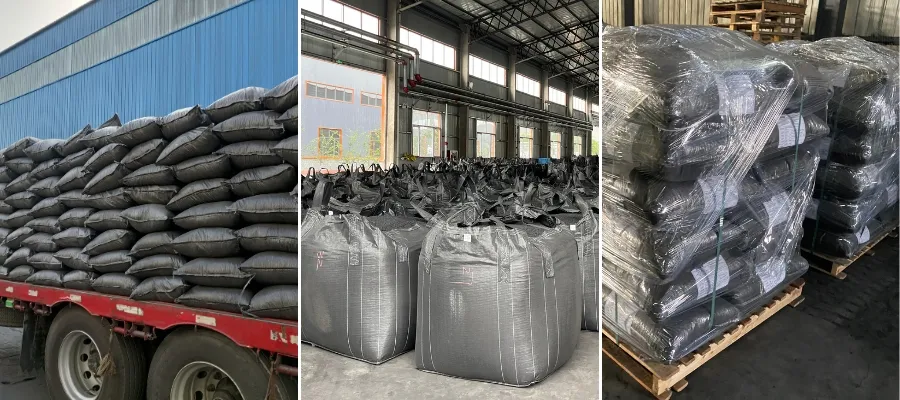
- Small orders (25–500 kg): Higher per-unit cost due to handling, packaging, and logistics overhead.
- Medium orders (1–20 MT): Moderate pricing; most suppliers offer volume discounts at this tier.
- Large orders (FCL, 20+ MT): Best pricing, often with dedicated production runs and customized specifications.
Packaging type also matters: carbon supplied in 25 kg bags, jumbo bags (500 kg), or bulk containers each carries different handling and logistics costs. Bulk container shipments (without individual bags) are generally the most cost-efficient option for high-volume buyers.
Raw Material and Energy Market Fluctuations
Activated carbon production is energy-intensive, and its pricing is closely tied to global commodity markets:
- Coconut shell supply: Prices fluctuate with coconut harvest cycles in major producing countries (Philippines, Indonesia, India). Drought, crop disease, or export restrictions can cause significant price spikes.
- Coal prices: For coal-based carbon, the price of metallurgical or steam coal directly impacts raw material costs.
- Natural gas and electricity costs: High-temperature activation requires substantial energy input. Rising energy prices are quickly passed through to activated carbon pricing.
- Chemical reagent prices: For chemically activated carbon, the cost of phosphoric acid, KOH, or ZnCl₂ contributes to the final price.
Shipping Distance and Logistics Costs
Activated carbon is a bulk, low-density material, making freight costs a significant portion of the delivered price:
- Origin country: Major producers include China, Sri Lanka, India, the Philippines, and the United States. Shipping costs vary significantly depending on origin and destination.
- Freight mode: Sea freight (FCL/LCL) is the most economical for international orders. Air freight is rarely justified except for urgent, small-volume specialty shipments.
- Import duties and tariffs: Depending on the importing country, activated carbon may be subject to customs duties that add to the landed cost.
- Lead time: Rush orders often carry a premium due to expedited logistics or production scheduling.
Supplier Type and Market Channel
Where you buy activated carbon also affects the price you pay:
- Direct manufacturer: Generally offers the lowest prices and the ability to customize specifications. Minimum order quantities (MOQ) are usually higher.
- Distributor or trading company: Offers more flexibility on order sizes and faster local delivery, but at a markup over factory pricing.
- Spot market and long-term contracts: Buyers with long-term supply agreements typically secure better pricing stability and preferred service terms.
Certifications and Compliance Requirements
Activated carbon intended for regulated applications must meet specific standards, which adds to production and testing costs:
- NSF/ANSI 61: Required for drinking water contact applications in North America.
- Food-grade certifications: Compliance with EU food additive regulations (E153) or FDA standards for food-contact applications.
- ISO 9001 / Quality Management: Certified manufacturers invest in quality systems that support consistent product performance.
Products requiring third-party testing, documentation, and regulatory approval will always carry a premium over standard industrial-grade material.
How to Get the Best Value When Buying Activated Carbon
Understanding price factors is the first step. Here are practical tips to optimize your procurement:
- Match the grade to your application: Don’t over-specify. If your process doesn’t require food-grade certification or an iodine number above 1000, you’re paying for quality you don’t need.
- Consolidate orders: Larger, less frequent orders almost always yield better per-unit pricing than multiple small orders.
- Request samples: Always verify key performance parameters (iodine number, ash content, moisture) before committing to large volumes.
- Consider total cost of ownership: A slightly higher-priced carbon with longer service life and better regeneration performance may be more economical than a cheaper alternative that needs frequent replacement.
- Work with a reliable manufacturer: Consistent quality, transparent pricing, and technical support from an experienced supplier reduce hidden costs and operational risks.
Conclusion
Activated carbon pricing is shaped by a complex interplay of raw material costs, manufacturing processes, product specifications, order volume, logistics, and market conditions. By understanding these factors, buyers can make more informed decisions — choosing the right product at the right price for their specific application.
Tingyuan Carbon is a professional activated carbon manufacturer offering a full range of coconut shell, coal-based, and wood-based activated carbon products for industrial, food, pharmaceutical, and environmental applications. Contact us for competitive pricing, free samples, and expert technical support.