

Among the various performance indicators of activated carbon, the molasses number is a crucial yet frequently overlooked parameter. For application scenarios involving decolorization and the removal of macromolecular organic compounds (such as sugar liquor processing, food production, and wastewater treatment), the molasses number is often more referential than the iodine number.
This article systematically introduces the definition, working principle, testing methods, and practical selection applications of the molasses number, enabling purchasers and engineers to select suitable activated carbon products in a more scientific manner.
What Is the Molasses Number?
The molasses number is a core indicator for measuring the adsorption capacity of activated carbon toward macromolecular organic matter, and it is primarily used to evaluate its performance in decolorization and macromolecular impurity removal.
In simple terms:
A higher molasses number indicates a stronger adsorption capacity of activated carbon for macromolecular substances.
Expressed as a percentage (%) or a numerical value, the molasses number reflects the decolorization efficiency of activated carbon against standard molasses solutions.
Contact me todayAdsorption Principle of the Molasses Number
The adsorption performance of activated carbon stems from its highly developed pore structure, which is categorized as follows:
- Micropores (<2 nm): Adsorb small molecules (e.g., iodine)
- Mesopores (2–50 nm): Adsorb medium-sized molecules
- Macropores (>50 nm): Adsorb macromolecules (e.g., pigments and colloidal substances)
Molasses contains abundant substances including:
- Pigments
- Colloidal impurities
- Macromolecular organic compounds
Therefore, the molasses number mainly reflects the development degree of the mesopore and macropore structure of activated carbon.
Testing Method for the Molasses Number
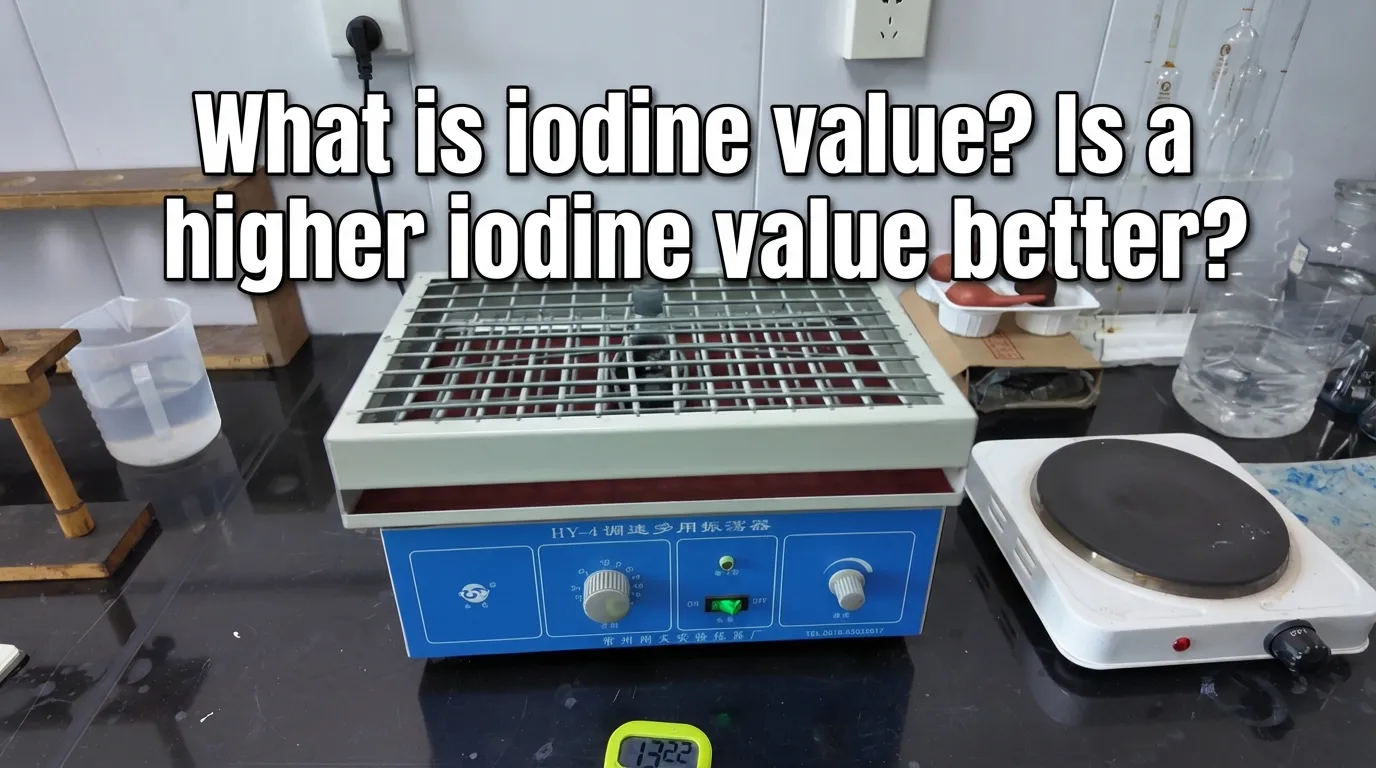
The molasses number is determined through standardized laboratory tests, with the basic procedures as follows:
- Prepare a standard molasses solution
- Add a fixed dosage of activated carbon
- Perform adsorption under specified stirring and environmental conditions
- Filter the mixed solution and measure the color difference
- Calculate the decolorization rate to obtain the final molasses number
Essentially, this method assesses activated carbon performance by comparing the color variance of the solution before and after treatment.
Contact me todayDifferences Between Molasses Number and Iodine Number
These two indicators are often confused by purchasers, while they represent distinct adsorption capacities:
| Indicator | Molasses Number | Iodine Number |
|---|---|---|
| Adsorption Target | Macromolecular organic matter | Small molecular substances |
| Reflected Pore Structure | Mesopores + Macropores | Micropores |
| Typical Applications | Decolorization, wastewater treatment | Water purification, gas adsorption |
| Numerical Implication | Higher values mean better performance | Higher values mean better performance |
Typical Application Fields of the Molasses Number

Since the molasses number characterizes the adsorption capacity for macromolecular organics and pigment substances, it is prioritized in all processes requiring decolorization, chroma reduction and macromolecular pollutant removal.
Decolorization in the Food Industry
- Sugar liquor decolorization
- Edible oil decolorization
- Fruit juice purification
Wood-based powdered activated carbon with a high molasses number is commonly used in this field.
Industrial Wastewater Treatment
- Printing and dyeing wastewater
- Chemical wastewater
- Pharmaceutical wastewater
It is widely applied to remove:
- Water chroma
- Chemical Oxygen Demand (COD)
- Macromolecular pollutants
Chemical and Sugar Refining Industry
In sugar refineries, activated carbon eliminates impurities in molasses to enhance product purity and quality.
Contact me todayHow to Select Activated Carbon Based on Molasses Number
The following criteria can be referenced for industrial procurement and selection:
High Molasses Number (>200)
Suitable for:
- High-standard decolorization processes
- Food-grade production applications
- Fine chemical industry
Medium Molasses Number (150–200)
Suitable for:
- Conventional industrial wastewater treatment
Low Molasses Number (<150)
Suitable for:
- Scenarios with low decolorization requirements
Factors Affecting the Molasses Number
Multiple key factors influence the molasses number of activated carbon:
- Raw material type (wood-based > coconut shell-based > coal-based)
- Activation production process
- Pore size distribution
- Particle size (powdered carbon generally has a higher molasses number)
Summary
The molasses number is a vital indicator for assessing the decolorization capability and macromolecular adsorption performance of activated carbon, especially for the food processing and wastewater treatment industries.
Key takeaways for activated carbon selection:
- Do not rely solely on the iodine number
- Evaluate comprehensive performance combined with the molasses number
- Select activated carbon with a targeted pore structure based on actual application scenarios
Contact our professional team now to obtain customized selection recommendations and free sample testing services.