
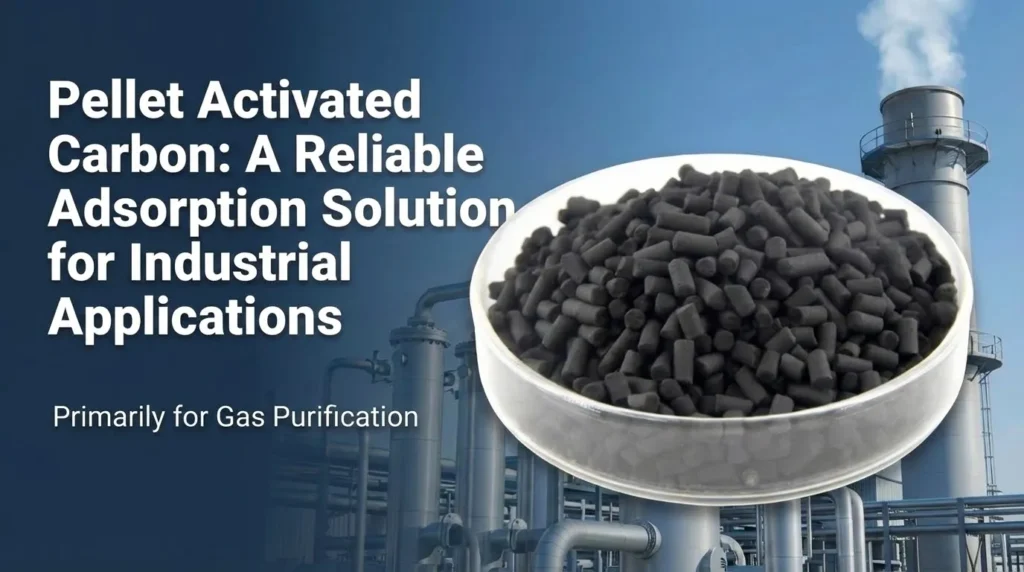
In the fields of industrial exhaust gas treatment, water purification, and gas purification, the stability and service life of adsorption materials are crucial. Pelletized activated carbon (also known as extruded activated carbon) has become the preferred adsorption medium in many industrial systems due to its high mechanical strength, low pressure drop, and suitability for continuous operation.
This article provides a systematic introduction to the raw materials, performance characteristics, application fields, and selection guidelines of pelletized activated carbon, helping users make more informed and scientific product choices.
What Is Pelletized Activated Carbon?
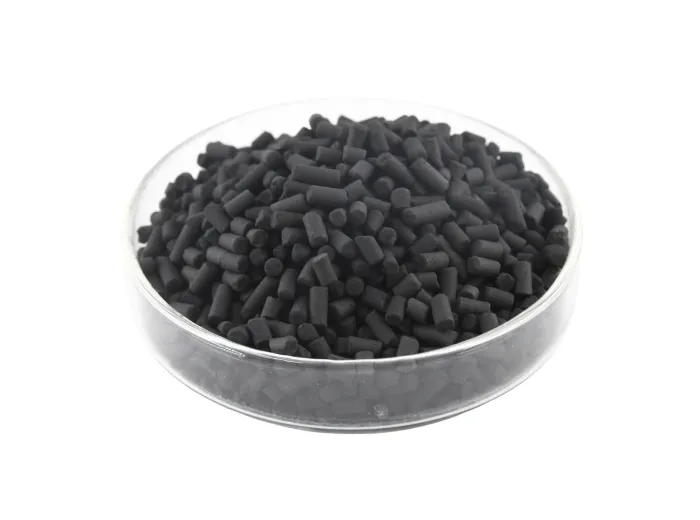
Pelletized activated carbon is manufactured from coal-based raw materials (anthracite or bituminous coal), coconut shell, or wood-based materials through a series of processes including crushing, mixing, extrusion molding, high-temperature carbonization, and activation. The product is formed into cylindrical pellets, with common diameters of 1.5 mm, 3 mm, 4 mm, and 5 mm.
Its uniform cylindrical structure allows gases or liquids to pass through the carbon bed with lower resistance, making it particularly suitable for large airflows and continuously operating industrial systems.
Production Process of Pelletized Activated Carbon: From Raw Materials to Stable Adsorption Performance
The adsorption capacity, mechanical strength, and service life of pelletized activated carbon are all derived from a strict and well-controlled manufacturing process.
Raw Material Selection and Pretreatment
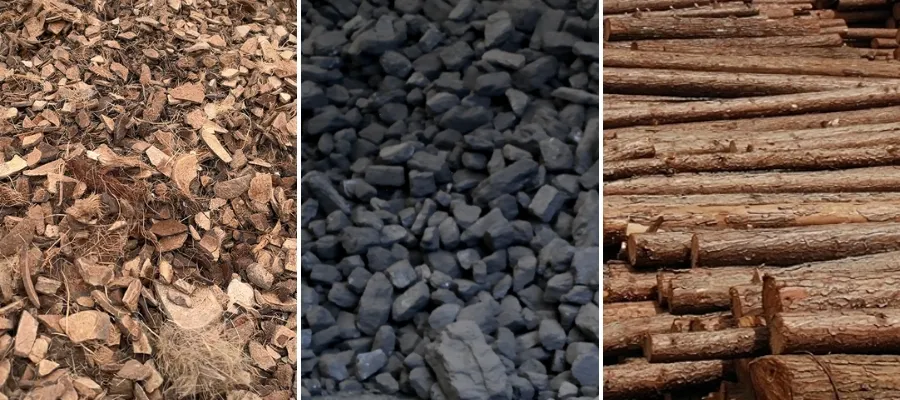
Pelletized activated carbon is typically produced from high-quality anthracite, bituminous coal, coconut shell, or wood-based materials. Before production, raw materials undergo rigorous selection and crushing to ensure:
- High purity with low impurity content
- Uniform particle size to facilitate subsequent molding
- Controlled ash and metal content
A stable raw material supply is the first step in ensuring consistent product quality across batches.
Formulation and Mixing
The crushed raw materials are blended with binders and necessary additives according to specific formulations. This stage directly affects:
- The mechanical strength of the pellet structure
- Stability during subsequent carbonization and activation processes
Experienced suppliers typically adjust formulations based on application requirements to achieve an optimal balance between mechanical strength and adsorption performance.
Extrusion Molding (Pellet Formation)
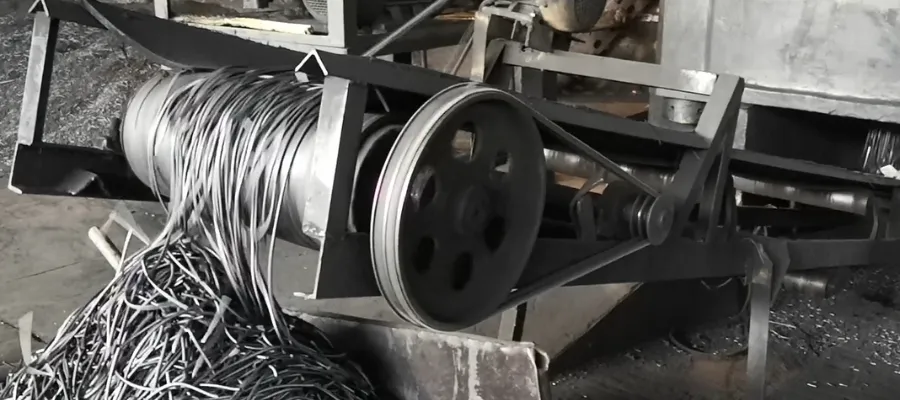
The homogenized mixture is processed through extrusion equipment to form uniform, well-defined cylindrical pellets, which are then cut to the required length.
Common pellet diameters include 1.5 mm, 3 mm, 4 mm, and 5 mm.
This step determines:
- Pellet size consistency
- Bed porosity
- Pressure drop performance in actual operation
High-precision molding equipment is a key factor in producing industrial-grade pelletized activated carbon.
Carbonization
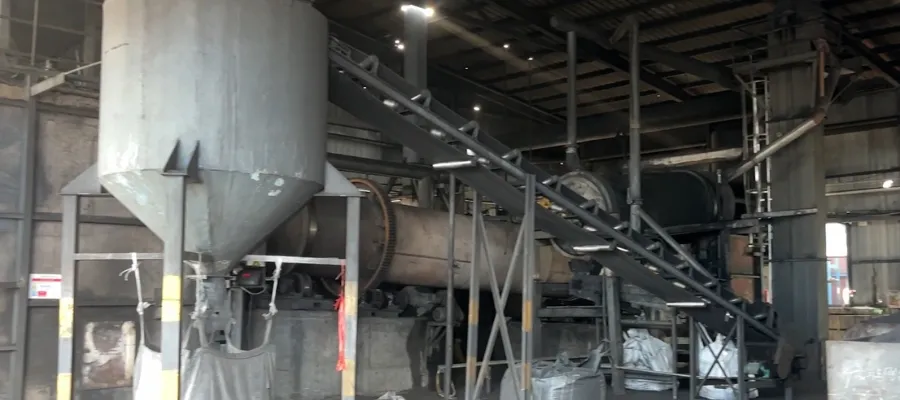
The formed pellets are carbonized at high temperatures under oxygen-free or low-oxygen conditions. This process decomposes organic components and creates the initial carbon skeleton structure.
Carbonization lays the foundation for pore development and enhances the overall structural stability of the material.
High-Temperature Activation (Critical Step)
The carbonized material is activated at high temperatures using steam or carbon dioxide. This is the core process that determines the adsorption capacity and pore structure distribution of pelletized activated carbon.
By precisely controlling:
- Activation temperature
- Activation time
- Activation medium
Different proportions of micropores and mesopores can be developed to meet the requirements of VOC adsorption, gas purification, and solvent recovery, among other applications.
Screening, Testing, and Quality Control
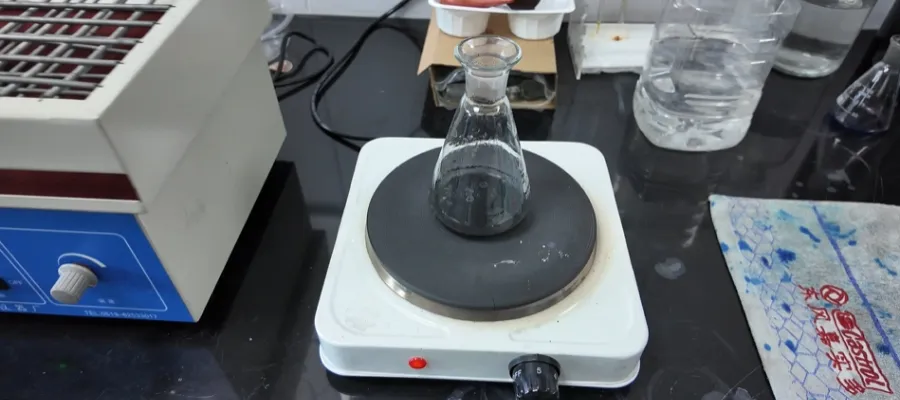
After activation, the product undergoes screening, cooling, and comprehensive performance testing, including:
- Pellet size and length distribution
- Mechanical strength and abrasion resistance
- Iodine number or CTC adsorption value
- Moisture and ash content
Professional suppliers typically conduct multi-batch sampling and final inspections to ensure stable performance during long-term operation.
Functionalization (Optional)
For specialized applications such as desulfurization, deodorization, or mercury removal, additional treatments may be applied at this stage, including:
- Sulfur or alkaline impregnation
- Loading of metal salts or catalysts
These processes require advanced technical expertise and strict safety controls and are usually carried out by manufacturers with mature production capabilities.
Contact me todayWhy Is the Production Process So Important When Selecting a Supplier?
From a supplier’s perspective, pelletized activated carbon is far more than simple “black granules.” It is a highly engineered industrial product whose performance depends heavily on precise process control.
A stable and well-controlled production process ensures:
- Consistent performance across batches
- Predictable service life
- Lower operational and maintenance risks
For this reason, industrial users should not base their purchasing decisions on price alone when selecting pelletized activated carbon.
Core Advantages of Pelletized Activated Carbon
Extruded activated carbon demonstrates outstanding performance in industrial applications due to its regular columnar structure and stable pore system. It offers the following advantages:
High Mechanical Strength and Abrasion Resistance
Pelletized activated carbon typically exhibits high compressive strength and low attrition rates. It is resistant to breakage during loading, backwashing, and long-term operation, effectively reducing system blockage and carbon fines loss.
Low Pressure Drop and Stable Operation
The uniform cylindrical structure creates an optimal bed porosity, allowing gases or liquids to pass through with minimal resistance. This makes pelletized activated carbon well suited for high flow rates and large-volume treatment systems.
Customizable Adsorption Performance
By adjusting the activation process, pelletized activated carbon can be engineered with different pore size distributions to meet specific requirements, such as small-molecule gas adsorption or organic vapor removal.
Long Service Life and Lower Total Cost
Compared with powdered activated carbon, pelletized activated carbon is better suited for continuous, long-term operation. Reduced replacement frequency helps lower the overall operating and lifecycle costs.
Common Types of Pelletized Activated Carbon and Application Differences
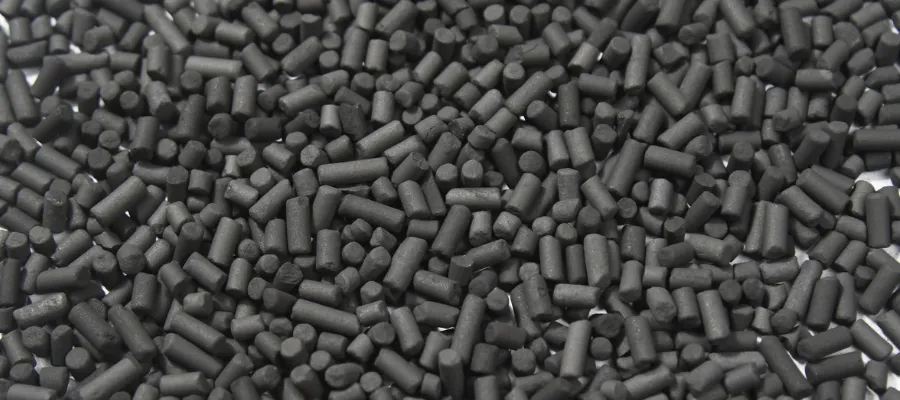
Based on raw material selection, pelletized activated carbon varies significantly in pore structure, mechanical strength, and suitable operating conditions. The three main types are outlined below.
Coal-Based Pellet Activated Carbon
Coal-based pelletized activated carbon is produced from high-quality anthracite or bituminous coal through extrusion and high-temperature activation. It is the most widely used and versatile type in industrial applications.
Performance Characteristics:
- Balanced micropore and mesopore structure, offering both high adsorption capacity and fast kinetics
- High mechanical strength, excellent abrasion resistance, and low attrition
- Capable of long-term stable operation under high flow rates and large air volumes
Typical Applications:
- Industrial exhaust gas treatment (VOCs, solvent vapors)
- Odor control in chemical, coating, and electronics industries
- Solvent recovery and adsorption–desorption systems
- Basic purification of biogas and industrial gases
Supplier Selection Guidelines:
Coal-based pelletized activated carbon is ideal for projects with strict requirements for strength, service life, and cost control. Buyers should focus on mechanical strength indicators, ash content control, and batch-to-batch consistency.
Coconut Shell Pellet Activated Carbon
Coconut shell pelletized activated carbon is produced from natural coconut shells. While retaining the structural advantages of pelletized carbon, it also offers the high microporosity and purity typical of coconut shell activated carbon. This makes it a more premium, precision-oriented product.
Performance Characteristics:
- Highly developed micropore structure with excellent adsorption of small-molecule gases
- Low ash content and minimal impurities, ensuring high cleanliness
- Strong adsorption selectivity, suitable for applications with stringent outlet gas quality requirements
Typical Applications:
- High-performance air purification systems
- Gas purification in fine chemical and electronics manufacturing
- Gas or liquid purification processes sensitive to impurities
Supplier Selection Guidelines:
Coconut shell pelletized activated carbon requires strict control of raw material quality and processing techniques. It is recommended to choose suppliers with stable coconut shell sourcing and proven extrusion expertise to ensure a proper balance between strength and adsorption performance.
Wood-Based Pellet Activated Carbon
Wood-based pelletized activated carbon is typically manufactured from high-quality pine or hardwood. It is dominated by mesopores and macropores, making it well suited for the efficient removal of specific adsorption targets.
Performance Characteristics:
- High proportion of mesopores and macropores, offering strong adsorption of large organic molecules
- High porosity, facilitating rapid diffusion and mass transfer
- Large adsorption capacity and long service life
- Directional pore structures achievable through process optimization
Typical Applications:
- Industrial exhaust gas treatment, VOC removal, and air purification
- Particularly suitable for gas-phase processes requiring low pressure drop and high efficiency
- Applications with strong environmental performance requirements
Supplier Selection Guidelines:
Wood-based pelletized activated carbon is ideal for customers prioritizing adsorption selectivity and environmental attributes. Attention should be given to the supplier’s ability to control pore size distribution and provide reliable application performance data.
Contact me todayMain Application Areas of Pelletized Activated Carbon
Thanks to its excellent adsorption performance, pelletized activated carbon is widely used in industrial systems.
Industrial Exhaust Gas Treatment
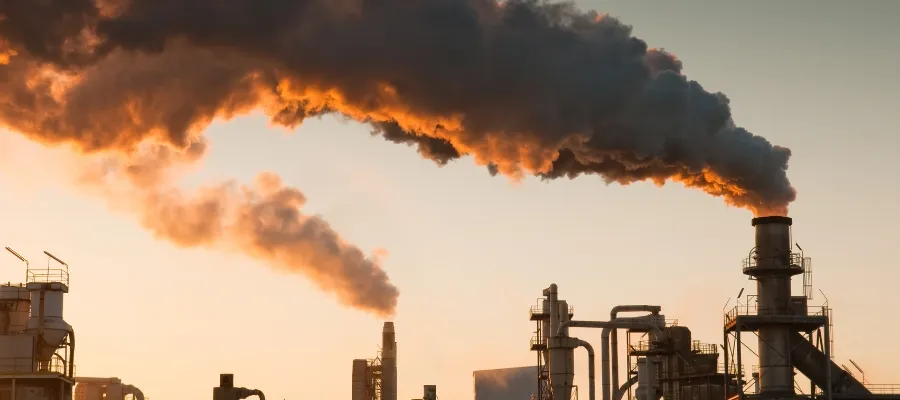
Pelletized activated carbon is a core adsorption material in industrial volatile organic compound (VOC) control systems, effectively removing a wide range of organic vapors and harmful gases.
Typical target compounds:
- Benzene, toluene, and xylene
- Alcohols, ketones, and ester solvents
- Organic exhaust gases generated during coating, printing, and chemical processes
Application advantages:
- Low pressure drop, suitable for large air volumes
- Fast adsorption kinetics and stable operation
- Compatible with fixed-bed and modular adsorption systems
Gas Purification, Desulfurization, and Deodorization
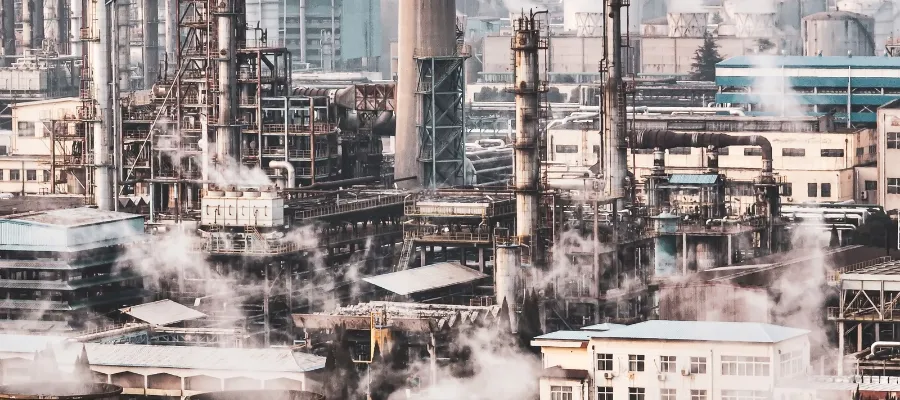
In biogas, natural gas, and industrial off-gas treatment, pelletized activated carbon is widely used for gas purification and pretreatment.
Main applications include:
- Removal of hydrogen sulfide (H₂S)
- Industrial odor control
- Purification of biogas and landfill gas
In these applications, pelletized activated carbon is often combined with impregnation technologies to enhance desulfurization and deodorization efficiency.
Biogas and Energy Gas Treatment
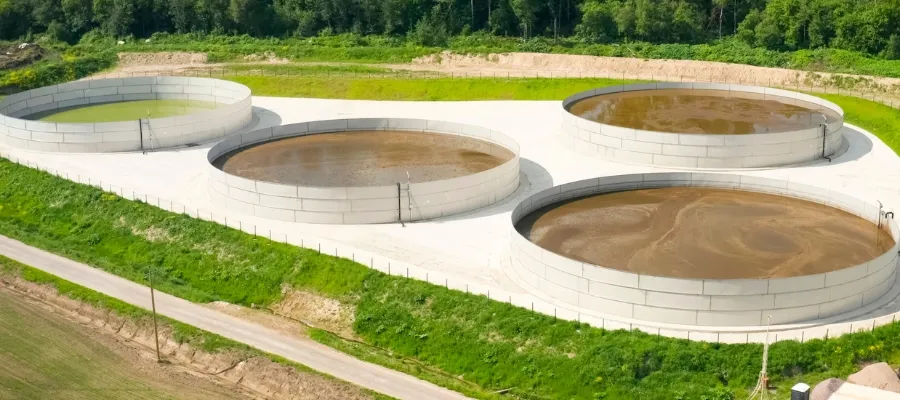
In biogas power generation and energy recovery systems, pelletized activated carbon is used to remove harmful impurities and protect downstream equipment.
Key functions:
- Removal of H₂S to prevent corrosion of engines and pipelines
- Reduction of siloxane damage to combustion equipment
- Improvement of gas quality and extension of equipment service life
With its stable structure, pelletized activated carbon is well suited for long-term continuous operation and is a common choice in biogas purification systems.
Solvent Recovery Systems
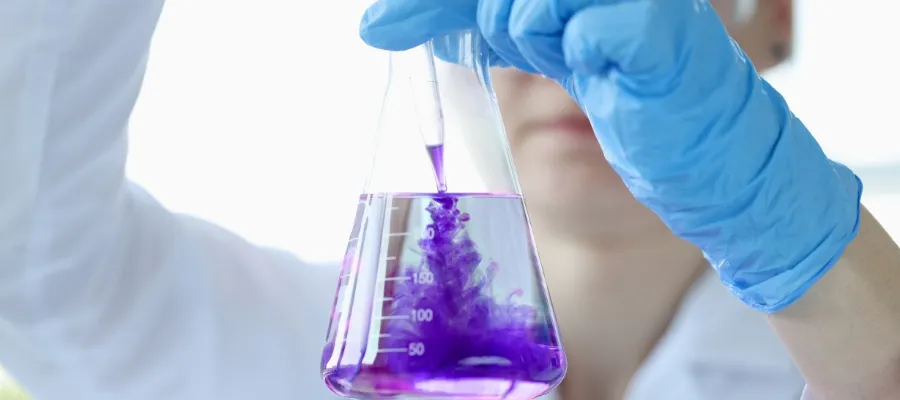
In the chemical, pharmaceutical, and electronics manufacturing industries, pelletized activated carbon is widely applied in solvent recovery and adsorption–desorption systems.
Application features:
- Regenerable and reusable over multiple cycles
- High mechanical strength, suitable for frequent desorption
- Helps reduce solvent consumption and overall production costs
Odor Control and Air Purification
Pelletized activated carbon is extensively used for odor control in industrial and public environments, such as:
- Waste treatment facilities
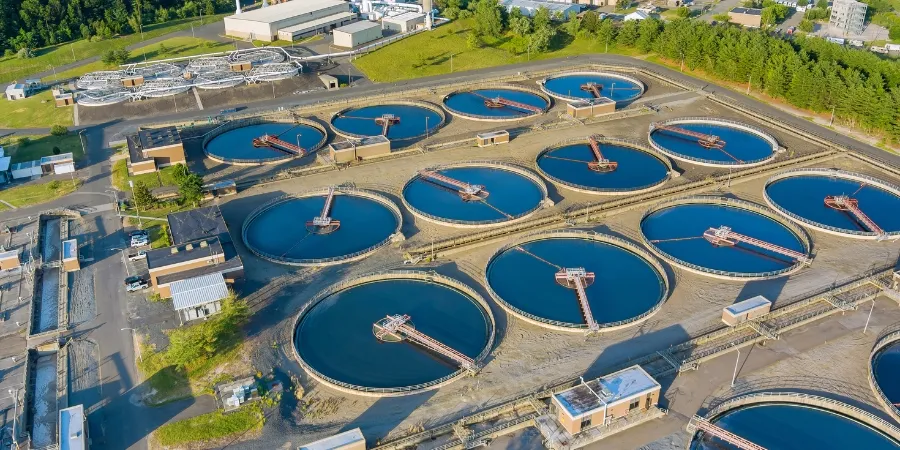
- Wastewater treatment plants
- Chemical and pharmaceutical plants
With proper product selection, it can effectively adsorb sulfides, amines, and other odor-causing gases.
Contact me todayHow to Select the Right Extruded Activated Carbon?
From a professional supplier’s perspective, “suitability” is always more important than simply pursuing higher specifications. Industrial users should focus on the following key aspects:
Define Operating Conditions, Not Just Performance Numbers
Before selecting pelletized activated carbon, the following factors should be clearly identified:
- Treatment medium (air, biogas, industrial exhaust, or water)
- Types and concentrations of target contaminants
- Flow rate, temperature, humidity, and operating mode
Different operating conditions require different pore structures, pellet sizes, and surface chemistries.
Select the Appropriate Pellet Size
- 3–4 mm: Well-balanced performance, most widely used
- 1.5–2 mm: Faster adsorption kinetics but higher pressure drop
- ≥ 5 mm: Suitable for large air volumes and low-resistance systems
Professional suppliers typically recommend the optimal size based on system design rather than offering a single standard grade.
Focus on the “Relevance” of Key Performance Indicators
Common reference parameters include:
- Specific surface area
- Iodine number or CTC adsorption value
- Mechanical strength, ash content, and moisture content
These indicators must be interpreted in the context of the actual application, rather than compared solely by numerical values.
Determine Whether Functional or Impregnated Carbon Is Required
For specialized applications such as desulfurization, mercury removal, or deodorization, standard pelletized activated carbon may not be sufficient. In such cases, the use of:
- Sulfur-impregnated activated carbon
- Iodine- or metal-salt-impregnated activated carbon
may be necessary. Experienced suppliers typically offer customized impregnation and performance testing capabilities.
Contact me todayKey Factors to Consider When Choosing an Activated Carbon Supplier
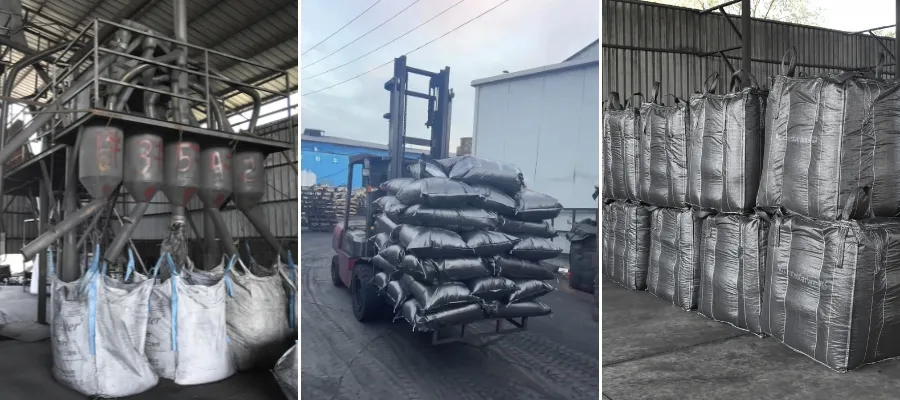
In practical projects, a supplier’s technical expertise is often more important than unit price.
Application-Oriented Selection Expertise
A qualified activated carbon supplier not only provides products but also assists customers with application-specific selection, helping reduce trial-and-error costs.
Product Quality Consistency
For long-term operating systems, batch-to-batch consistency is critical, including:
- Stable adsorption performance
- Consistent pellet size and mechanical strength
- A traceable quality control system
Support for Sample Testing and Technical Communication
Professional suppliers typically provide:
- Sample testing
- Technical parameter comparisons
- Application recommendations and replacement cycle assessments
This is especially important for first-time purchases or new projects.
Supply Capacity and Delivery Reliability
Most industrial users place high importance on supply stability. Suppliers with mature production systems and inventory management capabilities are better positioned to ensure uninterrupted project operation.
Conclusion
With its unique structural design and outstanding performance characteristics, pelletized activated carbon plays a central adsorption role in industrial purification systems.
TingyuanCarbon provides high-quality pelletized activated carbon products. We welcome you to contact us for free sample testing and customized solutions.