
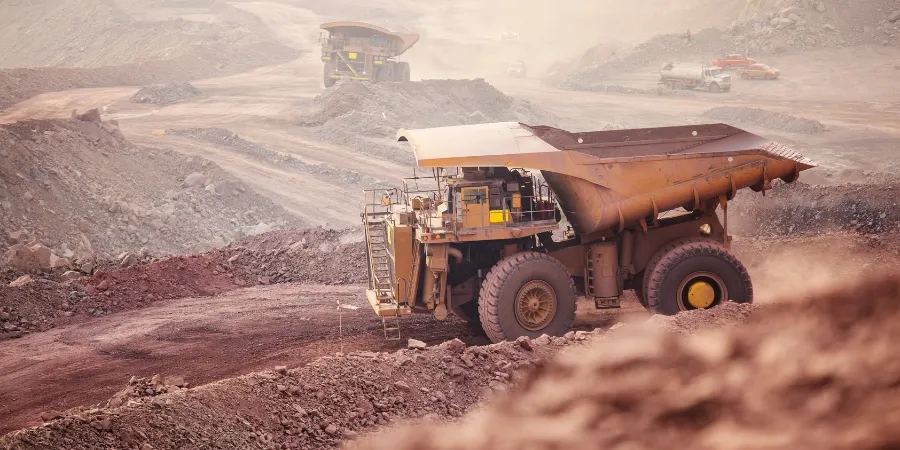
In the gold extraction industry, activated carbon is not merely an adsorbent material — it is one of the core factors determining gold recovery rates and overall production costs. Especially in CIP (Carbon in Pulp) and CIL (Carbon in Leach) processes, the hardness of gold recovery carbon directly affects adsorption efficiency, service life, and total operating costs.
Many procurement managers focus only on iodine value or CTC value, while overlooking a critical parameter — Hardness. In reality, hardness often determines whether a batch of carbon is truly “durable and cost-effective.”
What Is the Hardness of Gold Recovery Carbon?
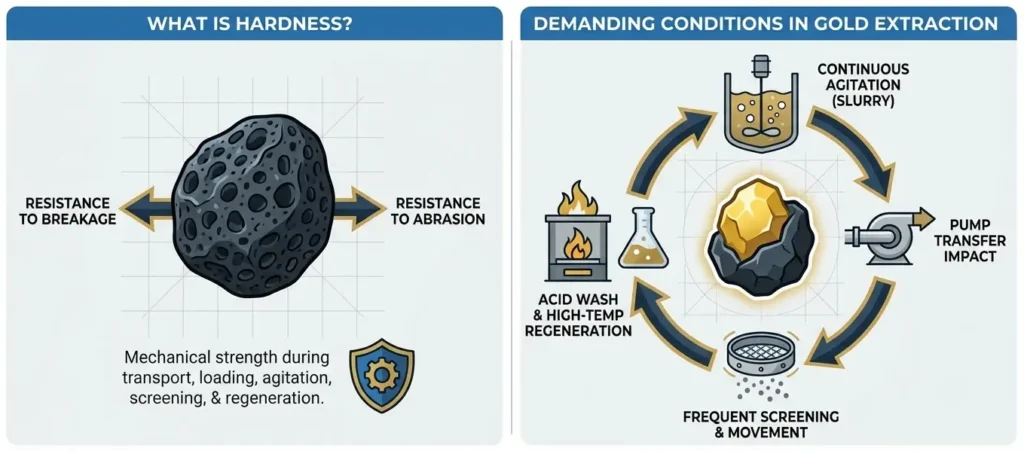
Activated carbon hardness refers to its ability to resist breakage and abrasion during transportation, loading, agitation, screening, and regeneration. It reflects the carbon’s mechanical strength and wear resistance.
In gold extraction operations, activated carbon operates under highly demanding conditions:
- Continuous agitation in slurry
- Pump transfer impact
- Frequent screening and movement
- Repeated acid washing and high-temperature regeneration
If the carbon hardness is insufficient, particles gradually break under mechanical friction and impact, generating excessive fines. This not only disrupts system performance but also causes carbon loss and gold loss.
In practical applications, gold recovery carbon typically requires a hardness of ≥95% (ASTM standard). High-end mining operations may even require ≥97% to ensure long-term stable performance.
Contact me todayWhy Is Hardness So Important in Gold Recovery Carbon?
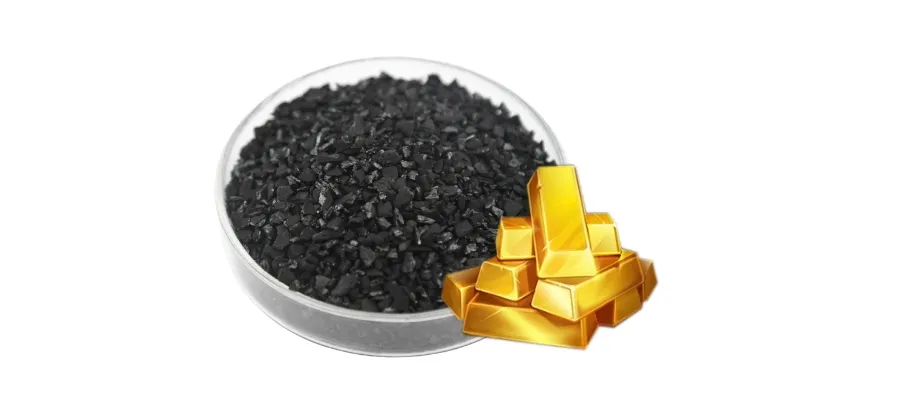
In gold extraction and recovery processes, carbon hardness plays a crucial role.
Reduced Carbon Loss and Lower Production Costs
In CIP/CIL systems, carbon repeatedly undergoes:
- Agitation
- Pumping
- Screening
- Backwashing
- Acid washing
- Thermal regeneration
If hardness is low, carbon particles are more likely to fracture and produce fines. These fines:
- Are easily lost with slurry flow
- Cannot be effectively recovered by screening
- Increase overall carbon consumption
Over time, this significantly raises operating costs.
Prevention of Screen Blockage
Fines generated from broken carbon can clog screens and reduce the separation efficiency between carbon and slurry.
This may result in:
- Production downtime for cleaning
- Reduced operational efficiency
- Higher maintenance costs
High-hardness gold recovery carbon significantly minimizes these issues.
Maintaining Stable Adsorption Performance
When activated carbon breaks down:
- Effective particle size decreases
- Pore structure may be damaged
- Adsorption kinetics become unstable
Especially in high-concentration gold cyanide complex solutions, structural integrity is critical.
High-hardness activated carbon preserves pore structure integrity, ensuring long-term stable adsorption performance.
Increased Regeneration Cycles
Gold recovery carbon typically undergoes multiple thermal regeneration cycles.
If hardness is low:
- Particles are more likely to powder after regeneration
- Service life is shortened
High-hardness coconut shell activated carbon can withstand repeated regeneration, significantly extending operational lifespan.
Contact me todayWhat Are the Typical Hardness Standards for Gold Carbon?
In the industry, premium gold recovery carbon usually features:
- Hardness ≥ 95%
- Low ash content
- High CTC value
- High mechanical strength
- Excellent abrasion resistance
For example, globally recognized companies such as Jacobi Carbons and Calgon Carbon strongly emphasize mechanical strength in their gold carbon products — highlighting the importance of hardness in the industry.
Our gold recovery carbon offers hardness levels above 98%, significantly enhancing gold recovery efficiency.
Relationship Between Hardness and Raw Materials
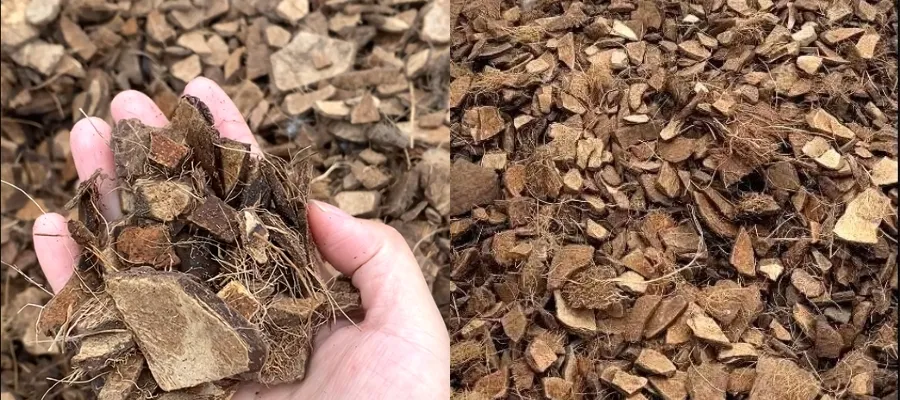
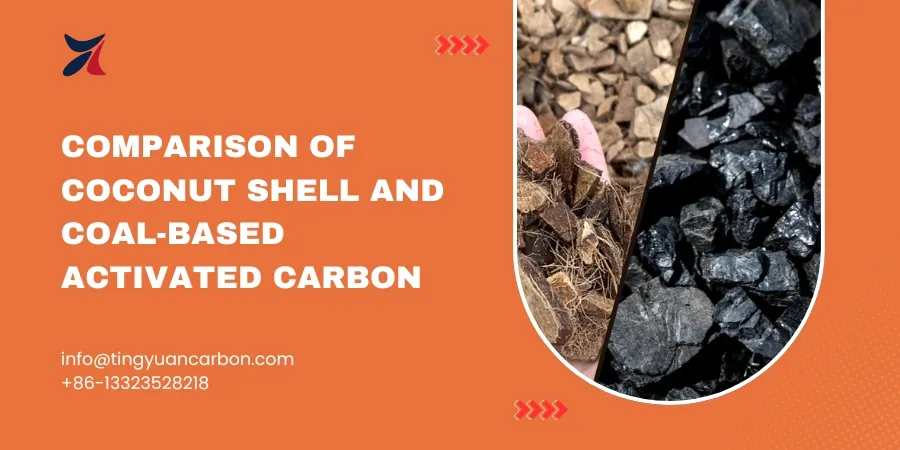
Why is coconut shell activated carbon particularly suitable for gold recovery?
The answer lies in the nature of coconut shell raw material:
- High density
- Strong, rigid structure
- Well-developed microporosity
Compared with wood-based carbon or some coal-based carbons, coconut shell carbon is more wear-resistant and impact-resistant, making it the preferred choice for CIP/CIL applications.
Hidden Risks of Low Hardness
In actual mining operations, some mines experience:
- Abnormal increases in carbon consumption
- Fluctuating gold recovery rates
- Severe fines loss
- Reduced regeneration cycles
Upon investigation, the root cause is often the selection of carbon that does not meet hardness standards.
Focusing only on price during procurement while neglecting hardness ultimately leads to higher overall costs.
How to Select High-Hardness Gold Recovery Carbon
When selecting gold carbon, it is recommended to evaluate:
- Hardness test reports
- Actual abrasion resistance data
- Carbon loss records
- Regeneration cycle testing data
- Raw material source (premium coconut shell)
Do not rely solely on iodine value or CTC value — mechanical strength is equally important.
Contact me todayConclusion
In gold extraction processes, activated carbon is both an adsorbent and a consumable material.
However, by selecting high-hardness, high-strength gold recovery carbon, you can achieve:
- Reduced carbon loss
- More stable operations
- Increased regeneration cycles
- Lower total operating costs
Therefore, the hardness of gold recovery carbon is not just a technical parameter — it is a key factor determining the economic efficiency of mining operations.
Contact us today to request high-hardness gold carbon samples and customized solutions tailored to your operation.