
Activated carbon, as a highly efficient adsorption material, is widely used in the food and beverage industry, especially excelling in decolorization, impurity removal, and deodorization.
This article will explore in detail the specific applications and advantages of activated carbon in the food and beverage industry, helping customers select the highest-quality activated carbon products.
Unique Features of Activated Carbon
Activated carbon is a carbonaceous material with a highly porous structure, offering a surface area of 500–1500 square meters per gram. Through both physical and chemical adsorption mechanisms, activated carbon effectively captures dissolved substances in liquids or gases. Below are its key features:
- High Surface Area: The microporous structure of activated carbon provides numerous adsorption sites for pigment molecules, enabling rapid trapping and fixation of impurities.
- Strong Adsorption Capability: It exhibits strong adsorption for organic molecules (e.g., pigments, polyphenols, odor molecules) and effectively removes dissolved impurities.
- Chemical Stability: It remains stable in acidic, alkaline, and neutral environments, making it suitable for a variety of food and beverage processing scenarios.
- Customizability: Depending on the raw materials (e.g., wood, coconut shells, coal) and processes (physical or chemical activation treatment), activated carbon can be tailored with specific pore size distributions and adsorption properties to meet various needs.
Role of Activated Carbon in Food and Beverage Decolorization
During food and beverage production, natural pigments in raw materials or impurities introduced during processing may affect the appearance of the final product.
For example, syrups may appear brownish due to complex chemical reactions, while fruit juices may appear cloudy because of polyphenolic compounds. Activated carbon can effectively remove these unwanted pigments and impurities, improving the appearance and quality of the product.
Key Applications of Activated Carbon in the Food and Beverage Industry
Activated carbon is widely used in the food and beverage industry, particularly excelling in decolorization, purification, and impurity removal. Its main applications include:
Decolorization of Sugar Products
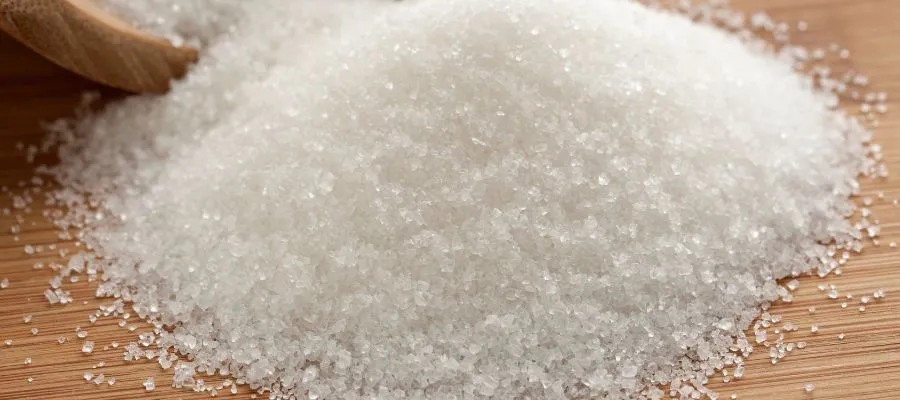
In the production of sugar products such as white sugar, glucose, and high fructose syrup, it is essential to remove natural pigments, caramelized substances, and other impurities. Activated carbon efficiently adsorbs pigments and organic impurities, significantly enhancing the transparency and purity of sugar products.
Purification of Fruit Juices and Soft Drinks
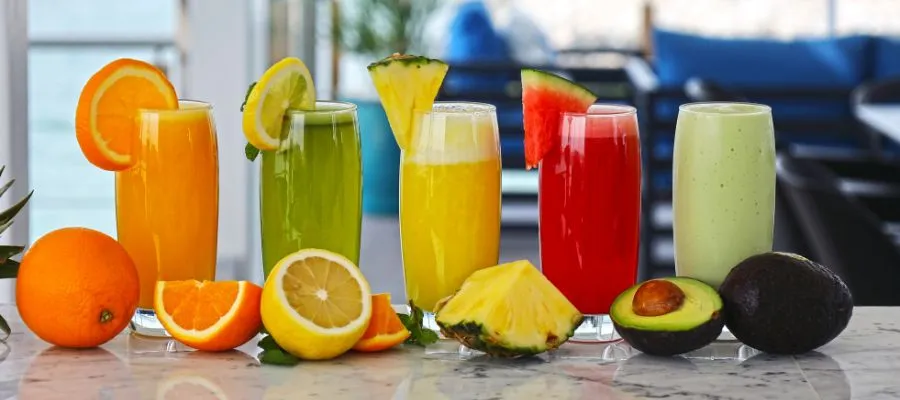
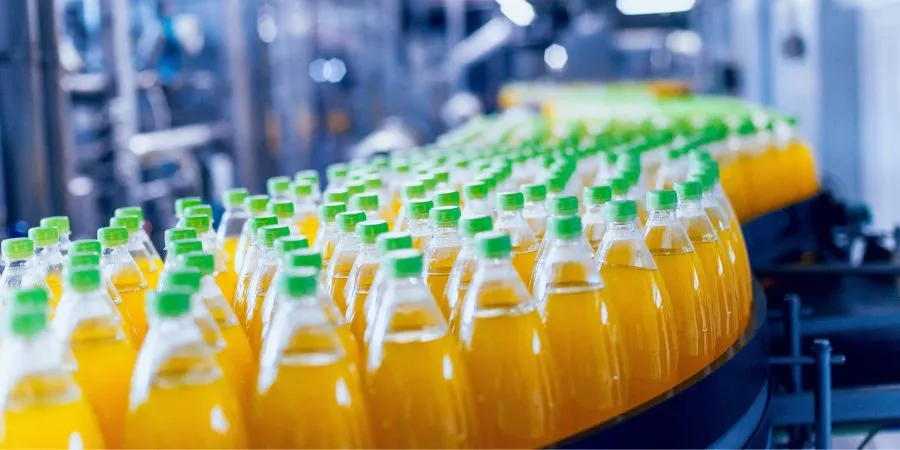
Fruit juices and soft drinks often contain natural pigments, polyphenolic compounds, and other impurities that can cause uneven coloration or affect taste. For instance, apple juice may discolor due to polyphenol oxidation. Activated carbon effectively removes these polyphenolic compounds, making the juice clearer and more visually appealing.
Refinement of Alcoholic Beverages
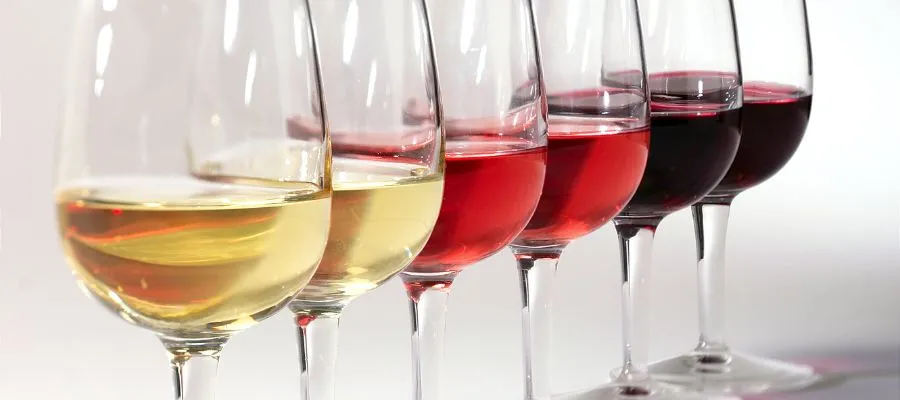
Activated carbon is commonly used in the production of alcoholic beverages such as spirits, beer, and wine to remove impurities and odors. For instance, during the fermentation of spirits, undesirable odors may develop, and activated carbon can adsorb these odor molecules without damaging the flavor profile. For red wine, activated carbon removes excess phenolic compounds, enhancing the stability of the wine.
Decolorization of Food Additives and Ingredients
During the production of food additives (e.g., citric acid, lactic acid, amino acids) and ingredients, raw materials or processes may cause darker colors or increased impurities. Activated carbon is highly effective in purifying these additives, improving their purity and quality.
Refinement of Plant Extracts
When extracting natural plant compounds (e.g., caffeine, tea polyphenols, plant pigments), activated carbon is used to remove non-target substances (e.g., excess pigments or impurities), ensuring a higher purity and better appearance of the extracts.
Contact me todayTypes of Activated Carbon for the Food and Beverage Industry
Based on application scenarios and production needs, TingyuanCarbon primarily offers the following two types of activated carbon for the food and beverage industry:
Wood-Based Powdered Activated Carbon
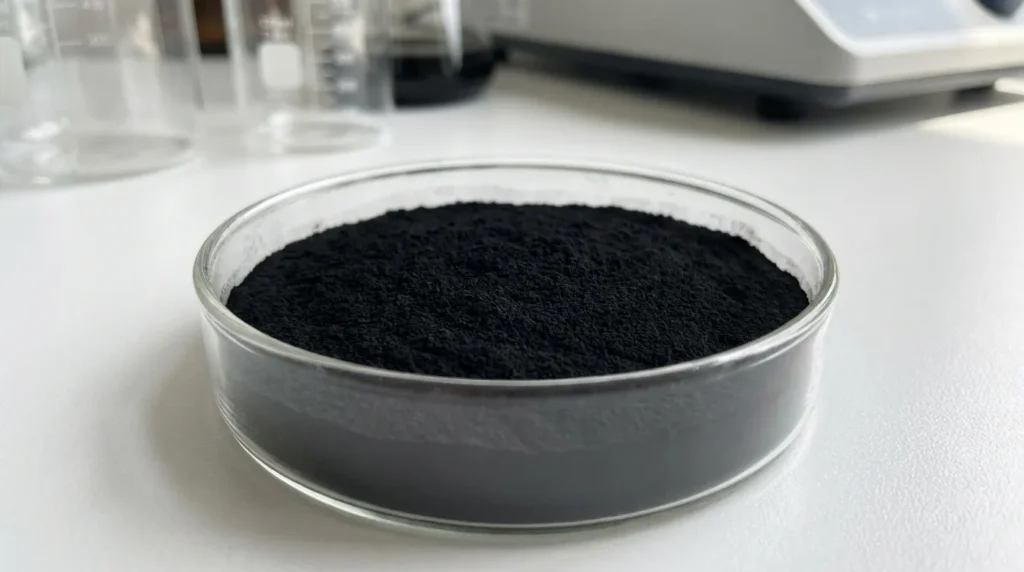
Wood-based powdered activated carbon is made from wood through high-temperature carbonization and chemical activation processes. Its characteristics include:
- Strong Adsorption Capacity: The well-developed mesoporous and macroporous structures provide more pathways for adsorbing large molecule pigments and organic impurities.
- Fast Adsorption Rate: The powdered structure offers a larger contact area, enabling rapid adsorption of pigment molecules in liquids.
- Good Dispersibility: The powdered form disperses easily in liquids, ensuring full contact with the liquid for higher adsorption efficiency.
- Wide Application Range: It is widely used for decolorization and impurity removal in sugar products, fruit juices, and food additives, especially for removing large molecule pigments or caramelized substances.
- Usage Method: It needs to be mixed with the liquid and stirred, followed by filtration to separate the activated carbon.
Note: Due to its small particle size, wood-based powdered activated carbon can be challenging to filter and typically requires efficient filtration equipment.
Contact me todayCoconut-Shell Granular Activated Carbon
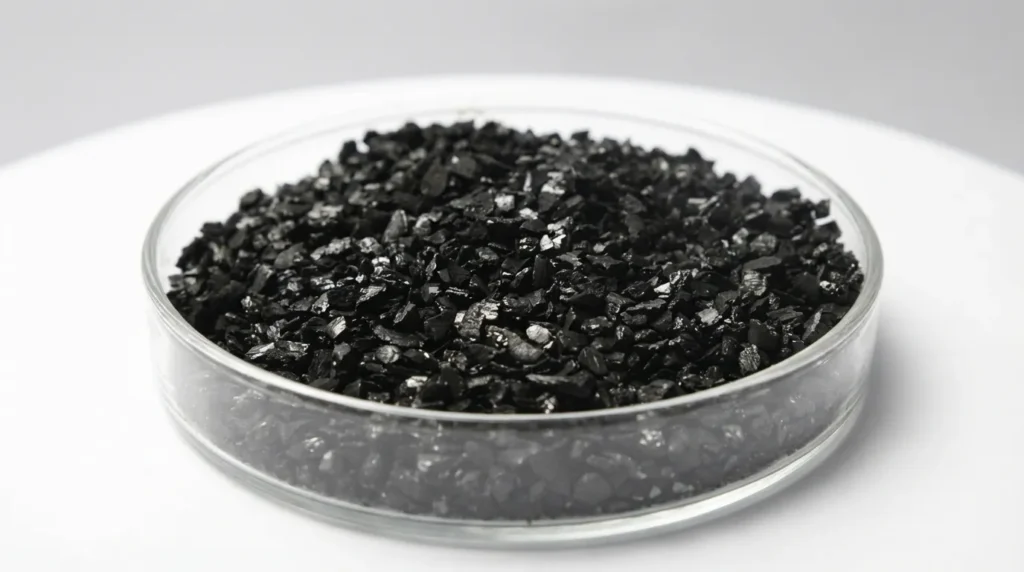
Coconut-shell granular activated carbon is made from coconut shells through physical activation processes. Its characteristics include:
- High Hardness and Durability: Coconut-shell granular activated carbon has high hardness and a long service life, making it suitable for repeated use.
- Microporous Structure: The microporous structure of coconut-shell activated carbon is ideal for adsorbing small molecule organic substances, such as odor molecules and certain pigments.
- Applications: It is commonly used for refining alcoholic beverages (e.g., spirits, beer, wine) and removing odors or pigments in beverages.
- Usage Method: It can be used in fixed-bed or column adsorption processes, offering easy operation and filtration.
Note: Coconut-shell granular activated carbon is suitable for continuous production processes but is relatively less effective for adsorbing large molecule substances.
Contact me todayHow to Choose the Right Activated Carbon?
Choosing the appropriate activated carbon is critical in food and beverage processing. Consider the following key factors:
- Food-Grade Certification: Ensure the activated carbon complies with food safety certifications to meet the high standards of the food industry.
- Pore Size Distribution: Select activated carbon with the appropriate pore size distribution based on the molecular size of the target pigment or impurity. For example, microporous activated carbon is suitable for small molecule pigments, while mesoporous carbon is better for large molecule impurities.
- Particle Form: Powdered activated carbon is ideal for efficient decolorization but requires advanced filtration equipment; granular activated carbon is suitable for continuous production and easier filtration.
- Process Compatibility: Choose specific types of activated carbon that are resistant to acid, alkali, or high temperatures, depending on the production process conditions (e.g., temperature, pH, liquid properties).
Conclusion
Activated carbon plays an indispensable role in decolorizing, purifying, and deodorizing in the food and beverage industry. We offer premium activated carbon products specially designed for decolorization.
Contact us today to obtain high-quality activated carbon products and enhance your product quality and market competitiveness.