
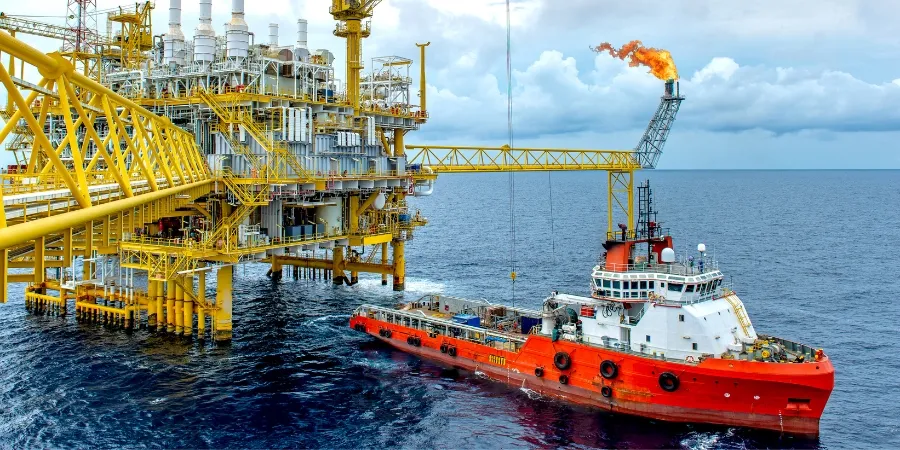
In the oil and gas industry, activated carbon is indispensable in processes ranging from crude oil extraction and natural gas purification to refining and exhaust gas treatment.
This article will provide a detailed overview of the applications of activated carbon in the oil and gas industry, as well as the criteria for selecting it.
Why the Oil and Gas Industry Needs Activated Carbon
Oil and natural gas contain a complex mixture of hydrocarbons alongside numerous impurities. These include:
- Hydrogen sulfide (H₂S) — a highly toxic and corrosive gas found in sour gas and crude oil
- Mercaptans (thiols) — sulfur-containing organics responsible for the characteristic odor of natural gas
- Mercury — a trace contaminant in natural gas that damages aluminum heat exchangers and catalysts
- BTEX compounds (benzene, toluene, ethylbenzene, xylene) — carcinogenic aromatic hydrocarbons in refinery off-gases
- VOCs — emitted during storage, loading, and transfer operations
- CO₂ and H₂O — present in raw natural gas streams requiring purification
Left untreated, these contaminants cause pipeline corrosion, catalyst poisoning, equipment failure, environmental violations, and serious health and safety risks. Activated carbon addresses many of these issues with high efficiency, often without the need for expensive wet chemical systems.
Contact me todayKey Applications of Activated Carbon in Oil and Gas
In the oil and gas industry, activated carbon is widely used in a number of key treatment processes due to its excellent adsorption properties and stable chemical characteristics.
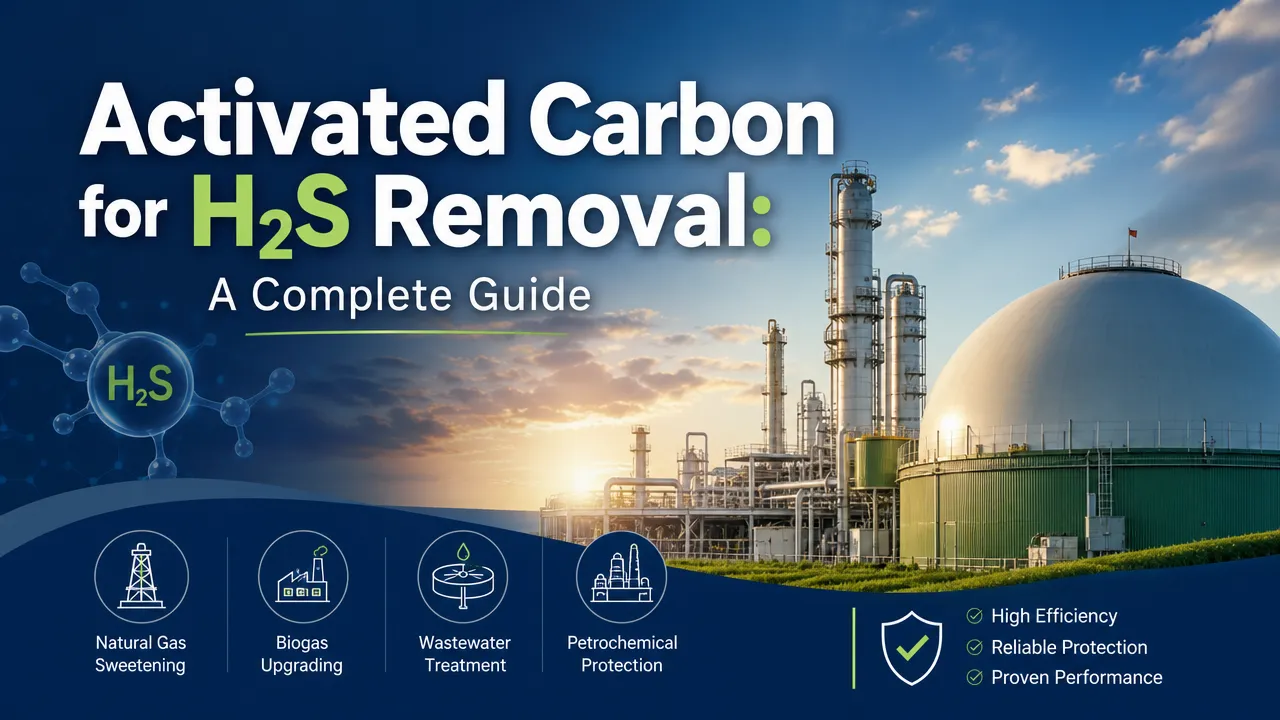
Natural Gas Desulfurization
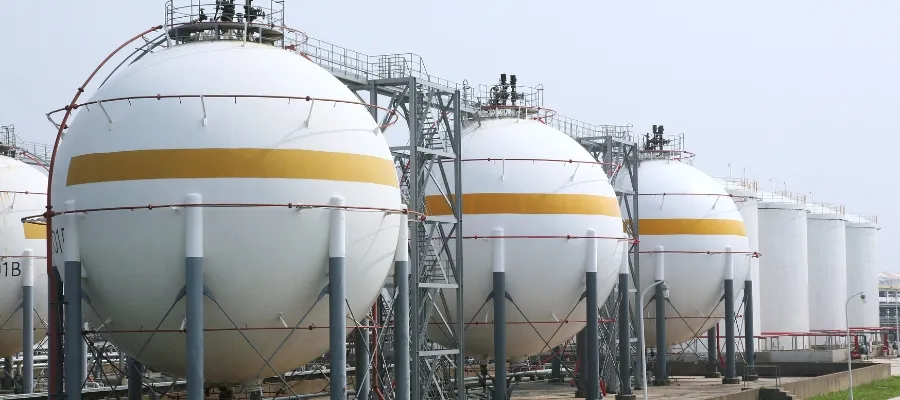
Hydrogen sulfide (H₂S) is one of the most common and hazardous impurities found in natural gas. It is characterized by:
- Strong corrosiveness
- High toxicity
- Unpleasant odor
- Potential to cause equipment damage and safety risks
Activated carbon can effectively remove hydrogen sulfide through physical adsorption and chemical reactions.
Advantages:
- High desulfurization efficiency
- Stable operational performance
- Suitable for low to medium H₂S concentrations
- Low equipment maintenance cost
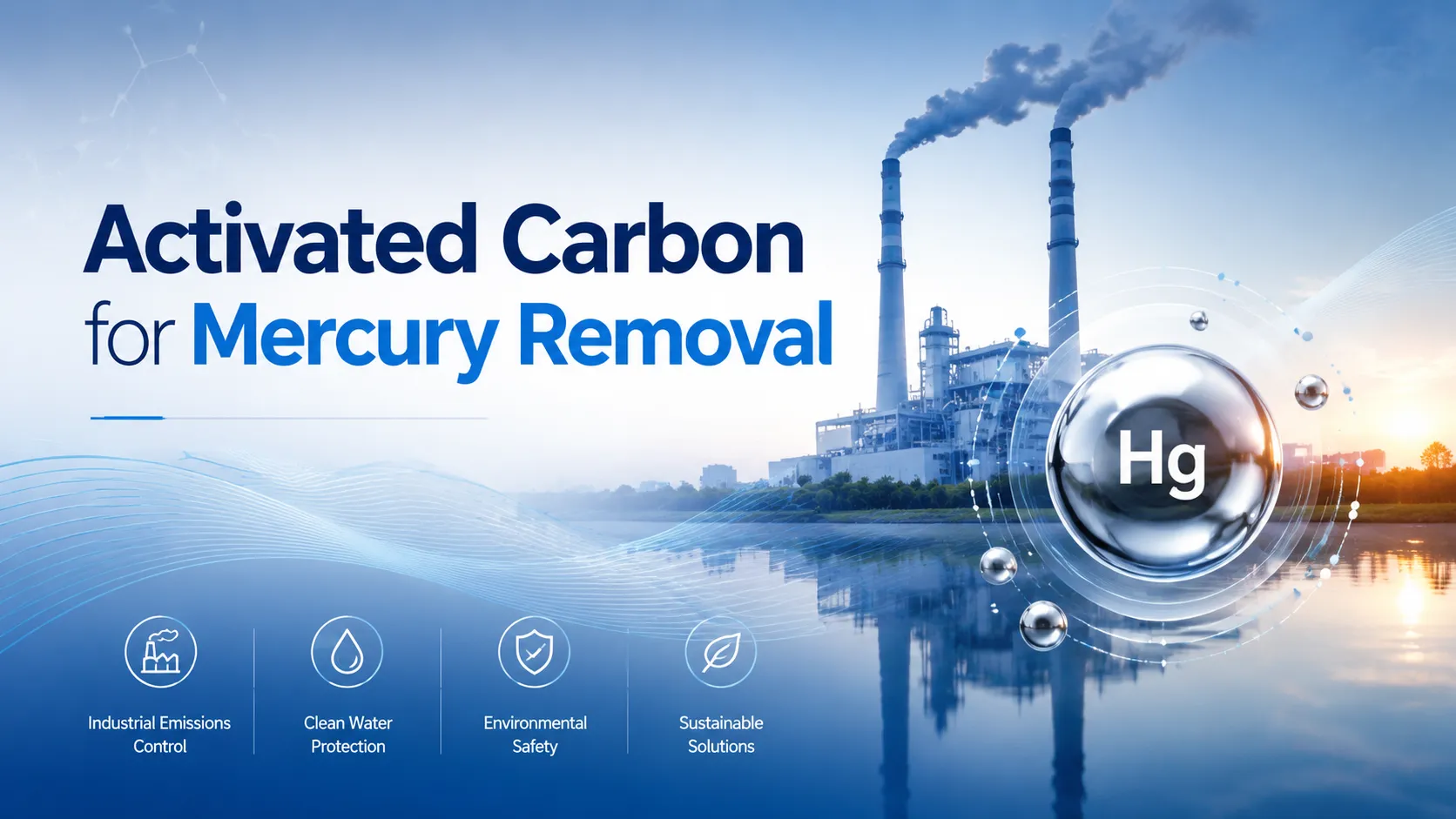
Natural Gas Mercury Removal
Trace amounts of mercury in natural gas can cause severe corrosion to LNG equipment, aluminum heat exchangers, and catalytic systems, making mercury removal a critical step in gas processing.
The sulfur on the surface of activated carbon reacts with mercury according to the following reaction:
Hg + S → HgS
This forms stable mercury sulfide (HgS), which is securely trapped within the carbon’s pore structure.
Advantages:
- High mercury removal efficiency
- Large adsorption capacity
- Especially suitable for LNG and natural gas purification systems
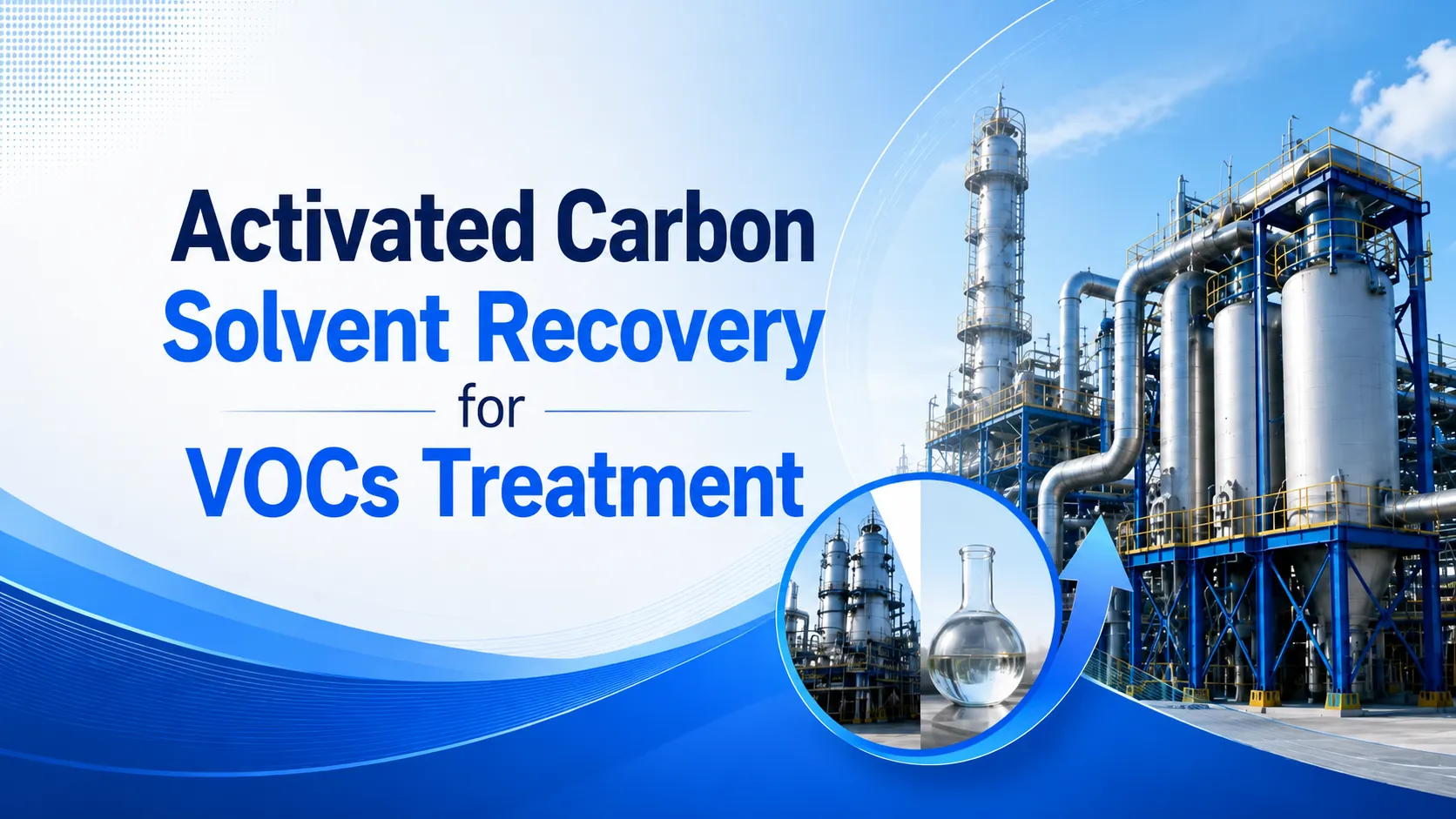
VOC Recovery and Off-Gas Purification
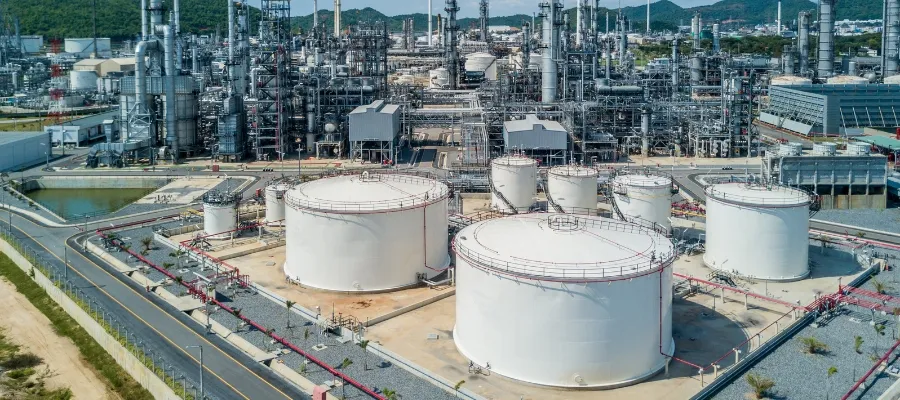
Refineries, oil storage tanks, and natural gas processing plants emit large amounts of:
- Benzene
- Toluene
- Xylene
- Hydrocarbon vapors
These volatile organic compounds (VOCs) not only contribute to air pollution but also result in valuable product losses.
Activated carbon is widely used for:
- VOC adsorption and recovery
- Vapor recovery units (VRU)
- Industrial exhaust gas purification systems
Decolorization and Purification in Refining Processes
In the production of lubricating oils, paraffin wax, and certain petrochemical products, it is often necessary to remove:
- Pigments
- Colloidal substances
- Odorous compounds
- Organic impurities
Application Benefits:
- Improves product clarity and transparency
- Enhances odor quality
- Increases product market value
Petrochemical Wastewater Treatment
Refineries and oil & gas processing plants generate industrial wastewater containing:
- Chemical Oxygen Demand (COD)
- Oils and grease
- Phenolic compounds
- Organic solvents
Activated carbon offers significant advantages in wastewater treatment:
- Removes refractory organic pollutants
- Improves wastewater color and odor
- Helps meet environmental discharge standards
Activated Carbon Selection Criteria for Oil and Gas
When making your selection, we recommend paying particular attention to the following parameters:
| Parameter | Importance |
|---|---|
| BET Surface Area | Determines overall adsorption capacity |
| Iodine Number | Measures micropore adsorption performance |
| CTC Adsorption Rate | Reflects gas-phase adsorption capacity |
| Hardness | Reduces attrition loss and fines generation |
| Ash Content | Affects purity and equipment cleanliness |
| Impregnant Type | Determines targeted removal capability |
| Particle Size | Influences pressure drop and contact efficiency |
Types of Activated Carbon Used in the Oil and Gas Industry
In the oil and gas industry, different processes require different performance characteristics of activated carbon. Therefore, suitable types are selected based on specific application scenarios.
Coal-Based Extruded (Pellet) Activated Carbon
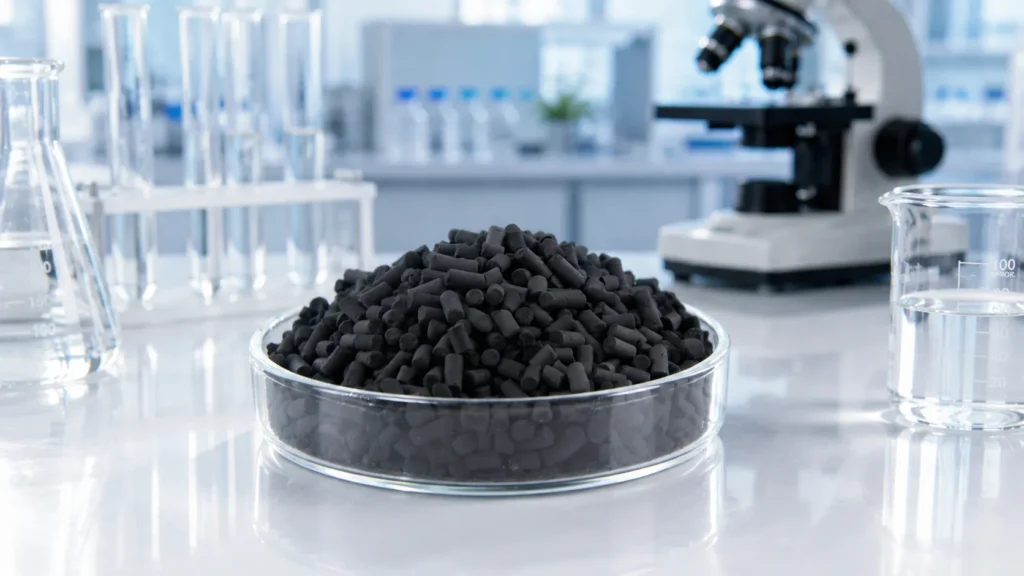
Coal-based extruded activated carbon is typically made from high-quality anthracite coal through processes such as crushing, molding, carbonization, and activation. It features high mechanical strength and a stable pore structure.
Characteristics:
- High hardness and resistance to breakage and attrition
- Low pressure drop, suitable for dynamic gas-phase systems
- Balanced pore structure with micro- and mesopores
- Stable performance for long-term operation
Main applications:
- VOCs treatment and recovery
- Natural gas purification
- Refinery off-gas treatment
- Gas-phase organic contaminant adsorption
Due to its excellent durability and stability, coal-based pellet activated carbon is particularly suitable for large-scale continuous industrial systems.
Contact me todayCoconut Shell Granular Activated Carbon
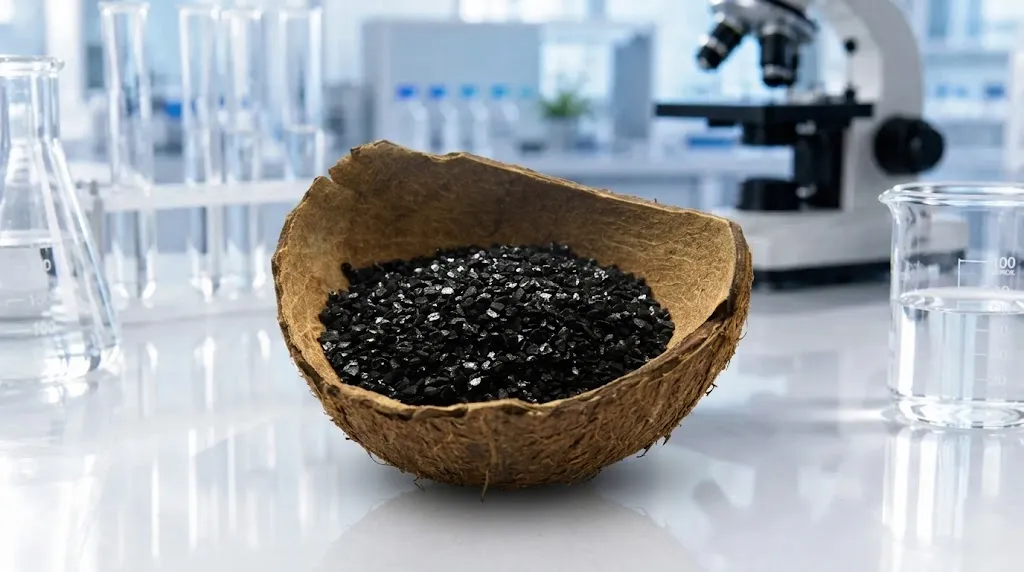
Coconut shell granular activated carbon is produced from natural coconut shells and activated at high temperatures, resulting in a highly developed microporous structure.
Characteristics:
- Large specific surface area with abundant micropores
- Strong adsorption capacity, especially for small molecules
- High hardness and excellent wear resistance
- Low ash content and high purity
Main applications:
- Natural gas desulfurization (H₂S removal)
- LNG gas purification
- Auxiliary gas-phase purification in gold recovery systems
- High-end gas refining processes
Thanks to its excellent microporous structure, coconut shell activated carbon performs exceptionally well in removing low-concentration contaminants.
Contact me todayPowdered Activated Carbon
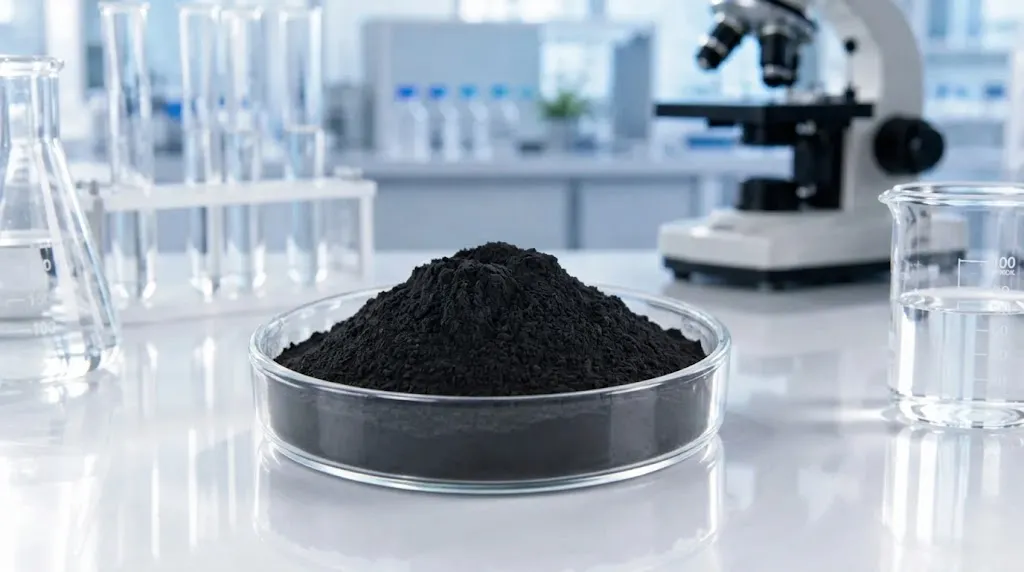
Powdered activated carbon has very fine particle size and is mainly used in liquid-phase systems, offering fast adsorption kinetics and strong contaminant removal capability.
Characteristics:
- High effective surface area utilization
- Fast adsorption rate and short reaction time
- Easily dispersible in liquid systems
- Flexible usage with one-time dosing
Main applications:
- Oil decolorization in refining processes
- Petrochemical wastewater treatment
- Removal of phenols, gums, and organic impurities
- Emergency pollution treatment
PAC is especially suitable for intermittent or liquid-phase treatment scenarios where rapid purification is required.
Contact me todayImpregnated Activated Carbon
Impregnated activated carbon is produced by loading specific chemical agents (such as alkali, sulfur, iodine, or metal salts) onto standard activated carbon to enhance its selective adsorption properties.
Characteristics:
- Strong chemisorption capability
- High selectivity for specific contaminants
- Increased adsorption capacity
- Suitable for hazardous gas treatment
Main applications:
- Hydrogen sulfide (H₂S) removal (alkali-impregnated carbon)
- Mercury (Hg) removal (sulfur-impregnated carbon)
- Specialized industrial gas purification
- High-standard natural gas treatment systems
Impregnated activated carbon is considered a functional material in the oil and gas industry, typically used for highly challenging purification tasks.
Contact me todayConclusion
Activated carbon is a highly effective adsorbent material that performs exceptionally well in the oil and gas sector. As a specialist supplier of activated carbon, Tingyuan Carbon specialises in developing high-performance activated carbon tailored to the oil and gas industry.
Please feel free to contact us for expert advice and free samples.