
The oil and gas industry is one of the world’s most important energy sectors, with extremely high requirements for gas purification, solvent recovery, environmental compliance, and equipment protection. From natural gas processing plants and refineries to offshore drilling platforms, activated carbon is widely used to remove harmful contaminants, protect critical equipment, recover valuable hydrocarbons, and help companies meet increasingly stringent environmental regulations.
In this article, we’ll explore the major applications of activated carbon in the oil and gas industry, the most commonly used types of activated carbon, and how to choose the right product for your specific process.
Why Is Activated Carbon Used in the Oil and Gas Industry?
During the extraction, transportation, and processing of oil and natural gas, various contaminants are present. These impurities can reduce product quality, corrode equipment, poison catalysts, and even cause environmental pollution if not properly removed.
Common contaminants include:
- Hydrogen sulfide (H₂S)
- Mercury (Hg)
- Volatile Organic Compounds (VOCs)
- Heavy hydrocarbons
- Sulfur compounds
- Organic solvents
- Odorous gases
- Oil vapors
With a specific surface area ranging from 800 to 1,300 m²/g and a highly developed pore structure, activated carbon efficiently adsorbs a wide range of contaminants, making it an indispensable purification material for the oil and gas industry.
Key Benefits of Activated Carbon
- High adsorption capacity
- Excellent mechanical strength
- Good thermal resistance
- Long service life
- Regenerable for certain applications
- Low operating costs
- Suitable for both gas-phase and liquid-phase purification
Major Applications of Activated Carbon in the Oil and Gas Industry
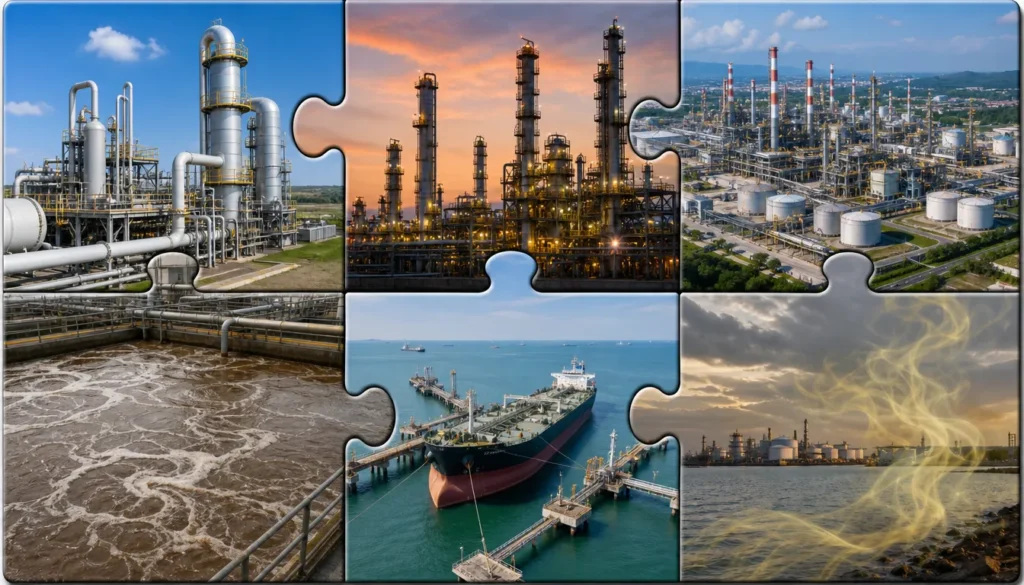
Thanks to its outstanding adsorption performance, activated carbon is widely used throughout the oil and gas industry.
Natural Gas Purification
Natural gas often contains various impurities that can reduce combustion efficiency and corrode downstream equipment if not removed.
Activated carbon effectively removes:
- Hydrogen sulfide (H₂S)
- Organic sulfur compounds
- Heavy hydrocarbons
- Siloxanes
- BTEX (Benzene, Toluene, Ethylbenzene, and Xylene)
- Trace organic contaminants
Benefits include:
- Protecting compressors and pipelines
- Preventing equipment corrosion
- Improving natural gas quality
- Extending catalyst service life
- Reducing maintenance costs
For applications involving high concentrations of hydrogen sulfide, impregnated activated carbon is commonly used to achieve superior desulfurization performance.
Mercury Removal
Many natural gas reservoirs contain trace amounts of mercury. Although mercury concentrations are typically low, it can:
- Corrode aluminum heat exchangers in LNG facilities
- Damage liquefied natural gas equipment
- Poison catalysts
- Cause environmental contamination
For this reason, LNG plants typically incorporate dedicated mercury removal units.
Sulfur-impregnated activated carbon chemically reacts with mercury to form stable compounds, enabling highly efficient mercury removal.
Advantages include:
- High mercury adsorption capacity
- Stable mercury fixation
- Safe operation
- Long service life
- Widely used in LNG plants
VOC Emission Control
Refineries and petrochemical plants generate significant amounts of volatile organic compounds (VOCs), including:
- Benzene
- Toluene
- Xylene
- n-Hexane
- Various organic solvent vapors
Activated carbon adsorption systems efficiently capture these pollutants before they are released into the atmosphere.
Benefits include:
- Compliance with environmental regulations
- Reduced air pollution
- Improved workplace safety
- Recovery of valuable solvents
- Lower operating costs
Solvent Recovery
Various organic solvents are widely used during petroleum refining and petrochemical manufacturing.
Activated carbon adsorbs solvent vapors, and once saturated, the carbon can be regenerated using steam or inert gas desorption, allowing the solvents to be recovered and reused.
Benefits include:
- High solvent recovery efficiency
- Reduced raw material costs
- Lower VOC emissions
- Excellent return on investment
- Environmentally sustainable operation
Refinery Wastewater Treatment
Refinery wastewater commonly contains:
- Petroleum hydrocarbons
- Phenols
- Organic contaminants
- Polycyclic Aromatic Hydrocarbons (PAHs)
- High COD
- Color
- Odors
Activated carbon is typically used as a polishing treatment following biological processes.
Benefits include:
- Removal of dissolved organic compounds
- Improved water clarity
- Odor elimination
- COD reduction
- Compliance with discharge standards
Protection of Gas Dehydration Systems
Natural gas dehydration systems, such as molecular sieve dehydration and glycol dehydration units, require clean feed gas.
Activated carbon is commonly installed as a pre-filtration medium to remove:
- Compressor lubricating oil
- Heavy hydrocarbons
- Oil mist
- Organic contaminants
This helps protect downstream dehydration equipment, improve operational efficiency, and extend equipment life.
Odor Control
Storage tank farms, petroleum terminals, and refinery wastewater treatment facilities often generate unpleasant odors.
Activated carbon effectively adsorbs:
- Hydrogen sulfide
- Mercaptans
- VOCs
- Ammonia
- Organic sulfur compounds
As a result, it helps:
- Improve the working environment
- Reduce odor complaints
- Enhance environmental performance
Common Types of Activated Carbon Used in the Oil and Gas Industry
Different applications require different activated carbon properties, making proper product selection essential.
Coal-Based Pellet Activated Carbon
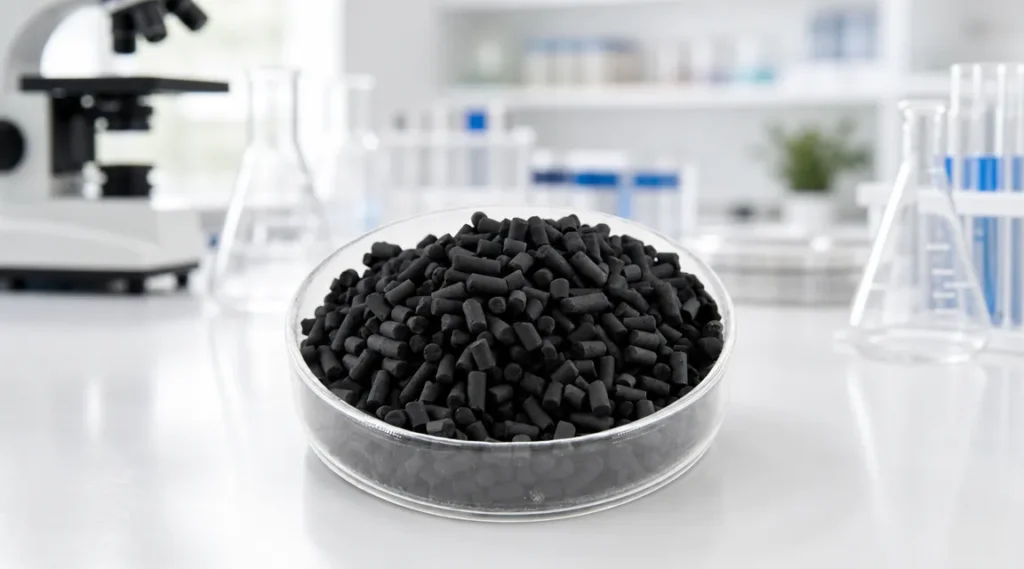
Coal-based pellet activated carbon is one of the most widely used materials for gas-phase adsorption in the oil and gas industry.
Features:
- High mechanical strength
- Low pressure drop
- Excellent abrasion resistance
- Suitable for continuous gas flow systems
- Long service life
Typical applications:
- VOC control
- Solvent recovery
- Air purification
- Natural gas processing
- Refinery off-gas treatment
Coconut Shell Granular Activated Carbon
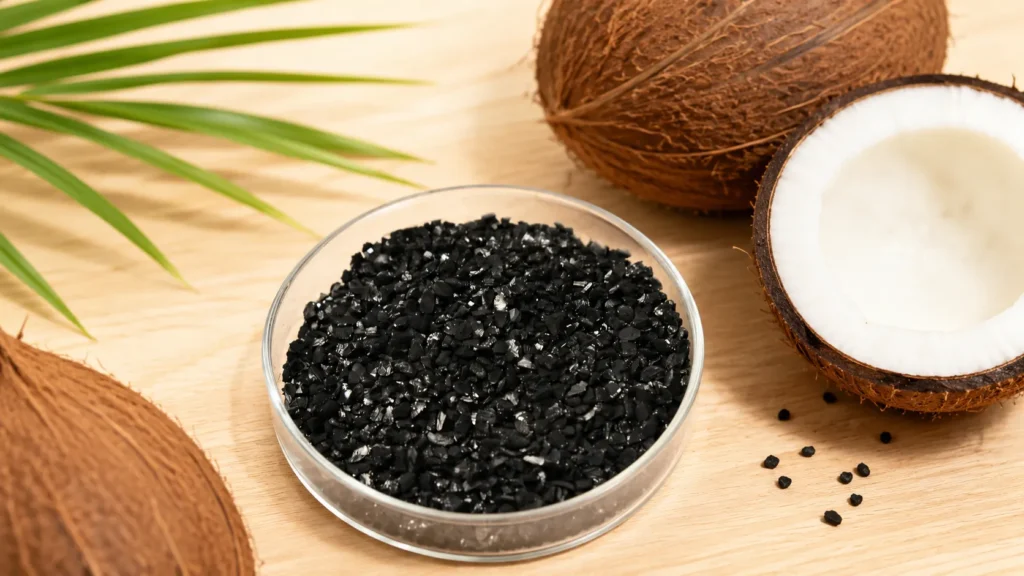
Manufactured from premium coconut shells, this activated carbon features an abundant microporous structure and high purity.
Features:
- High hardness
- Low ash content
- Excellent adsorption of small molecules
- High purity
- Long service life
Typical applications:
- Natural gas purification
- Water treatment
- Hydrocarbon removal
- Trace contaminant adsorption
Impregnated Activated Carbon
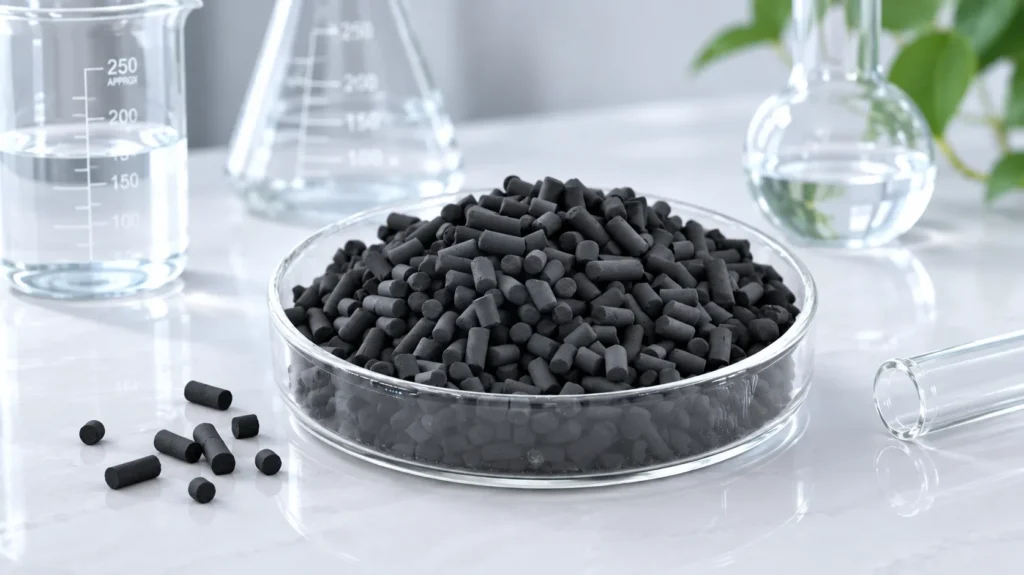
Impregnated activated carbon is produced by loading conventional activated carbon with specialized chemicals such as:
- Potassium iodide (KI)
- Potassium hydroxide (KOH)
- Sodium hydroxide (NaOH)
- Sulfur
- Copper oxide (CuO)
These chemicals chemically react with target contaminants, significantly improving removal efficiency.
Typical applications:
- Mercury removal
- Hydrogen sulfide removal
- Acid gas purification
- Toxic gas treatment
- LNG natural gas processing
How to Choose the Right Activated Carbon
When selecting activated carbon for oil and gas applications, consider the following factors:
| Selection Factor | Importance |
|---|---|
| Contaminant Type | Determines the carbon material and whether chemical impregnation is required |
| Gas Composition | Affects adsorption efficiency and service life |
| Temperature | Higher temperatures generally reduce adsorption capacity |
| Humidity | Moisture occupies pore space and decreases adsorption performance |
| Operating Pressure | Influences overall adsorption efficiency |
| Carbon Hardness | Critical for fixed-bed systems |
| Particle Size | Affects pressure drop and contact time |
| Surface Area | Higher surface area generally provides greater adsorption capacity |
Working with an experienced activated carbon supplier ensures the most suitable product is selected for your operating conditions, helping improve system efficiency while reducing long-term operating costs.
Why Choose Our Activated Carbon?
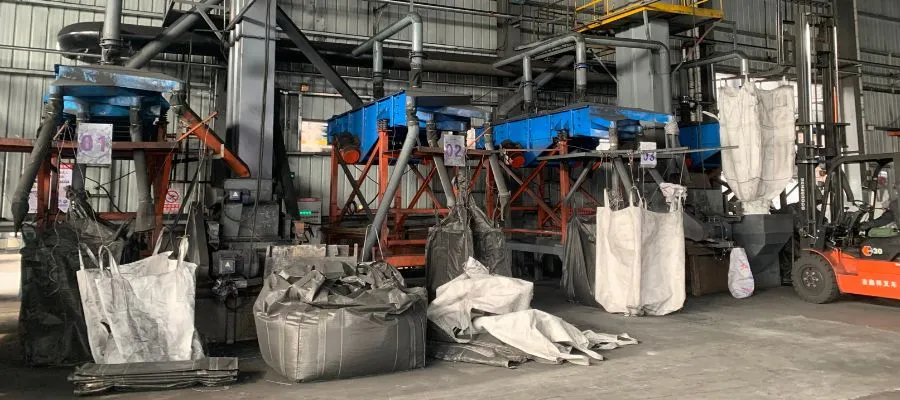
As a professional activated carbon manufacturer, we supply high-performance activated carbon solutions for the global oil and gas industry.
Our advantages include:
- Premium coal, coconut shell, and wood-based raw materials
- Customized impregnated activated carbon solutions
- Excellent adsorption performance with consistent quality
- Strict quality control system
- OEM and customized specifications available
- Fast global logistics and reliable delivery
- Professional technical support and product selection assistance
Whether you need activated carbon for natural gas purification, mercury removal, VOC control, or solvent recovery, we can provide reliable products and tailored solutions for your application.
Contact me todayConclusion
Activated carbon has become an essential purification material in the oil and gas industry. It plays a critical role in natural gas purification, mercury removal, VOC control, solvent recovery, refinery wastewater treatment, and odor control.
If you’re looking for a professional and reliable activated carbon supplier for the oil and gas industry, contact us today. Our experts will recommend the most suitable activated carbon products and provide customized technical solutions based on your specific operating conditions.
Frequently Asked Questions
Can activated carbon remove hydrogen sulfide from natural gas?
Yes. Impregnated activated carbon combines physical adsorption with chemical reactions to efficiently remove hydrogen sulfide (H₂S) from natural gas.
Which type of activated carbon is recommended for VOC control?
Coal-based pellet activated carbon is the preferred choice for gas-phase VOC adsorption due to its high mechanical strength, low pressure drop, excellent abrasion resistance, and superior adsorption performance.
How often should activated carbon be replaced?
Replacement frequency depends on contaminant concentration, gas flow rate, operating conditions, and the amount of activated carbon installed. It is recommended to monitor outlet contaminant concentrations regularly and replace the carbon once breakthrough occurs.
Can activated carbon remove mercury?
Yes. Sulfur-impregnated activated carbon is specifically designed for mercury removal from natural gas and is widely used in LNG plants and natural gas processing facilities.
Is activated carbon suitable for refinery wastewater treatment?
Yes. Granular activated carbon is widely used as a polishing treatment for refinery wastewater, effectively removing organic contaminants, reducing COD, improving water quality, and eliminating odors.