
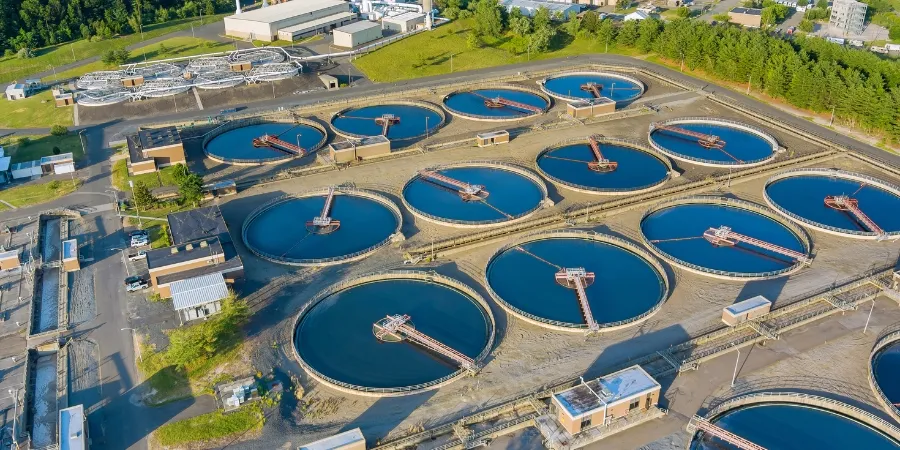
In the water treatment industry, activated carbon is an important adsorbent material that can effectively remove organic compounds, odors, color, residual chlorine, and certain heavy metals from water, thereby improving water quality and safety.
However, activated carbon products on the market vary in raw materials, forms, and performance indicators. Choosing the wrong type may reduce treatment efficiency and increase operating costs. Therefore, selecting the right activated carbon is essential.
This article will explain in detail how to choose the most suitable activated carbon for water treatment applications.
Selecting Activated Carbon Based on Raw Materials
Activated carbon produced from different raw materials has different pore structures, adsorption performance, and application areas.
Coconut Shell Activated Carbon
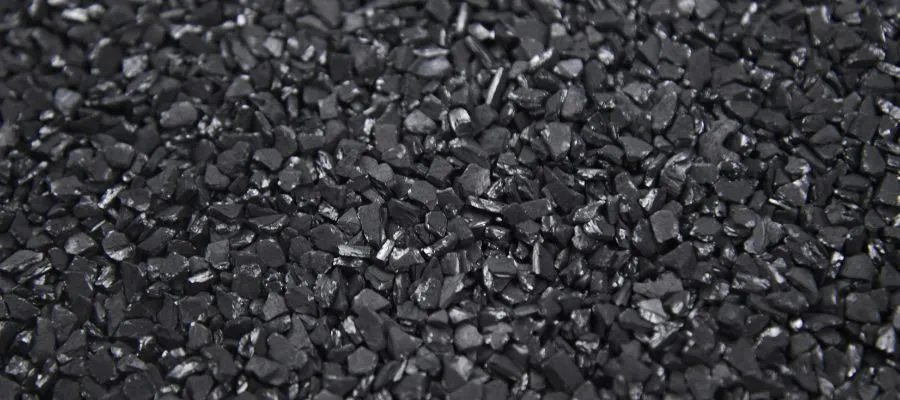
Coconut shell activated carbon is one of the most commonly used high-quality activated carbons in water treatment. It is produced from natural coconut shells through a high-temperature activation process and features well-developed micropores, large surface area, and strong adsorption capacity.
Main Features
- Rich microporous structure
- Strong adsorption capacity for organic contaminants
- High mechanical strength and long service life
- Suitable for drinking water treatment
Typical Applications
- Drinking water purification
- Purified water and mineral water production
- Household water purifiers
- Aquarium filtration
Coal-Based Activated Carbon
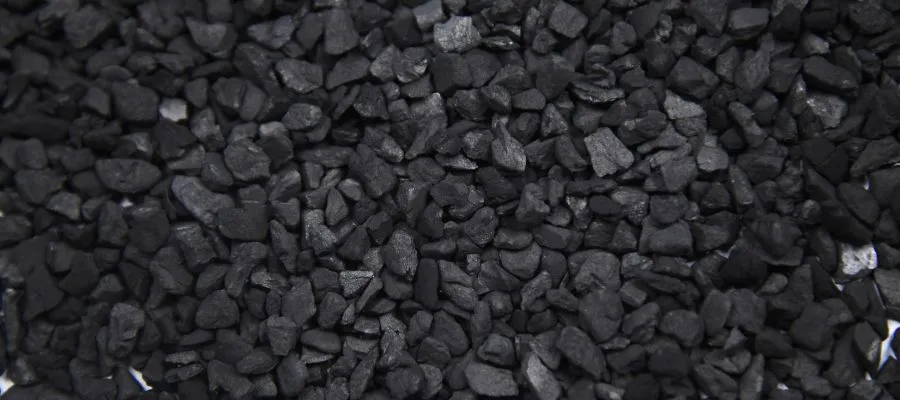
Coal-based activated carbon is usually produced from anthracite or bituminous coal. It has a diverse pore size distribution, high mechanical strength, and relatively low production cost.
Main Features
- Wide pore size distribution
- High strength
- Cost-effective
- Suitable for large-scale industrial applications
Typical Applications
- Industrial wastewater treatment
- Municipal wastewater treatment
- Circulating water systems
Wood-Based Activated Carbon
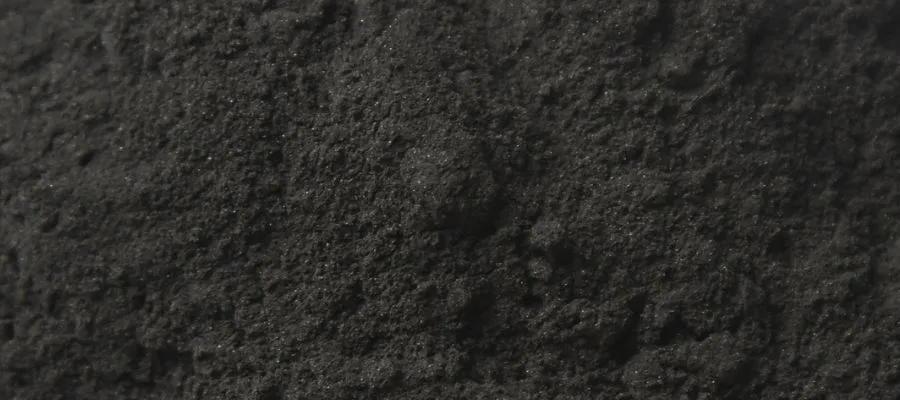
Wood-based activated carbon is commonly used in powdered activated carbon (PAC) products. It mainly contains mesopores and provides excellent decolorization performance.
Typical Applications
- Wastewater decolorization
- Food and beverage purification
- Chemical solution purification
Selecting Activated Carbon Based on Product Form
In the water treatment industry, activated carbon is mainly divided into granular activated carbon and powdered activated carbon.
Granular Activated Carbon
Granular activated carbon is widely used in filtration systems and fixed-bed adsorption equipment.
Features
- Larger particle size
- Low filtration resistance
- Easy regeneration and replacement
- Suitable for continuous operation
Typical Applications
- Municipal water plants
- Water purification equipment
- Water treatment filtration tanks
Powdered Activated Carbon
Powdered activated carbon has very fine particles and is usually directly dosed into water for adsorption.
Features
- Fast adsorption rate
- Large surface area
- Flexible operation
Typical Applications
- Emergency wastewater treatment
- High-color wastewater decolorization
- Industrial water treatment
Key Technical Parameters to Consider
When selecting activated carbon for water treatment, several important technical parameters should be evaluated.
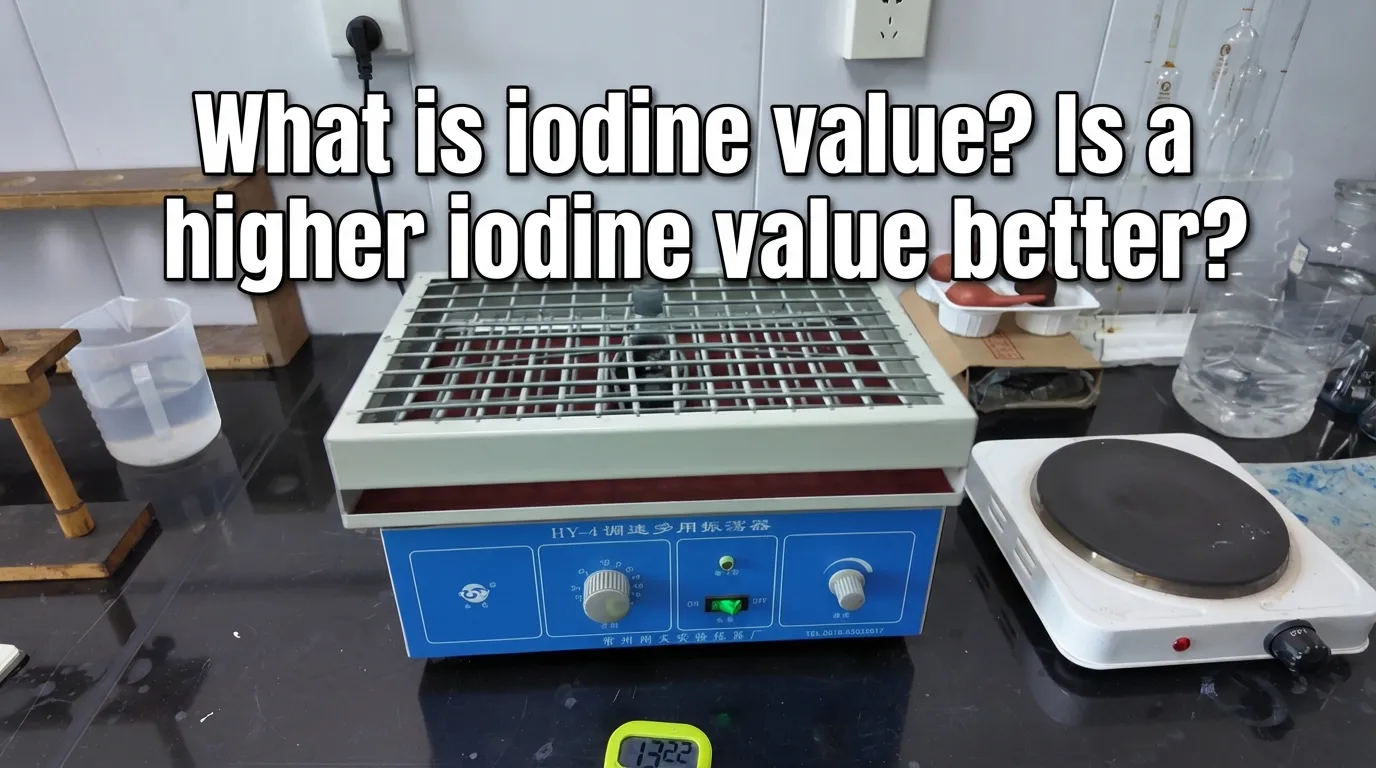
Iodine Number
The iodine number is an important indicator of the micropore adsorption capacity of activated carbon. A higher iodine value generally indicates stronger adsorption ability for small organic molecules.
Typically, the iodine value for water treatment activated carbon ranges from 800–1200 mg/g.
Surface Area
The larger the specific surface area, the more adsorption sites are available, which improves the adsorption efficiency.
Hardness
Hardness reflects the mechanical strength of activated carbon. For filtration systems, high-hardness carbon can reduce breakage and dust formation, thereby extending service life.
Ash Content
Lower ash content generally indicates higher purity of activated carbon. Excessive ash may affect adsorption performance.
Selecting Activated Carbon Based on Application Scenarios
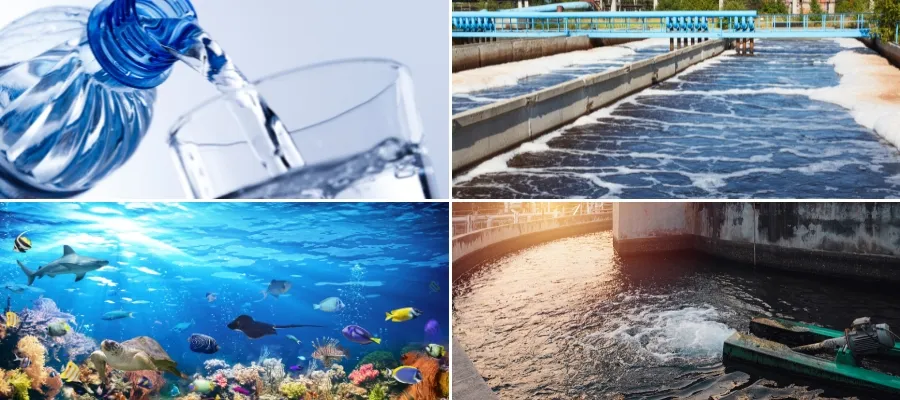
Different water treatment applications require different types of activated carbon.
| Application | Recommended Activated Carbon |
|---|---|
| Drinking water treatment | Coconut shell granular activated carbon |
| Industrial wastewater treatment | Coal-based granular activated carbon |
| Wastewater decolorization | Wood-based powdered activated carbon |
| Aquarium filtration | Coconut shell granular activated carbon |
| Emergency water treatment | Powdered activated carbon |
TingyuanCarbon provides customized solutions and can recommend suitable activated carbon products based on your specific water treatment requirements.
Choosing a Reliable Activated Carbon Supplier
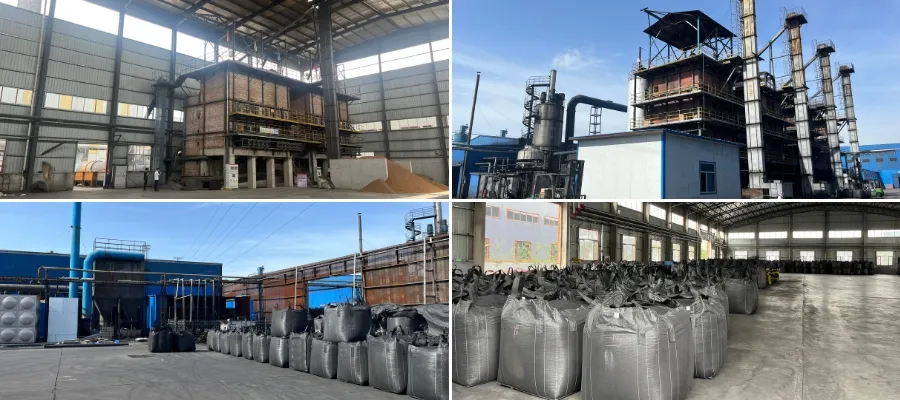
In addition to product performance, the quality control and manufacturing capability of the supplier are also crucial. Stable raw material sources, advanced production technology, and strict quality inspection systems ensure consistent adsorption performance.
High-quality activated carbon products usually have the following characteristics:
- Stable raw materials
- Well-developed pore structure
- Strong adsorption capacity
- Consistent product performance
Conclusion
Activated carbon plays a vital role in the water treatment industry. Choosing the right activated carbon requires considering raw material type, product form, technical parameters, and specific application scenarios.
Please reach out to us today to find the best activated carbon solution for your water treatment applications.